Paramount’s $110 Billion Warner Bros. Deal Faces a Clock It Can't Beat

Image: Bbc
Main Takeaway
Paramount Skydance agreed to delay its Warner Bros. Discovery acquisition until June 2027 amid a 12-state antitrust lawsuit, but its razor-thin $96 million free cash flow makes surviving the wait a financial cliffhanger.
Jump to Key PointsSummary
How the deal got to this point
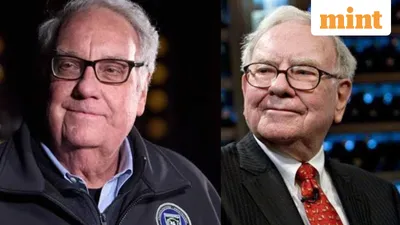
David Ellison’s Paramount Skydance fought through eight rejections, a hostile tender offer, and a Delaware lawsuit before signing a $110 billion agreement to acquire Warner Bros. Discovery. The deal, which became public earlier this year, stunned the entertainment industry not only for its size but for what it represents: the consolidation of two storied Hollywood studios into a single, next-generation media giant. According to Fortune, Netflix had also pursued WBD but declined to escalate a bidding war, clearing the path for Paramount.
The BBC reports that Netflix’s retreat came after Paramount significantly upped its bid, leaving the Ellison-controlled company as the sole suitor. Paramount’s own press materials frame the merger as a way to combine world-class storytelling with technology expertise, creating a company capable of competing in a rapidly evolving streaming landscape. The deal values WBD at roughly $30 per share in an all-cash offer that David Ellison personally championed in a letter to shareholders, arguing his bid was superior to any alternative.
Why the Justice Department waved it through
In a move that surprised many antitrust observers, the Department of Justice under the Trump administration closed its investigation into the merger in June 2026 without filing a challenge. The DOJ’s antitrust division issued a formal statement confirming it had completed its analysis and would not block the transaction. The Guardian notes this approval came despite concerns about consolidation in the media industry, particularly given that the combined company would become the largest theatrical distributor in the country.
Paramount’s legal team leaned on an unconventional First Amendment theory to help cross the finish line, according to The Hollywood Reporter. The argument positioned the merger as a free speech issue, suggesting that blocking the deal would harm the marketplace of ideas. This constitutional framing added an unusual layer to what is otherwise a standard antitrust review. The federal green light, however, didn't end the regulatory scrutiny. The deal remains under investigation by UK authorities, who launched their own probe into the merger’s competitive implications.
(https://www.theguardian.com/us-news/2026/jun/13/paramount-warner-bros-discovery-merger-justice-department-approval)
The state attorneys general blockade
Twelve state attorneys general filed a lawsuit to block the merger, and this coalition is now the primary obstacle standing between Paramount and its prize. CNBC reports that Paramount agreed to delay the closing of the deal until as late as June 2027 to give the companies more time to defend the transaction in court. The New York Times adds that a judge has already temporarily paused the deal while the legal challenge proceeds.
Fortune’s analysis paints a grim picture of the timeline. The states want a trial date in 2027, and the delay gives almost everything that could go wrong time to go wrong. The legal process itself is a slow grind, and even if Paramount wins on the merits, the calendar becomes an enemy. Every month that passes costs the company money it doesn’t have, and the merger agreement contains a ticking fee that Paramount can barely afford to pay.
Paramount’s precarious financial position
The numbers behind Paramount’s war chest are alarming. Fortune reports that Paramount Skydance has just $96 million in free cash flow, a staggeringly small cushion for a company trying to close a $110 billion acquisition. The financial structure of the deal includes a ticking fee that increases the longer the closing is delayed, and Paramount’s ability to fund both the fee and its ongoing operations is under serious strain.
This isn’t just a liquidity problem. It’s a clock problem. The delay to June 2027 means Paramount must keep its own business running while simultaneously defending a multi-state lawsuit and preparing for an integration that may never happen. The company’s leadership framed the delay as a significant win, according to CNBC, but that characterization looks increasingly like spin when measured against the cash burn. Hollywood has seen this movie before, as Fortune notes, citing Vince Lombardi’s famous line: “We didn’t lose the game; we just ran out of time.”
(https://fortune.com/2026/08/04/paramount-warner-bros-discovery-deal-legal-financial-cliff-ellison/)
What happens if the deal collapses
If Paramount can’t close the deal before its financial runway expires, the consequences ripple in multiple directions. Warner Bros. Discovery, which has struggled under billions of dollars in debt according to TechCrunch, would lose its exit strategy and remain an independent company with no obvious buyer. Netflix, which backed away from a bidding war earlier in the process, could theoretically re-enter the picture, though the BBC reports it declined to match Paramount’s escalated offer.
The broader industry would also feel the shock. The merger was positioned as a counterweight to Netflix’s dominance in streaming, and its failure would leave the legacy media landscape fragmented at a moment when scale is increasingly necessary. The games industry, which Gamesindustry.biz tracks closely, would also see the fallout, given Warner Bros.’ substantial gaming assets that were part of the acquisition calculus.
(https://techcrunch.com/2026/07/21/warner-bros-discovery-sale-paramount/)
The broader media consolidation story
This deal sits inside a larger trend of media consolidation that has reshaped Hollywood over the past decade. Warner Bros. Discovery itself was created through a 2022 merger, and the company’s history stretches back through Time Warner and AOL Time Warner, as Britannica documents. The Paramount-WBD merger would create a combined entity with unparalleled theatrical distribution power and a streaming portfolio that includes HBO, CNN, and the Paramount catalog.
The deal’s fate matters beyond the two companies involved. It represents a test case for whether the current antitrust environment, despite the DOJ’s approval, will permit the kind of horizontal consolidation that reduces the number of major studios. The state attorneys general are effectively acting as a backstop to federal inaction, and their lawsuit could set a precedent for how future media mergers are challenged at the state level.
(https://www.britannica.com/money/warner-bros-discovery)
Key Points
Paramount Skydance agreed to delay its $110 billion Warner Bros. Discovery acquisition until June 2027 amid a 12-state antitrust lawsuit.
The Department of Justice approved the merger, but state attorneys general filed suit, creating a dual-track regulatory battle.
Paramount has just $96 million in free cash flow, making the ticking fee and prolonged legal defense financially unsustainable.
Netflix declined to match Paramount's escalated bid, leaving the Ellison-controlled company as the sole suitor for Warner Bros.
Paramount's legal team used a First Amendment free speech argument to help secure federal antitrust clearance.
Questions Answered
Paramount agreed to delay the closing until June 2027 to give the companies more time to defend the transaction against an antitrust lawsuit filed by 12 state attorneys general. The delay was framed as a strategic win, but it creates a financial time bomb for Paramount.
Paramount Skydance has just $96 million in free cash flow, according to Fortune, which is dangerously low for a company trying to close a $110 billion acquisition while paying a ticking fee that grows with each delay.
Yes, the Department of Justice under the Trump administration closed its antitrust investigation in June 2026 and did not file a motion to block the merger. The approval came after Paramount's legal team used a First Amendment theory to argue the deal should proceed.
The merger agreement includes a fee that increases the longer the closing is delayed beyond the original target date. This fee is a financial burden for Paramount, which has limited cash reserves and must fund both the fee and its ongoing operations while defending the lawsuit.
If Paramount runs out of time or money before the deal closes, Warner Bros. Discovery would lose its path out of heavy debt and remain an independent company with no obvious buyer. Netflix, which backed out of the bidding war, could potentially re-enter the picture, but no alternative offer is currently on the table.
Source Reliability
79% of sources are highly trusted · Avg reliability: 83
Go deeper with Organic Intel
Simple AI systems for your life, work, and business. Each one includes copyable prompts, guides, and downloadable resources.
Explore Systems