Oil Surpasses $100 as Iran Conflict Drives Record Diesel Prices and Fresh Inflation Fears
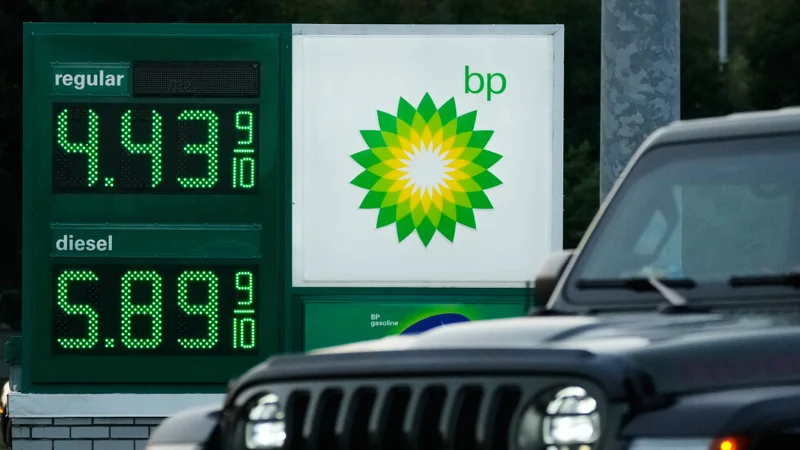
Image: Apnews
Main Takeaway
Brent crude climbed above $100 and U.S. diesel reached a record $5.85 per gallon as Iran-related attacks disrupted fuel markets and raised transportation costs.
Jump to Key PointsSummary
Oil crosses a critical threshold
Brent crude rose above $100 a barrel as fighting involving the United States and Iran intensified, marking the benchmark’s first move past that level since July. Brent later settled near $99.71, while U.S. benchmark crude gained 2.4% to $95.25. Attacks on oil facilities and ships added pressure to supply routes already weakened by months of disruption.
The price move reflects both immediate security concerns and a tighter physical market. Reports describe U.S. strikes on Iranian tankers in the Persian Gulf and Iranian attacks on U.S. bases in Jordan, while analysts warn that a prolonged conflict could threaten shipping through the Strait of Hormuz. The route is central to global energy trade, making each new military escalation a market event.
Diesel costs reach consumers
U.S. diesel prices reached a record national average of $5.85 per gallon, raising costs across trucking, delivery, agriculture, construction and industrial production. Diesel demand is closely tied to freight networks, so increases flow beyond the pump into the prices of food, manufactured goods and household deliveries.
Gasoline prices also set records around the Labor Day weekend, adding pressure to household budgets as the conflict enters a politically sensitive period before November’s midterm elections. The combination of expensive crude, restricted supply and higher refining and distribution costs has pushed fuel inflation into a broader transportation problem.
California pumps hit their ceiling
California has recorded the sharpest retail warning sign: a small number of stations displayed diesel at $9.999 per gallon, the maximum value supported by their pump systems. GasBuddy data identified 6 stations at that ceiling, while the state average reached $7.91 per gallon.
The stations were reported in parts of the Bay Area and elsewhere in California, where regular gasoline also exceeded $6 per gallon in several counties. A pump display reaching its numerical limit doesn't mean every driver is paying $10, but it illustrates how quickly wholesale and retail fuel prices have separated from recent norms.
Inflation risks spread through freight
Fuel costs threaten to reverse progress on inflation because diesel sits underneath the movement of goods. Trucking companies, shipping operators, farmers and delivery services face higher operating expenses, and those costs can appear later in freight rates and retail prices. Analysts cited by Fortune warned of pockets of shortages and renewed price spikes if supply disruptions deepen.
The shock is arriving through several channels at once. Military activity threatens tankers and infrastructure, refiners face limits in some regions, and global inventories are being drawn against a supply system described as increasingly strained. Higher diesel prices also squeeze businesses that can't immediately pass costs to customers, creating pressure on margins as well as consumers.
Strait of Hormuz remains the flashpoint
The Strait of Hormuz is the central risk to the energy market because any sustained disruption would affect one of the world’s most important oil shipping corridors. President Donald Trump has repeatedly said the United States controls the strait, but prices have continued rising as traders respond to attacks and uncertainty around commercial shipping.
The market response will depend on whether hostilities expand, whether tankers can keep moving, and how quickly producers and refiners replace interrupted supplies. A short military episode could ease prices if traffic resumes. Continued attacks would keep crude, diesel and freight costs elevated while increasing the chance of shortages in exposed regions.
What happens next for drivers and businesses
Drivers and businesses face continued volatility rather than a single price event. Crude above $100 raises the cost base for refiners, while record diesel prices put immediate strain on freight operators and commercial fleets. California’s extreme pump prices show how regional supply and distribution constraints can magnify a global shock.
The next indicators are crude futures, U.S. diesel averages, tanker traffic through Hormuz and evidence of fuel shortages at regional stations. A de-escalation could pull risk premiums out of oil prices, but the transportation effects will take longer to unwind because contracts, inventories and retail prices adjust at different speeds.
Key Points
Brent crude surpassed $100 as escalating United States-Iran attacks threatened oil infrastructure and tanker routes.
U.S. diesel reached a record $5.85 per gallon, lifting costs for freight, deliveries, farming and manufacturing.
California diesel prices reached $9.999 at 6 stations, exceeding the maximum value shown by some pumps.
Strait of Hormuz disruption remains the central risk to global oil supply and transportation costs.
Record fuel prices threaten renewed inflation by raising the cost of moving goods across the economy.
Questions Answered
Brent crude rose above $100 because escalating United States-Iran attacks threatened tankers, oil facilities and shipping through the Strait of Hormuz. Traders added a geopolitical risk premium to prices as concerns about supply disruption increased.
U.S. diesel prices reached a record national average of $5.85 per gallon. The increase affects trucking, delivery, agriculture, construction and other industries that depend on diesel-powered equipment and transportation.
Yes, 6 California stations displayed diesel at $9.999 per gallon, according to GasBuddy data. The figure is the maximum value supported by some pump displays, while the statewide average was reported at $7.91 per gallon.
Record diesel prices raise transportation costs for goods moved by truck, ship and delivery networks. Businesses may pass those expenses to consumers through higher prices for food, manufactured products and deliveries.
Oil prices will depend heavily on tanker traffic, attacks on energy infrastructure and conditions in the Strait of Hormuz. De-escalation could reduce the market’s risk premium, while prolonged disruption would keep crude and diesel prices elevated.
Source Reliability
75% of sources are trusted · Avg reliability: 73
Go deeper with Organic Intel
Simple AI systems for your life, work, and business. Each one includes copyable prompts, guides, and downloadable resources.
Explore Systems