Diary Drama at Musk v. OpenAI: Brockman Reads Private Journals to Jury
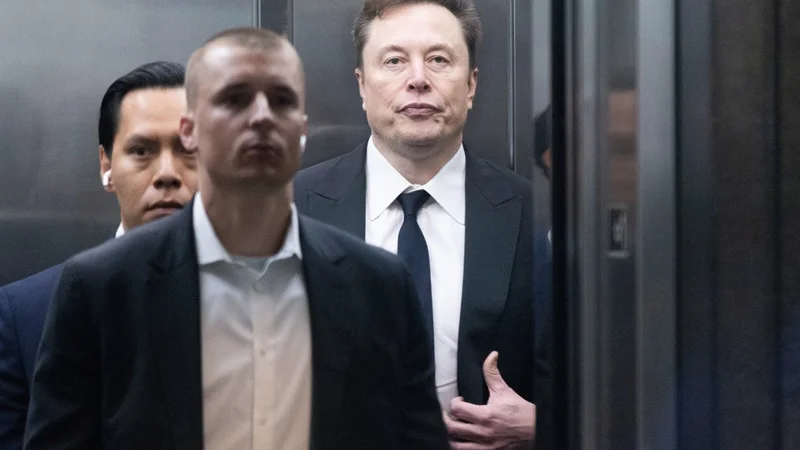
Image: MIT Technology Review AI
Main Takeaway
Brockman was compelled to read diary entries aloud as Musk’s lawyers argued they show the exact moment OpenAI ditched its nonprofit mission.
Jump to Key PointsSummary
The texts that changed the trial
Two days before Elon Musk’s blockbuster lawsuit against OpenAI was set to begin, the Tesla CEO texted OpenAI president Greg Brockman proposing a settlement. According to court filings reviewed by CNBC and Bloomberg, Musk reached out on April 26 to "gauge interest" in resolving the case before jury selection started. Brockman responded by suggesting both sides drop their claims entirely, a move that triggered an explosive reaction from Musk. The exchange quickly turned hostile. TechCrunch reports that after Brockman’s counter-offer, Musk allegedly replied: "By the end of this week, you and Sam will be the most hated men in America. If you insist, so be it." OpenAI’s legal team characterized this as attempted coercion in their Sunday evening filing, arguing Musk was trying to pressure them into settlement through intimidation.
Brockman takes the stand and drops a $30 billion bombshell
Greg Brockman appeared in Oakland federal court on Monday and, under oath, disclosed he’s one of the largest individual stakeholders in the $157 billion AI lab. Pressed by Musk’s attorneys about his financial interest, Brockman defended the position as the product of "blood, sweat, and tears" since co-founding the company in 2015. The Verge notes he dodged follow-up questions about the exact size of his holdings, but market cap math puts the value north of $30 billion. This revelation lands at the heart of Musk’s central complaint: that OpenAI’s shift to a for-profit structure enriched insiders while betraying its original nonprofit charter. Jurors now know that the same executive fielding Musk’s angry texts stands to gain personally from any valuation bump. Brockman’s private messages with Musk, already entered as exhibits, carry fresh weight when paired with the disclosure of his massive equity stake.
Diary on the witness stand
On Tuesday the courtroom took an even stranger turn. Musk’s legal team introduced a thick, leather-bound notebook identified as Brockman’s personal diary from 2019-2020 and asked the OpenAI president to read selected passages aloud. Ars Technica reports the entries span the period when OpenAI was transitioning from a capped-profit to a for-profit entity. One passage, read haltingly by Brockman, describes a late-night meeting with Sam Altman and then-chief scientist Ilya Sutskever in which the trio allegedly debated whether to "drop the nonprofit charade." Another excerpt mentions drafting a memo titled "Moving Fast and Making Money" that was later circulated among senior staff. Musk’s lawyers argue these journals capture the precise inflection point when OpenAI abandoned its founding mission of ensuring AGI benefits all of humanity. Brockman, visibly uncomfortable, confirmed his handwriting on each page but insisted the notes were private brainstorming, not policy. The jury leaned forward as he recited lines that included, "We can’t keep pretending we’re saints."
What the diaries add to Musk’s case
By forcing Brockman to read his own words, Musk’s team threaded the $30 billion stake and the hostile texts into a single narrative of betrayal. The diaries provide contemporaneous evidence that, at the very moment Brockman’s equity was ballooning, he was privately acknowledging a drift from the nonprofit charter. Legal observers say the theatrical tactic could sway jurors who might otherwise view the texts as heat-of-the-moment bluster. OpenAI’s counsel objected repeatedly, calling the diary excerpts "cherry-picked" and lacking context, but the judge overruled each objection, allowing the dramatic testimony to continue.
Key Points
Musk’s lawyers compelled Brockman to read his own 2019-2020 diary entries aloud.
The passages describe internal debates over dropping the nonprofit mission.
Brockman confirmed authorship but called the notes private brainstorming.
The diary evidence ties his $30 billion stake to alleged mission drift.
OpenAI’s objections were overruled; jury heard every excerpt.
Questions Answered
They describe a late-night meeting where Brockman, Altman, and Sutskever debated abandoning the nonprofit structure and mention a memo titled "Moving Fast and Making Money."
They argue it shows the exact moment OpenAI pivoted from its founding mission while insiders like Brockman gained massive equity stakes.
He confirmed he wrote them but insisted they were private, incomplete thoughts—not formal policy decisions.
Reporters observed jurors leaning forward and taking notes during the reading, suggesting heightened engagement.
Source Reliability
53% of sources are highly trusted · Avg reliability: 75
Go deeper with Organic Intel
Simple AI systems for your life, work, and business. Each one includes copyable prompts, guides, and downloadable resources.
Explore Systems