Microsoft Unveils Project Solara, an Android-Based OS for AI Agent Devices
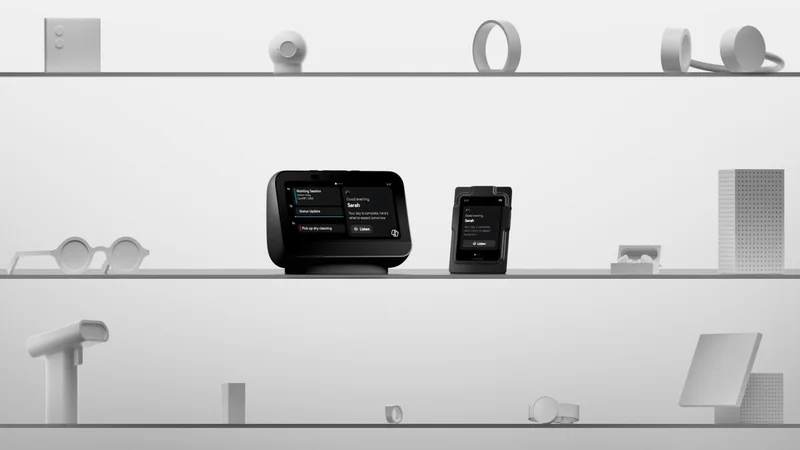
Image: Bloomberg AI
Main Takeaway
Microsoft announced Project Solara, a new Android-based OS for AI agent gadgets, at Build 2026.
Jump to Key PointsSummary
What Project Solara is and why it matters
Microsoft unveiled Project Solara at Build 2026, calling it a new operating system built from the ground up for AI agent-driven experiences. The platform runs on Android rather than Windows, signaling a strategic pivot toward ambient, agent-first computing. According to Microsoft's Command Line blog, the mission centers on pioneering experiences shaped around user agents, tasks, and environments. The company envisions a diverse ecosystem of specialized devices that accelerate agent creation without traditional hardware tradeoffs.
The announcement arrives as Microsoft races to establish early dominance in the emerging agentic computing market. By decoupling from Windows, the company sidesteps legacy constraints while maintaining cloud integration through Windows 365. This approach mirrors how Android and iOS captured mobile from desktop incumbents, but now targets a post-app paradigm where agents replace applications as the primary interaction model.
The two concept devices Microsoft showed off
Microsoft demonstrated two hardware concepts at Build. The Desk Concept resembles an Amazon Echo Show, featuring a touchscreen, microphones, camera, and facial recognition unlock. Built on MediaTek IoT chips, it functions as a secondary monitor or standalone Windows PC via cloud computing, keeping users informed of agent activities while they work.
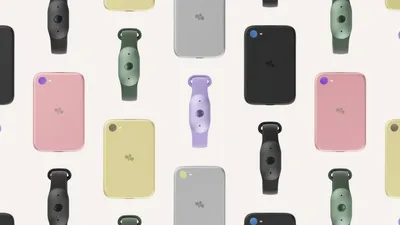
The Badge Concept presents a more unconventional vision: a wearable work badge with 5G, camera, microphones, and a fingerprint scanner powered by Qualcomm chips. Users tap to authenticate biometrically and issue voice commands to their personal agent. Microsoft demonstrated instant conversation transcription and camera-based visual assistance, where the agent sees what the user sees. Neither device is functional yet, according to Ars Technica, though Microsoft has committed funding as part of its broader AI expansion.
How this fits into Microsoft's AI strategy
Project Solara extends Microsoft's Copilot and Azure AI investments into dedicated hardware form factors. Bloomberg reports the tools are designed specifically to move AI agents off laptop screens and into mobile business devices. This represents Microsoft's attempt to own the next computing paradigm after missing the mobile app revolution to Apple and Google.
The enterprise focus is deliberate. Both concept devices target workplace scenarios: desk productivity and secure building access. Microsoft is betting that businesses will adopt agent-first hardware before consumers commit, using existing infrastructure like Windows 365 and Azure Active Directory. The Android foundation enables faster partner adoption, though it also means ceding some platform control to Google's ecosystem.
What remains unproven about the vision
Microsoft has been explicit that these are concepts, not products. The hardware does not currently function, and no release dates or pricing have been announced. This places Project Solara firmly in the experimental category, akin to earlier Microsoft concept projects that never shipped commercially.
The agent-first premise also faces substantial technical and market challenges. Current AI agents remain unreliable for complex workflows, and dedicated hardware requires compelling use cases beyond what smartphones already offer. Microsoft's Applied Sciences Group, which leads the project, specializes in exploratory computing rather than commercial product development. Success depends on whether agent capabilities improve fast enough to justify specialized devices.
What happens next for agent-first hardware
Microsoft's announcement pressures competitors to articulate their own agent hardware strategies. Google and Apple already embed AI assistants in phones and speakers, but neither has committed to a dedicated agent OS. Startups like Rabbit and Humane attempted similar concepts with mixed results, suggesting the market remains wide open.
For developers, Project Solara represents a potential new platform, though Microsoft's Build 2026 messaging emphasized Windows continuity alongside the new initiative. The company stated it remains committed to making Windows more adaptable for agent-driven workflows. Whether Solara evolves into a standalone commercial product or influences future Windows features depends on concept testing and partner interest. Microsoft has invited the industry to navigate the transformation together, indicating ecosystem development will precede any consumer launch.
Why the Android choice signals broader industry shifts
Microsoft's decision to build Solara on Android rather than Windows reflects deep strategic calculation. The move acknowledges that the app ecosystem battle is settled, and that agent computing requires fresh foundations unburdened by decades of legacy code. Android provides established hardware support, manufacturer relationships, and a kernel optimized for mobile and embedded devices.
This approach also positions Microsoft to partner across the industry rather than compete solely on its own hardware. The company can license Solara to device makers while integrating its cloud services as the value layer, similar to how Amazon extended Alexa beyond Echo devices. If successful, Microsoft could become the default agent infrastructure for enterprise hardware, even as Google and Apple dominate consumer devices. The risk is that Android's openness could fragment the experience, or that Google might limit Microsoft's access as competition intensifies.
Key Points
Microsoft's Project Solara is a new Android-based OS built specifically for AI agent-driven devices and experiences.
Two concept devices were demonstrated: a Desk smart display and a wearable Badge with biometric security features.
The platform aims to move AI agents from laptop screens into dedicated mobile and ambient business hardware.
Microsoft explicitly states the concepts are not yet functional products and have no announced release timeline.
The Android foundation, rather than Windows, signals a strategic break from legacy Microsoft platforms.
Questions Answered
Project Solara is Microsoft's new Android-based operating system designed specifically for devices that run AI agents rather than traditional applications, announced at Build 2026.
No, Solara is built on Android, not Windows, which represents a significant strategic departure from Microsoft's traditional platform approach.
You cannot yet. Microsoft has stated these are non-functional concepts with no release dates, pricing, or commercialization timeline announced.
The concept envisions a wearable work badge with 5G, camera, microphones, and fingerprint scanner for biometrically authenticated agent access, voice commands, conversation transcription, and visual assistance.
The Desk Concept can function as a standalone Windows PC through Windows 365 cloud computing, and the platform integrates with Microsoft's broader Azure AI and Copilot ecosystem.
Microsoft is betting that businesses will adopt agent-first hardware first due to existing infrastructure, security requirements, and productivity use cases, with consumer applications to follow if successful.
Source Reliability
60% of sources are highly trusted · Avg reliability: 76
Go deeper with Organic Intel
Simple AI systems for your life, work, and business. Each one includes copyable prompts, guides, and downloadable resources.
Explore Systems