Meta Launches $299 Smart Glasses Under Own Brand, Ending Exclusive Ray-Ban Partnership
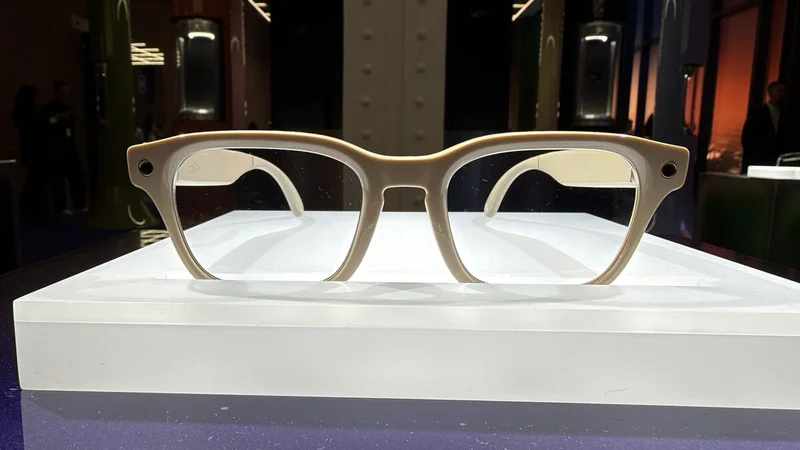
Image: Bloomberg AI
Main Takeaway
Meta debuted self-branded smart glasses at $299, cutting ties with Ray-Ban and adding a Kylie Jenner collaboration.
Jump to Key PointsSummary
Why Meta ditched the Ray-Ban badge
For three years, Meta and Ray-Ban were inseparable in smart glasses. That ended this week. Meta launched its own line simply called Meta Glasses, priced at $299, a notable drop from previous Ray-Ban Meta pricing that typically started higher. The Verge reports the new lineup comes in three styles and seven colors, signaling Meta no longer needs Ray-Ban's design credibility to sell the concept.
The Ray-Ban partnership had been strategically vital. EssilorLuxottica's iconic silhouettes gave Meta's earlier efforts cultural legitimacy that earlier smart glasses, with their sci-fi aesthetics, never achieved. But Meta has evidently decided its own brand now carries enough weight, or that lower prices matter more than luxury association. Bloomberg notes the company is even considering camera-free models for future releases, suggesting a broader product strategy that extends beyond the Ray-Ban playbook.
What the Kylie Jenner collaboration signals about Meta's target audience
One of the three Meta Glasses styles is a collaboration with reality TV star and entrepreneur Kylie Jenner. This isn't incidental branding. Meta is explicitly targeting a younger, fashion-conscious demographic that may never have strongly identified with Ray-Ban's heritage rock-and-roll aesthetic.
The Jenner partnership represents a calculated shift in cultural positioning. Ray-Ban conjures classic cool, Bruce Springsteen and Tom Cruise. Jenner speaks to TikTok-native consumers who value influencer authenticity over vintage authenticity. Meta's spokespeople repeatedly emphasized this collaboration to reporters, per The Verge, suggesting it is a centerpiece of the launch rather than a peripheral marketing tactic. This demographic targeting also aligns with Meta's broader platform struggles: younger users have been migrating from Facebook and Instagram to TikTok, and wearable tech that resonates with this group could help rebuild that connection.
How EssilorLuxottica loses its smart glasses monopoly
The end of Meta's exclusive Ray-Ban partnership has immediate implications for EssilorLuxottica, the luxury eyewear conglomerate that owns Ray-Ban, Oakley, and numerous licensed brands. CNBC recently reported that EssilorLuxottica credited Meta smart glasses with boosting its growth, making this separation particularly consequential.
EssilorLuxottica's entire smart glasses strategy was predicated on being Meta's exclusive hardware partner. That monopoly is now broken. While the companies may still collaborate on future products, Meta's willingness to go solo demonstrates that the technology giant no longer views dependent on a traditional eyewear partner for design legitimacy or manufacturing capacity. PCMag and CNET, both active in reviewing smart glasses, will now face a more fragmented market with competing ecosystems rather than a single dominant Meta-Ray-Ban platform. This could pressure EssilorLuxottica to accelerate its own smart technology investments or seek alternative tech partners.
What $299 means for smart glasses market penetration
Price has been the primary barrier to smart glasses adoption. At $299, Meta is aggressively undercutting its own previous positioning and most competitors. Bloomberg's reporting on the price point frames it as a deliberate market expansion play rather than a cost-cutting necessity.
This pricing puts Meta Glasses in the same ballpark as mid-tier wireless earbuds and premium fitness trackers, categories that have achieved mass-market penetration. The original Ray-Ban Meta glasses launched at $299-$379 depending on features, so this represents either price maintenance at the entry level or a strategic simplification of the product architecture. The camera-free models Meta is considering, per Bloomberg, could push prices even lower, potentially to the $199 threshold where impulse purchases become common. Meta's history with VR headsets shows a willingness to subsidize hardware to build ecosystem lock-in, and this pricing suggests similar thinking applied to wearables.
What happens next in the smart glasses wars
Meta's solo launch will likely trigger competitive responses from Google, Apple, and other players. CNET's smart glasses coverage has already positioned Google's anticipated entry as a key variable, and Meta's aggressive pricing may accelerate Google's timeline or force pricing adjustments.
The market is fragmenting just as it is maturing. Meta's AI Blog still promotes existing Ray-Ban Meta and Oakley Meta products, suggesting parallel product lines rather than immediate discontinuation. But the strategic emphasis has clearly shifted to Meta's own brand. For developers and accessory makers, this creates uncertainty: which platform to build for? For consumers, more choices and falling prices. For Meta investors, the question is whether the company can achieve the hardware margins or ecosystem effects to justify what are likely subsidized price points. The next 12 months will determine whether this is the beginning of mass-market smart glasses or another false start in a category that has disappointed before.
Key Points
Meta launched self-branded smart glasses at $299, ending its exclusive Ray-Ban partnership.
The new lineup includes three styles, seven colors, and a Kylie Jenner collaboration.
Meta is considering future camera-free models to reach even lower price points.
EssilorLuxottica loses its smart glasses monopoly as Meta goes independent.
The pricing strategy signals aggressive market expansion rather than premium positioning.
Questions Answered
Meta Glasses are priced at $299. This represents a strategic reduction from previous Ray-Ban Meta pricing and positions the product closer to mass-market wearable categories like premium wireless earbuds.
Meta no longer needs Ray-Ban's design credibility and cultural cachet to legitimize its smart glasses. After three years of partnership, Meta believes its own brand can carry the product, and dropping the Ray-Ban licensing allows for lower prices and different design directions.
Kylie Jenner collaborated on one of three Meta Glasses styles. This targets younger, social-media-native consumers rather than the classic rock-and-roll demographic associated with Ray-Ban.
Meta's AI Blog still promotes existing Ray-Ban Meta and Oakley Meta products, suggesting parallel lines may continue. However, the strategic emphasis has shifted to Meta's own brand for new launches.
EssilorLuxottica loses its exclusive smart glasses partnership with Meta, which had been credited with boosting the company's growth. This pressures the eyewear giant to develop its own smart technology or find alternative tech partners.
Source Reliability
67% of sources are highly trusted · Avg reliability: 84
Go deeper with Organic Intel
Simple AI systems for your life, work, and business. Each one includes copyable prompts, guides, and downloadable resources.
Explore Systems