Jobs Report Signals Cooling Labor Market as Hiring Slows Sharply in June
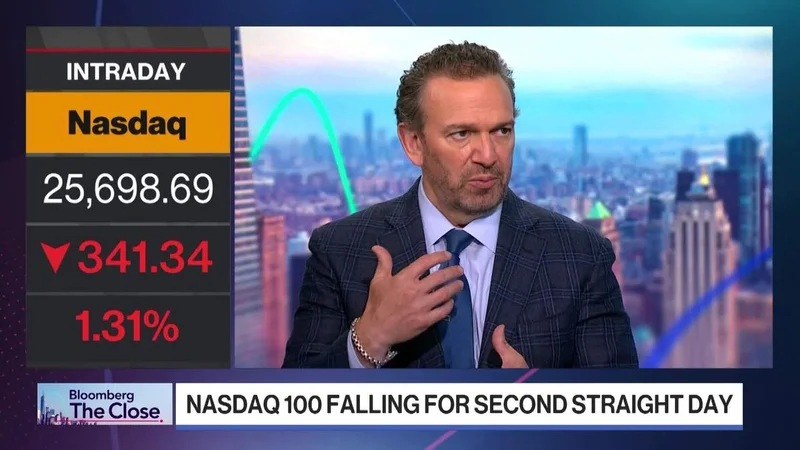
Image: Bloomberg AI
Main Takeaway
June jobs data shows US hiring slowed sharply, cooling the labor market and sparking debate over Federal Reserve rate cuts.
Jump to Key PointsSummary
What the June jobs report revealed
The June 2026 jobs report showed US hiring slowed sharply, signaling a cooling labor market that has caught Wall Street off guard. According to Bloomberg's "Open Interest" program, the data came in well below expectations and prompted immediate reassessment of economic momentum heading into the second half of the year. The Bureau of Labor Statistics published the official figures on July 2, 2026, though detailed breakdowns were not immediately available from the release.
CNBC reported that the jobs numbers doubled expectations, a phrase that suggests either a significant upside surprise in job losses or a dramatic revision that confounded analyst projections. The headline figure became a focal point for traders trying to gauge whether the labor market is merely normalizing after post-pandemic tightness or slipping into something more concerning. American Progress noted in a parallel analysis of May data that headline jobs numbers often mask underlying labor market slack, suggesting the official figures may understate weakness in participation and employment quality.
How markets reacted to the data
The dollar slid following the jobs data release, according to Reuters, as traders recalibrated expectations for Federal Reserve policy. Chipmakers weighed on stocks, indicating that technology sectors remain particularly sensitive to macroeconomic signals about consumer and business demand. The Nasdaq fought back during the session, with Meta's corporate developments drawing attention even as broader indices grappled with the implications of softer employment growth.
Jim Caron, CIO of the Portfolio Solutions Group at Morgan Stanley Investment Management, discussed the current state of the stock market in a Bloomberg interview. He noted growing market uncertainty as stocks retraced earlier gains following the report. Caron's commentary highlighted how quickly sentiment can shift when labor data diverges from consensus, particularly in an environment where investors had grown accustomed to resilience. U.S. Bank's analysis of the job market's effect on the economy underscores that employment trends ripple through credit markets, consumer spending, and business investment with a lag that policy makers must anticipate.
What this means for Federal Reserve policy
The sharp hiring slowdown intensifies debate about whether the Federal Reserve will cut interest rates in coming months. A cooling labor market traditionally removes one of the central bank's primary concerns about overheating, creating room for monetary easing if inflation continues to moderate. However, Fed officials have emphasized data-dependent decision making, and one month's report rarely drives policy shifts alone.
U.S. Bank's economic research suggests that labor market cooling can proceed for several quarters before triggering recessionary dynamics, but the speed of deterioration matters enormously. If June's softness is confirmed by July and August data, market pricing for rate cuts could accelerate dramatically. Conversely, a rebound in hiring would reinforce the "soft landing" narrative that has dominated financial discourse since late 2025. The current uncertainty stems partly from conflicting signals: job openings have declined from peak levels, but layoff rates remain historically low.
Why the headline number may mislead
Labor market headline figures often obscure important distributional shifts. American Progress has highlighted how aggregate job counts can mask underemployment, declining labor force participation among prime-age workers, and sector-specific weaknesses that don't register in the top-line statistic. June's report likely contains similar hidden patterns, particularly if hiring freezes rather than layoffs drove the slowdown.
The quality of jobs added or lost matters as much as the quantity for understanding household financial health. Sectors like hospitality and retail often show volatile month-to-month patterns, while manufacturing and professional services trends carry more signal about structural economic momentum. Without full BLS detail, analysts are working from summaries and early readouts that may miss these nuances. CNN's pre-report framing asked whether the labor market is "turning a corner," suggesting analysts were already primed to look for inflection points rather than continuation of established trends.
What happens next for investors and workers
Traders will focus intensely on the July jobs report to confirm or refute June's signal. Until then, volatility in rate-sensitive assets is likely to persist as positions are adjusted to accommodate shifting probabilities. The technology sector's particular sensitivity, evidenced by chipmaker weakness, reflects its dependence on both consumer discretionary spending and capital investment cycles that tighten when employment uncertainty rises.
For workers, a cooling labor market means negotiating leverage diminishes and wage growth may slow from the elevated pace of 2024-2025. However, the absence of mass layoffs suggests employers remain cautious about shedding talent accumulated during the tight hiring period of recent years. The coming weeks will bring additional clarity through weekly jobless claims, the Fed's Beige Book, and corporate earnings commentary that often contains real-time hiring intelligence unavailable in government statistics.
Key Points
June jobs report shows US hiring slowed sharply below expectations.
Dollar fell and chipmakers weighed on stocks after data release.
Federal Reserve rate cut speculation intensified following report.
Headline job numbers may obscure underlying labor market slack.
July report will determine if cooling is trend or anomaly.
Questions Answered
The June 2026 jobs report showed US hiring slowed sharply, coming in below Wall Street expectations and signaling a cooling labor market. The Bureau of Labor Statistics published the official data on July 2, 2026.
The dollar slid because softer employment data increased expectations that the Federal Reserve may cut interest rates sooner than previously anticipated. Lower rates typically reduce a currency's yield appeal relative to alternatives.
Stocks showed mixed reactions with chipmakers weighing on indices while the Nasdaq fought back during the session. Meta's corporate developments drew particular attention amid broader market reassessment.
Analysts disagree on whether June represents genuine weakness or post-pandemic normalization. American Progress has noted headline numbers often mask underlying slack, while layoff rates remain historically low despite slower hiring.
Workers should expect diminished negotiating leverage and potentially slower wage growth, though mass layoffs have not yet materialized. Employers appear cautious about shedding talent accumulated during recent tight hiring conditions.
Source Reliability
86% of sources are highly trusted · Avg reliability: 86
Go deeper with Organic Intel
Simple AI systems for your life, work, and business. Each one includes copyable prompts, guides, and downloadable resources.
Explore Systems