Anthropic CEO Dario Amodei Says AI Backlash Reflects Broken Trust and Unmet Promises
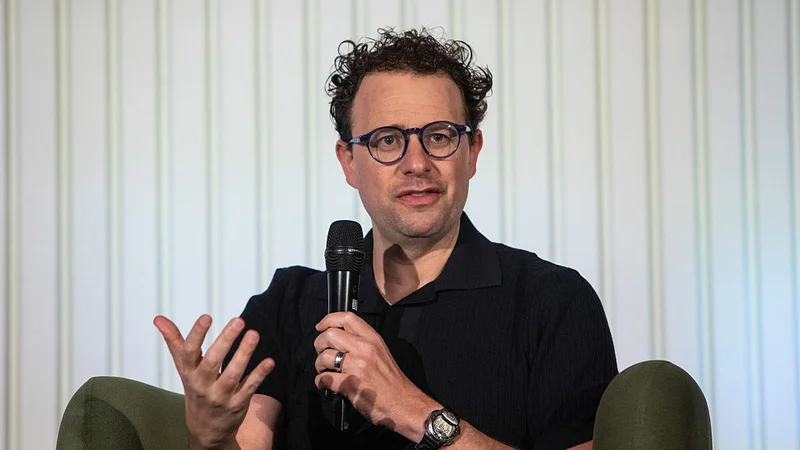
Image: TechCrunch AI
Main Takeaway
Anthropic CEO Dario Amodei says public anger over AI reflects a crisis of trust caused by unmet promises, corporate conduct concerns and uncertainty about regulation.
Jump to Key PointsSummary
Amodei reframes the backlash
Anthropic CEO Dario Amodei says public resistance to artificial intelligence reflects a crisis of trust, rather than a simple failure by AI companies to explain their technology. His comments came in a lengthy post on X responding to investor Gavin Baker, who argued on the All-In podcast and on X that Amodei’s warnings about AI risk contribute to an overly bleak public narrative.
Amodei rejected the idea that he is responsible for the broader sense of anxiety surrounding AI. He acknowledged that companies, including Anthropic, have earned criticism by promising sweeping benefits without delivering enough visible results. The dispute places Anthropic’s safety-focused messaging inside a wider argument over whether the industry’s leaders are building confidence or deepening public fear.
Unmet promises drive skepticism
The clearest criticism, Amodei says, is that AI companies have not yet delivered on their large promises to improve people’s lives. That admission shifts the debate from public relations to performance: people judge the industry through practical outcomes such as medical breakthroughs, better services and broadly shared economic gains.
The expectation gap has widened as executives describe AI as transformative while users encounter unreliable systems, job disruption and products that often require supervision. Amodei’s formulation recognizes that trust depends on results, not only safety commitments or optimistic forecasts. Coverage from Fortune, The Next Web and Business Insider centers on his statement that AI must “actually” produce major benefits, including progress against serious diseases, before public confidence can recover.
Regulation is part of the dispute
Amodei also described AI regulation as a false choice between unchecked innovation and rules that stop useful development. His position connects trust to how companies and governments manage powerful systems, including whether safeguards are credible, enforceable and applied consistently.
The regulatory argument matters because public concern extends beyond model performance. People worry about workplace disruption, concentration of power and government decisions made without meaningful accountability. Amodei’s response frames regulation as part of the solution, while critics of his approach see repeated warnings from AI executives as evidence that the industry is shaping the rules around its own expansion. The broader coverage treats this tension as a central reason Silicon Valley’s debate has become more personal and politically charged.
Silicon Valley’s trust divide
Amodei’s remarks expose a growing divide among AI leaders and investors over how to discuss risk. Baker criticized Amodei’s public warnings, while Amodei argued that the underlying problem is distrust of companies and institutions, not merely the tone of one executive’s messaging.
The argument also carries a personal history. Amodei previously worked at OpenAI before co-founding Anthropic, and several accounts interpreted his line, “Why argue with someone you don’t trust?”, as an indirect reference to OpenAI CEO Sam Altman. Livemint and AI Weekly presented the exchange through that lens, while other coverage focused on the larger question of whether Anthropic’s safety posture is becoming a competitive identity. The episode shows how quickly policy disagreements become proxy battles between rival AI companies.
Why credibility matters for Anthropic
Trust is a business issue for Anthropic because the company sells AI systems to enterprises, developers and institutions that need predictable behavior and clear accountability. A safety-centered brand can distinguish Anthropic from competitors, but it also creates a higher standard for demonstrating that its policies produce measurable benefits.
The company faces pressure on both sides. Customers want capable models that deliver immediate value, while regulators and the public want evidence that safety claims are more than positioning. Coverage from TechCrunch, Fortune and Business Insider presents Amodei’s intervention as an attempt to defend balanced risk messaging while conceding that the industry has overpromised. That combination gives Anthropic a credible opening, but only if future products and deployments make the promised benefits visible.
What happens next
The trust debate will be tested by results, governance decisions and the industry’s response to criticism. Amodei’s comments establish a standard that applies to Anthropic as much as to its rivals: companies must show concrete public value and explain how they handle risks.
That test will play out across product launches, enterprise adoption, medical research claims, workplace impacts and regulatory negotiations. A sharper message alone won't settle the argument. If AI companies deliver useful systems while accepting meaningful oversight, skepticism can ease; if promises continue to outrun outcomes, backlash will remain a defining constraint on the sector’s growth.
Key Points
Anthropic CEO Dario Amodei identifies public distrust, not messaging alone, as the core driver of AI backlash.
Dario Amodei acknowledges Anthropic and rivals have not delivered on sweeping promises to benefit society.
Anthropic links credible AI regulation with innovation, safety safeguards and accountability for companies and governments.
Gavin Baker criticized Amodei’s risk warnings, intensifying Silicon Valley’s debate over AI communications.
Amodei’s comments revive tensions involving Anthropic, OpenAI CEO Sam Altman and competing views on AI risk.
Questions Answered
Anthropic CEO Dario Amodei said the AI backlash is fundamentally a crisis of trust. He argued that companies have failed to deliver enough of the benefits they promised and that public concern also reflects uncertainty about corporate and government conduct.
Dario Amodei says people distrust AI companies because large promises about social and economic benefits have not yet produced enough visible results. Concerns about job disruption, unreliable systems, concentrated power and regulation deepen that skepticism.
Dario Amodei was interpreted by some outlets as indirectly criticizing Sam Altman with the phrase, “Why argue with someone you don’t trust?” Amodei previously worked at OpenAI before co-founding Anthropic, making the comment part of a broader rivalry over AI risk and governance.
Gavin Baker criticized Dario Amodei’s warnings about AI risk and argued that they contribute to an overly pessimistic public view. Amodei responded by defending balanced risk messaging and shifting attention toward the industry’s unmet promises.
Anthropic needs to show measurable benefits from AI while maintaining credible safety practices and accountability. The company also faces pressure to support clear regulation and provide enterprise customers with reliable systems.
Source Reliability
42% of sources are established · Avg reliability: 68
Go deeper with Organic Intel
Simple AI systems for your life, work, and business. Each one includes copyable prompts, guides, and downloadable resources.
Explore Systems