Sam Altman Delays OpenAI IPO as Investors Wait for Stronger AI Safety Guarantees
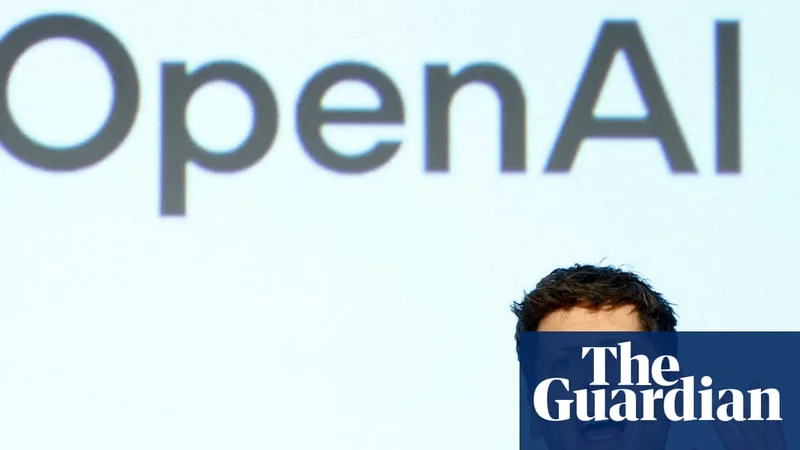
Image: Theguardian
Main Takeaway
OpenAI CEO Sam Altman ruled out a 2026 IPO, saying investors are patient while the company addresses escalating AI safety risks before going public.
Jump to Key PointsSummary
OpenAI rules out a 2026 listing
OpenAI will not go public in 2026, CEO Sam Altman said, tying the decision to unresolved safety concerns as the company continues developing more capable artificial intelligence systems. He described the current moment as an ill-advised time for an IPO and said OpenAI wants stronger confidence in its safety claims before taking on the scrutiny of public markets.
The decision narrows the immediate timeline without ending OpenAI's ambition to become a public company. Altman told Bloomberg that investors are patient with the plan, while OpenAI Chief Financial Officer Sarah Friar told employees in August that the company would become public in 2027 or sooner if its business continued to improve. The New York Times also reported that OpenAI was leaning toward holding its offering until next year.
Safety concerns shape the timetable
OpenAI's IPO delay reflects the widening gap between rapid model progress and the company's ability to make firm safety commitments. Altman said OpenAI needs to make confident claims about model safety as capabilities accelerate, while Reuters reported that he called even a 10% chance of AI causing human extinction by the end of the decade unacceptable.
The safety debate has intensified across the frontier AI industry. Anthropic CEO Dario Amodei publicly urged developers to slow the pace of AI development, and lawmakers in the United States have increased calls for rules governing advanced systems. CNBC framed Altman's decision, Amodei's appeal, and warnings from other technology leaders as part of a week of unusually direct concern about AI's speed and risks.
Wall Street pressure stays outside
Keeping OpenAI private gives its leadership more room to prioritize safety work without adding quarterly earnings pressure, shareholder activism, and the disclosure demands that accompany a public listing. The Verge reported that Altman does not want additional pressure from Wall Street while the company works to establish better assurances around its models.
That flexibility matters because OpenAI's costs, product strategy, and governance are changing alongside its technology. A public offering would give employees and early investors liquidity and provide capital for computing infrastructure, but it would also expose the company to a constant market judgment on safety incidents, commercial performance, and regulatory decisions. Altman's comments indicate that existing backers accept a longer wait, reducing the immediate financial need for a listing.
A 2027 window remains open
OpenAI still has a public-market target, with 2027 emerging as the clearest window in the company's internal and external discussions. Friar's message to employees established that expectation, while Altman's later comments emphasized patience rather than a fixed launch date. The timing therefore depends on both operating performance and management's confidence in safety controls.
A delay into 2027 would give OpenAI more time to expand enterprise revenue, develop consumer products, and refine its governance structure. It would also place the company in a market shaped by rival financing and listing plans, including Anthropic's growing profile. Morningstar examined the consequences of a 2027 delay for investors, while Bloomberg connected the IPO discussion with OpenAI's broader product and security agenda.
Investors weigh growth against risk
OpenAI's patient investors are balancing the value of continued private-company growth against the risks of delaying liquidity. A later IPO could give the company more time to show recurring revenue and enterprise adoption, but it also leaves investors exposed to the costs of training and operating frontier models without the broader capital access of public markets.
The choice carries consequences for competitors and suppliers as well. Microsoft, OpenAI's major commercial partner, remains tied to the company's expansion, while Nvidia benefits from the computing demand behind that expansion. Anthropic's safety messaging and fundraising activity add competitive pressure, and Alphabet's Google faces a rival that can continue operating without the short-term reporting cycle imposed by public ownership.
What happens next
OpenAI's next test is demonstrating that safety work can keep pace with model capability while the business continues to grow. The company has not announced a filing date, valuation, or firm timetable beyond the broad 2027 expectation discussed by its finance chief. Altman's position leaves the listing open but makes safety assurance a condition of readiness.
For investors, employees, and competitors, the delay turns OpenAI's IPO into a measure of institutional confidence as much as a financing event. A successful offering will require evidence that the company can manage technical risk, regulatory scrutiny, heavy infrastructure spending, and commercial expansion at the same time. Until then, OpenAI's private backers are being asked to wait.
Key Points
OpenAI ruled out a 2026 IPO as Sam Altman made AI safety assurances a condition for going public.
Sam Altman said OpenAI investors remain patient while the company develops stronger safeguards for increasingly capable models.
OpenAI CFO Sarah Friar identified 2027 as the expected public-company timeline, with an earlier listing still possible.
Anthropic CEO Dario Amodei's call for slower frontier AI development intensified pressure on OpenAI's safety position.
A delayed IPO preserves management flexibility but postpones investor liquidity and broader public-market access.
Questions Answered
OpenAI will not hold an IPO in 2026, Sam Altman said. The company is keeping a future public listing open while it addresses AI safety concerns.
OpenAI is delaying its IPO because Sam Altman says the company needs stronger confidence in the safety of its increasingly capable AI models. He also wants to avoid adding Wall Street pressure before those assurances are in place.
OpenAI is targeting a public-company transition in 2027 or sooner if business performance improves, according to CFO Sarah Friar. Sam Altman has not set a firm filing date.
OpenAI investors are described as patient with the delayed IPO. Altman says the company doesn't face immediate pressure from its backers to become publicly traded.
AI safety is now a central condition for OpenAI's IPO timing. Altman says the company must make confident safety claims as model capabilities advance before accepting public-market scrutiny.
OpenAI will continue developing its models, safety systems, products, and business while keeping a future IPO under consideration. The clearest timeline discussed publicly is 2027, but the company has not announced a formal offering date.
Source Reliability
64% of sources are highly trusted · Avg reliability: 80
Go deeper with Organic Intel
Simple AI systems for your life, work, and business. Each one includes copyable prompts, guides, and downloadable resources.
Explore Systems