John Ternus Begins Apple CEO Tenure With Leaner Structure and Pressure to Accelerate AI Strategy
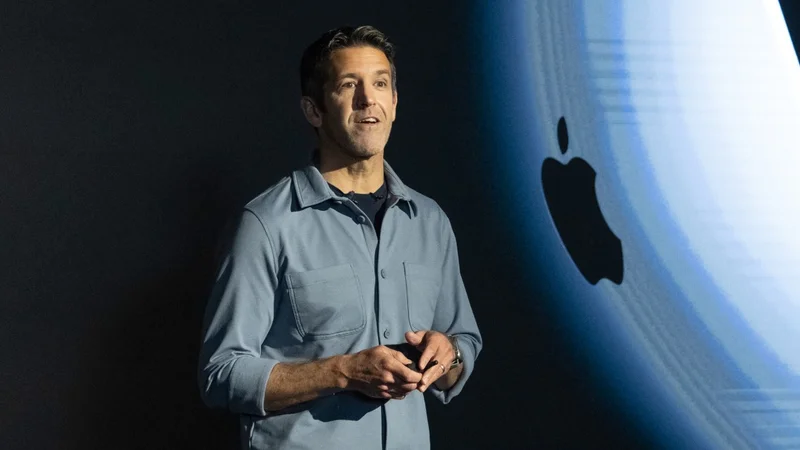
Image: Nbcnews
Main Takeaway
Apple CEO John Ternus is reshaping management weeks into his tenure as the company confronts executive turnover, slower product cycles and an intensifying AI race.
Jump to Key PointsSummary
Ternus takes the top job
John Ternus became Apple’s chief executive on September 1, succeeding Tim Cook after Cook’s 15-year tenure. Ternus, a 25-year Apple veteran and former senior vice president of Hardware Engineering, now leads a company valued at roughly $4.6 trillion and built around the iPhone’s global reach.
Cook moved into the role of executive chairman, preserving continuity at the board level while handing day-to-day control to an executive shaped by product engineering. Apple described the succession as planned, but Ternus inherits a demanding agenda: renew the hardware lineup, improve execution speed and define a stronger response to the AI competition led by Google, Microsoft, OpenAI and others.
A faster, leaner Apple
Ternus has begun considering changes intended to make Apple faster and leaner, including reductions in some middle-management roles and a stronger emphasis on engineering. The reported direction fits his background in hardware, where product decisions depend on tightly coordinated teams, clear ownership and disciplined release schedules.
The restructuring comes as Apple seeks broader device growth and faster product development. Bloomberg described the early effort as an overhaul rather than a single reorganization, with the company examining how work is assigned and how decisions move through management. That approach places execution at the center of Ternus’ opening months, while the company prepares a major fall product cycle.
Executive turnover gathers pace
Apple’s leadership bench is entering a generational transition, giving Ternus a succession problem beyond his own appointment. Senior figures expected to require replacement over the next 3 years include chip chief Johny Srouji, retail and people leader Deirdre O’Brien, former finance chief Luca Maestri and Greg Joswiak, according to coverage citing Bloomberg’s Mark Gurman.
The departures extend across functions tied to Apple’s future, including AI, design, legal affairs, environmental policy and operations. Finance.yahoo characterized the shift as Apple’s largest executive realignment since Steve Jobs died in 2011. Ternus therefore has to preserve institutional knowledge while choosing leaders who can push the company into new product categories and compete more forcefully in software and AI.
AI tests an engineering CEO
AI is Ternus’ clearest strategic test because his career has centered on hardware engineering rather than large-scale AI services. Apple’s delayed and uneven progress in generative AI has raised pressure on the company to improve Siri, strengthen device intelligence and decide how much technology to build internally versus obtain through partnerships.
The leadership transition arrives as Apple tries to connect silicon, operating systems and services into a more capable AI platform. That work gives Ternus an advantage in understanding chips and devices, but it also demands decisions about research priorities, software talent and organizational authority. Analysts cited by Fox Business questioned the timing of Cook’s transition as Apple intensifies its AI push, even though Apple presented the handover as a long-planned process.
Products will define the transition
Ternus’ first public test is tied to Apple’s fall product event, where he previewed a strong iPhone launch in his first memo to employees. Coverage also pointed to a possible first foldable iPhone, alongside updated Pro products, giving the new CEO an immediate opportunity to show whether Apple can expand beyond its familiar annual upgrade rhythm.
The product cycle matters because restructuring alone won't reassure investors, employees or customers. A successful launch would give Ternus room to reorganize without appearing distracted, while weak execution would sharpen questions about management turnover and Apple’s ability to create new growth. His hardware background makes the launch especially personal: the market will judge both the devices and the operating model behind them.
Cook’s legacy and Ternus’ choices
Cook leaves Apple after a period of enormous financial expansion, operational discipline and supply-chain scale. His tenure extended the iPhone franchise, broadened services and positioned Apple as one of the world’s most valuable companies, according to coverage from NBC News and Fast Company.
Ternus inherits that strength along with its constraints. Apple must protect a mature iPhone business while funding AI, developing new device categories and replacing experienced executives. Cook’s continued presence as executive chairman provides a channel for institutional continuity, but Ternus now owns the decisions that will determine Apple’s next phase. The first signals are a leaner structure, heavier engineering focus and a leadership pipeline built for faster product and AI execution.
Key Points
John Ternus becomes Apple CEO and starts restructuring management around faster engineering execution.
Apple faces a major executive succession cycle as veteran leaders approach retirement across critical divisions.
Ternus inherits pressure to strengthen Apple’s AI strategy while preserving its hardware advantages.
A possible foldable iPhone gives Ternus an early product test during his first fall launch.
Tim Cook remains executive chairman, providing continuity as Ternus reshapes daily operations.
Questions Answered
John Ternus is Apple’s new CEO and a 25-year company veteran. He previously led Hardware Engineering and succeeded Tim Cook on September 1, 2026.
John Ternus is restructuring Apple to accelerate product development and create a leaner organization. Early changes include a stronger engineering focus and possible reductions in middle management.
John Ternus must strengthen Apple’s AI strategy while drawing on his hardware and Apple silicon experience. The company faces pressure to improve device intelligence, Siri and software execution.
Apple is expected to use an upcoming fall event to introduce major iPhone updates, including a possible first foldable iPhone. The launch would provide an early test of Ternus’ product leadership.
Tim Cook will serve as Apple’s executive chairman after leaving the CEO role. His position preserves board-level continuity while Ternus takes responsibility for daily operations and strategy.
Source Reliability
45% of sources are trusted · Avg reliability: 70
Go deeper with Organic Intel
Simple AI systems for your life, work, and business. Each one includes copyable prompts, guides, and downloadable resources.
Explore Systems