Instagram Renames AI Profile Labels and Limits Reach for Undisclosed Virtual Influencers
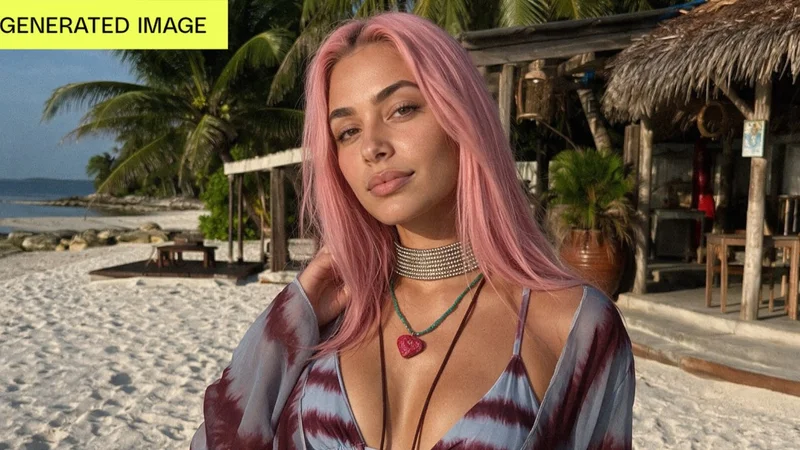
Image: The Verge AI
Main Takeaway
Instagram is renaming its AI creator label and limiting the reach of undisclosed AI-generated profiles after users complained that virtual people looked real.
Jump to Key PointsSummary
Instagram targets deceptive profiles
Instagram is tightening disclosure rules for accounts built around AI-generated people, limiting the reach of profiles that fail to identify their virtual subjects. The platform is renaming its existing “AI creator” label to “AI-generated profile,” a change designed to tell users more plainly that a profile features a person generated or substantially created with artificial intelligence.
The policy addresses a growing class of accounts that present polished, human-looking personalities across feeds and creator pages. Users have complained about discovering only later that an apparent influencer was entirely synthetic. Instagram said the change responds to that frustration and aims to make the disclosure visible before people treat a profile as a real person.
Reach becomes the main penalty
Accounts that feature AI-generated people without the required disclosure will face reduced distribution rather than an outright ban. Lower reach can affect how often posts appear in recommendations, discovery surfaces, and other parts of Instagram that drive audience growth, making the label a practical platform requirement for virtual influencers.
Creators who apply the new label won't be penalized simply because their profile subject is AI-generated. That distinction separates disclosure from prohibition: Instagram is allowing synthetic personalities to operate while attaching a distribution cost to accounts that hide their nature. The approach also puts responsibility on account owners to identify when a profile crosses from ordinary editing into an AI-generated identity.
What the label covers
The “AI-generated profile” label applies when the person featured on a profile was generated or substantially created with AI. Instagram's rule targets the identity presented to viewers, rather than every post made with an AI tool.
Routine AI assistance remains outside the label's stated scope. Users don't need to mark profiles simply because they used AI to edit photographs, refine captions, create graphics, or make other creative adjustments. That boundary matters for ordinary creators, since broad labeling of all AI-assisted content would blur the difference between a synthetic person and a human creator using automated production tools.
Why virtual influencers matter
AI influencer accounts sit at the intersection of creator economics, advertising, and online identity. A synthetic profile can publish continuously, maintain a carefully controlled appearance, and interact with audiences without representing a human life. When the account looks like a conventional creator, viewers can mistake generated images and biographies for authentic personal expression.
Instagram's change gives users a clearer signal before they build trust around a profile. It also creates a business tradeoff for operators of virtual accounts: disclosure preserves eligibility for normal treatment, while concealment threatens visibility. The policy does not settle broader questions about sponsorships, impersonation, or whether audiences consider virtual personalities creators, but it establishes transparency as a condition for distribution.
A wider authenticity push
Instagram's action forms part of Meta's broader effort to manage synthetic media and questionable online identities. The company's platforms face pressure from users who want to know whether people shown in social posts exist as presented, while creators and advertisers continue adopting generative tools for images, video, and branded characters.
The distinction between generated profiles and AI-assisted posts will shape enforcement. A label that is too narrow can miss deceptive accounts, while a rule that is too broad can burden ordinary creators who use software for production help. Instagram's reach-based penalty gives the company a way to pressure noncompliant accounts without removing every synthetic persona, though its effectiveness will depend on detection and consistent application.
What happens next
Instagram's immediate next step is enforcement against profiles that don't self-label their AI-generated subjects. The platform is also testing a clearer vocabulary, replacing “AI creator” with wording that directly describes the profile as generated. That language puts the disclosure closer to the account itself, where users can see it before engaging.
Virtual creators can continue operating under the new framework if they identify themselves accurately. Human creators using AI for limited editing remain outside the stated requirement, while accounts built around fabricated people face reduced reach when they conceal that fact. The policy's success will be measured by whether users recognize synthetic profiles earlier and whether operators choose transparency over distribution.
Key Points
Instagram renamed its AI creator label and will limit reach for undisclosed AI-generated profiles.
AI-generated profiles can retain normal distribution when creators clearly disclose their synthetic subjects.
Instagram excludes routine AI editing, caption polishing, graphics, and other limited creative assistance from labeling.
The policy responds to users discovering that seemingly human influencer accounts were entirely AI-generated.
Reach penalties pressure virtual influencer operators to disclose synthetic identities without banning their accounts.
Questions Answered
Instagram is renaming its “AI creator” label to “AI-generated profile” and limiting the reach of accounts that fail to disclose synthetic people. The wording is intended to make the profile's artificial nature clearer to viewers.
Instagram isn't banning AI influencers that use the required disclosure. Properly labeled profiles can continue operating, while undisclosed accounts face reduced distribution.
Instagram requires the label for profiles featuring people generated or substantially created with AI. The rule doesn't cover ordinary AI editing, caption assistance, graphic creation, or similar production tasks.
Instagram is limiting reach because users have encountered profiles that appeared human but were later revealed to be entirely synthetic. The penalty gives account operators an incentive to disclose virtual identities before building an audience.
Instagram says creators using AI for photo edits, captions, graphics, or other creative tweaks don't need the AI-generated profile label. The requirement focuses on synthetic people presented as profile subjects.
Source Reliability
60% of sources are highly trusted · Avg reliability: 82
Go deeper with Organic Intel
Simple AI systems for your life, work, and business. Each one includes copyable prompts, guides, and downloadable resources.
Explore Systems