FERC Orders Fast-Track Grid Connections for AI Data Centers Amid Power Crunch
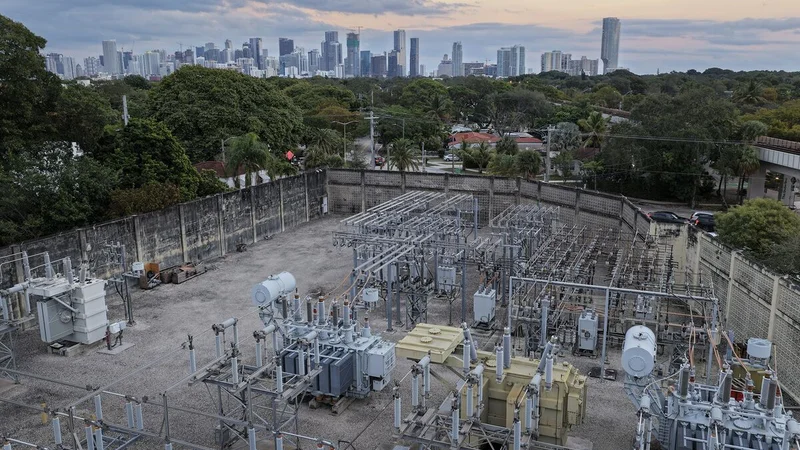
Image: Bloomberg AI
Main Takeaway
US regulators ordered six major grid operators to fast-track data center interconnections as AI power demand surges.
Jump to Key PointsSummary
What FERC ordered and why now
The Federal Energy Regulatory Commission directed six major US grid operators on Thursday to accelerate interconnection requests from data centers and other large electricity users. The unanimous commission vote requires operators to demonstrate that data centers can connect to transmission systems in a timely and orderly manner, with data center operators bearing the full cost of interconnection.
The order arrives as AI infrastructure buildouts are straining an already congested grid. Data center power demand has surged alongside the generative AI boom, with individual facilities now drawing hundreds of megawatts, equivalent to small cities. FERC's intervention addresses a bottleneck that has left some projects waiting years for grid access, threatening US competitiveness in AI infrastructure deployment.
The cost question and who pays
Data centers will foot the bill for their grid connections under the new rules, a significant policy choice that shifts financial risk to project developers rather than ratepayers. This cost-allocation approach reflects FERC's attempt to balance expedited access with fairness to existing electricity customers.
The commission stopped short of resolving deeper questions about who pays for transmission upgrades needed to serve clusters of data centers. That omission leaves open a contentious debate about whether local communities should subsidize infrastructure for tech giants. Bloomberg reports that demand for AI infrastructure continues to accelerate, suggesting the cost pressures will only intensify as more projects queue for connection.
What the order leaves unsolved
FERC's action notably failed to address the fundamental supply shortage underlying the interconnection crunch. The orders speed up paperwork and process but do not create new electricity generation or expand transmission capacity. This gap between procedural acceleration and physical constraints has drawn criticism from energy analysts who warn that fast-tracking connections to an already strained grid could compromise reliability.
The commission's silence on supply expansion represents a significant policy choice. While streamlining interconnection removes one obstacle, it does not generate the additional gigawatts that AI data centers will require. Some observers view this as kicking the can on harder decisions about power plant permitting, renewable deployment, and grid modernization that would require broader political consensus.
Opening for grid technology innovation
FERC embedded an underappreciated directive with potentially major implications for technology vendors. The commission instructed grid operators to consider alternative transmission technologies, without naming specific approaches. This creates a regulatory opening for companies working on advanced conductors, grid-enhancing technologies, and other hardware innovations that can squeeze more capacity from existing lines.
The order could accelerate procurement decisions by regional transmission organizations that have been cautious about unproven technologies. Startups in the grid-tech space have long faced a chicken-and-egg problem: utilities want operational track records, but track records require utility customers. FERC's explicit nudge may break that logjam, particularly for technologies that promise faster deployment than traditional transmission buildouts.
Federal lands and the broader policy context
The FERC orders intersect with a separate Biden administration initiative to fast-track AI data centers and energy infrastructure on federal lands. That executive order, referenced by Morgan Lewis, creates a parallel track for projects seeking to locate on government property with streamlined permitting. Together, the policies represent a coordinated federal effort to accelerate AI infrastructure deployment through regulatory rather than legislative action.
The federal lands component offers advantages for power-hungry projects: proximity to existing transmission corridors, fewer local zoning obstacles, and potential access to federal renewable energy resources. However, it also raises questions about environmental review shortcuts and the prioritization of industrial energy demand over other land uses. The convergence of FERC's grid orders with federal lands policy suggests the administration views AI infrastructure competitiveness as an urgent economic priority warranting exceptional regulatory treatment.
What happens next for developers and utilities
Grid operators now face deadlines to demonstrate compliance with FERC's timeliness mandates, while data center developers must prepare for accelerated but self-funded interconnection processes. The practical impact will vary dramatically by region, depending on existing queue backlogs and local transmission availability. Projects in congested areas like Northern Virginia or Phoenix may see limited benefit if physical capacity constraints persist.
Legal challenges are probable, particularly from consumer advocates and competing industries who may argue the cost-allocation framework unfairly advantages tech companies. States with ambitious data center recruitment programs, including tax incentive packages, will watch closely to see whether federal fast-tracking confers additional competitive advantage. The orders also set up a test of whether procedural acceleration alone can meaningfully address infrastructure bottlenecks when the underlying resource constraints, electricity supply and transmission capacity, remain unresolved.
Key Points
FERC ordered six US grid operators to fast-track data center interconnection requests
Data center operators must pay full costs of grid connections under the new rules
The commission did not address electricity supply shortages or transmission capacity limits
Grid operators were directed to consider alternative transmission technologies
The orders align with a Biden executive order for federal lands AI infrastructure
Questions Answered
FERC ordered six major grid operators to accelerate interconnection requests from data centers and other large electricity users. The commission required operators to demonstrate that data centers can connect in a timely and orderly manner, with data centers paying the full cost of interconnection.
The surge in generative AI infrastructure has created massive new electricity demand, with individual data centers now drawing hundreds of megawatts. FERC acted because interconnection delays had become a critical bottleneck threatening US competitiveness in AI deployment, with some projects waiting years for grid access.
No, the order does not solve underlying electricity supply shortages or create new generation capacity. It streamlines interconnection processes and paperwork but leaves unresolved the physical constraint that demand is outpacing available power and transmission infrastructure in many regions.
Data center developers bear the full cost of their interconnections under the new rules. This cost-allocation approach shifts financial risk to project developers rather than spreading it across all ratepayers, though it leaves open debates about who pays for broader transmission upgrades serving data center clusters.
FERC directed grid operators to consider alternative transmission technologies without naming specific approaches, creating opportunities for companies working on advanced conductors, grid-enhancing technologies, and other hardware that can increase capacity on existing lines. This regulatory nudge may accelerate procurement decisions by transmission organizations.
The FERC orders complement a separate Biden executive order fast-tracking AI data centers and energy infrastructure on federal lands. Together they represent a coordinated federal effort to accelerate AI infrastructure deployment through regulatory streamlining, with federal lands offering advantages including proximity to existing transmission corridors.
Source Reliability
38% of sources are highly trusted · Avg reliability: 71
Go deeper with Organic Intel
Simple AI systems for your life, work, and business. Each one includes copyable prompts, guides, and downloadable resources.
Explore Systems