Deutsche Telekom Eyes Full T-Mobile Merger in Record-Breaking Telecom Deal
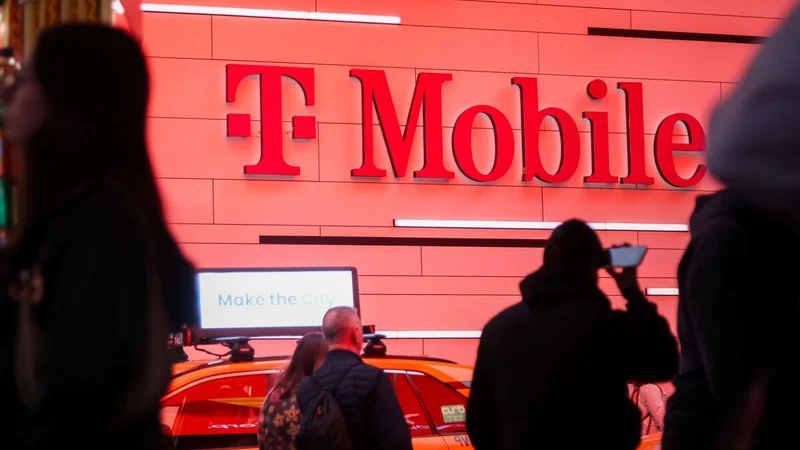
Image: Bloomberg AI
Main Takeaway
German parent DT mulls all-stock takeover that would create world's largest wireless carrier and top all-time M&A record.
Jump to Key PointsSummary
Why this merger talk is happening now
Deutsche Telekom is actively exploring a full combination with its US subsidiary T-Mobile US, according to multiple Bloomberg reports citing people familiar with the matter. The German telecom giant, which already owns a controlling stake in T-Mobile, is weighing a structure that would create a new holding company that simultaneously bids for shares of both Deutsche Telekom and T-Mobile. This move would effectively collapse the parent-subsidiary relationship into a single multinational telecom powerhouse. The discussions arrive at a time when the combined entity would instantly become the most valuable wireless carrier globally, surpassing both Verizon and AT&T by a wide margin. The talks remain preliminary, yet the strategic logic appears compelling given the complementary geographic footprints and the potential for massive cost synergies across two of the world's most lucrative telecom markets.
The mechanics of a record-breaking transaction
The proposed deal structure would involve a new holding company issuing shares to acquire both Deutsche Telekom and T-Mobile, creating a dual-listing on major US and European exchanges. This approach mirrors recent mega-mergers in other sectors and would allow existing shareholders of both companies to exchange their stakes for shares in the combined entity. Based on current market values, the transaction would eclipse Vodafone's $203 billion acquisition of Mannesmann in 1999 to become the largest public M&A deal in history. Deutsche Telekom's current 51.4 percent stake in T-Mobile, recently bolstered by an additional share purchase from SoftBank, positions it uniquely to execute such a maneuver without requiring massive new financing. The all-stock nature of the deal would also help manage the debt load that would otherwise accompany a cash acquisition of this magnitude.
Regulatory hurdles across two continents
Any combination would face intense scrutiny from regulators on both sides of the Atlantic. In the United States, the Department of Justice and FCC would examine whether the merger reduces competition in wireless markets, particularly given T-Mobile's recent acquisition of Sprint. European antitrust authorities would similarly evaluate whether the deal creates excessive concentration in telecom services across the EU. The companies would need to demonstrate that the merger enhances rather than harms consumer choice, likely through commitments to network investment, rural coverage, and pricing transparency. Historical precedent suggests regulators may demand concessions such as spectrum divestitures or infrastructure sharing agreements, which could dilute some of the projected synergies. The Biden administration's more aggressive antitrust stance adds another layer of complexity compared to previous mega-mergers.
Market reaction and strategic implications
T-Mobile shares gained 1.5 percent on the initial Bloomberg report, while Deutsche Telekom's stock showed modest upward movement in European trading. Analysts note that the market response has been relatively muted given the early stage of discussions, suggesting investors are adopting a wait-and-see approach. The merger would create a telecom behemoth with over 280 million wireless subscribers across Europe and North America, generating combined annual revenues exceeding $200 billion. This scale would provide unprecedented leverage in equipment purchasing negotiations with suppliers like Ericsson, Nokia, and Samsung, potentially reshaping global 5G deployment strategies. The combined entity could also accelerate the convergence of telecom and AI services, positioning itself as a key infrastructure provider for edge computing and IoT applications.
What happens next for stakeholders
Deutsche Telekom's supervisory board is expected to receive a formal proposal within weeks, after which the company would need to engage T-Mobile's independent directors for negotiations. SoftBank, which retains a minority stake in T-Mobile, would become a key swing vote in any deal structure. Credit rating agencies have placed both companies on review for potential upgrades, citing the stronger combined balance sheet. Employees at both organizations face uncertainty as integration planning begins, with German labor unions already expressing concerns about job security. For consumers, the merger could accelerate 5G rollout timelines and potentially lead to more competitive international roaming packages, though pricing remains a wildcard pending regulatory conditions. The companies have set an internal deadline of Q3 2026 to reach a definitive agreement or abandon the talks entirely.
Key Points
Deutsche Telekom is exploring a full merger with T-Mobile US that would create the world's most valuable wireless carrier
The deal would use a new holding company structure and become the largest public M&A transaction in history
Combined entity would serve 280+ million subscribers across Europe and North America with $200B+ annual revenue
Regulatory approval required from both US and European authorities, facing antitrust scrutiny
Deutsche Telekom's existing 51.4% stake in T-Mobile positions it to execute the transaction efficiently
Questions Answered
Customers would likely see accelerated 5G rollout and potentially improved international roaming packages, though pricing could face upward pressure as the combined entity gains market power. Any changes would be phased in over years following regulatory approval.
Based on current market valuations, the combined entity would exceed $300 billion in value, surpassing Vodafone's $203 billion acquisition of Mannesmann in 1999. The deal involves full integration of two major regional carriers rather than just an acquisition.
The timing aligns with T-Mobile's strong financial performance post-Sprint merger, Deutsche Telekom's desire to simplify its corporate structure, and the need for scale to compete in 5G infrastructure investments against Verizon and AT&T.
The merger would require approval from the US Department of Justice, FCC, and European Commission antitrust authorities. Each will evaluate impact on competition, consumer pricing, and network infrastructure investment commitments.
SoftBank, which retains a minority stake in T-Mobile from the Sprint merger, would exchange its shares for equity in the new combined entity. Its stake percentage would be diluted but potentially gain value from the merged company's enhanced market position.
Source Reliability
33% of sources are trusted · Avg reliability: 69
Go deeper with Organic Intel
Simple AI systems for your life, work, and business. Each one includes copyable prompts, guides, and downloadable resources.
Explore Systems