Apple's China Gambit: How Tim Cook's Legacy Shapes John Ternus's Next Move
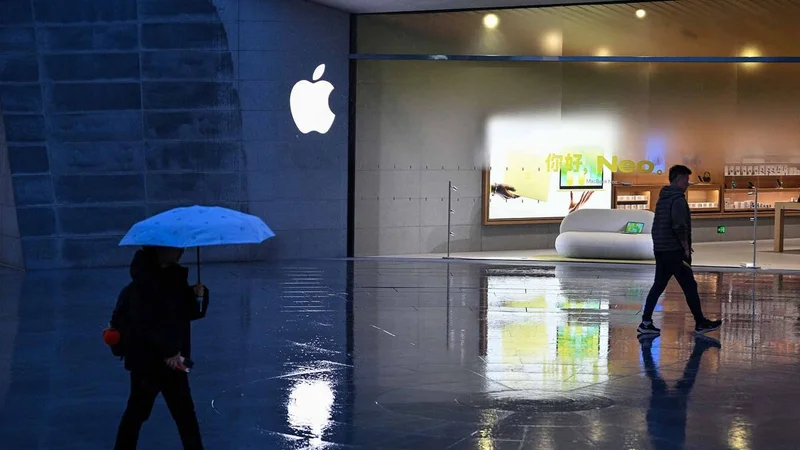
Image: Bloomberg AI
Main Takeaway
Tim Cook's China playbook passes to John Ternus, who must balance supply chain mastery with consumer loyalty amid growing geopolitical tensions.
Jump to Key PointsSummary
The Cook Legacy: A China Playbook Decades in the Making
Tim Cook didn't just adapt to China—he built Apple's entire modern operation around it. According to Bloomberg, Cook's approach centered on three pillars: deep supplier relationships, consumer brand loyalty, and strategic government engagement. This wasn't accidental. Business Insider reports that Cook visited China over 30 times during his tenure, personally negotiating with suppliers like Foxconn and Luxshare while cultivating relationships with Chinese regulators. The strategy paid off massively: China became both Apple's largest manufacturing hub and its second-largest consumer market, generating over $68 billion in annual revenue at peak.
The Ternus Transition: Inheriting a Double-Edged Sword
John Ternus takes the helm at a precarious moment. CNBC notes that Cook's final China visit in April 2026 served as both a farewell tour and a handoff of key relationships. The challenge? China now represents both Apple's greatest asset and its biggest vulnerability. According to Supply Chain Magazine, geopolitical tensions have turned Cook from "hero to zero" in some Chinese circles, with nationalist sentiment occasionally targeting Apple products. Ternus inherits a supply chain where 95% of iPhones are still assembled in China, yet faces pressure from US lawmakers to diversify. The Observer frames this as "more than cheap labor"—it's about maintaining access to a skilled manufacturing ecosystem that simply doesn't exist elsewhere at scale.
Manufacturing Mastery: How Apple Built China's Tech Infrastructure
NPR's analysis reveals an uncomfortable truth: Apple didn't just use China's manufacturing prowess—it actively created it. The Planet Money team documents how Apple's exacting standards and massive orders transformed sleepy factories into precision manufacturing powerhouses. Foxconn's Zhengzhou facility, nicknamed "iPhone City," employs 350,000 workers and produces 500,000 phones daily. This wasn't simple outsourcing; it was industrial development on a scale rarely seen. Forbes AI notes that Cook's team embedded Apple engineers directly into Chinese factories, sharing proprietary processes and techniques. The result? A manufacturing ecosystem so sophisticated that even Samsung sources components from Apple suppliers.
Consumer Courtship: Beyond the Factory Floor
While manufacturing gets headlines, Apple's consumer strategy in China proved equally masterful. Business Insider details how Cook personally courted Chinese influencers and celebrities, appearing on popular shows and visiting universities. His 2026 viral moment—giving life advice to Tsinghua University students—wasn't accidental; it was calculated soft power. The Free Press argues this consumer courtship created a "captured" market where Chinese consumers view Apple products as premium status symbols, even as domestic brands like Huawei and Xiaomi improve. This emotional connection, forged over decades, gives Apple pricing power competitors can't match.
The Geopolitical Tightrope
Ternus faces a geopolitical landscape Cook never encountered. Supply Chain Magazine highlights how US export restrictions on advanced chips create a paradox: Apple needs China for manufacturing while being restricted from selling its most advanced products there. CWN Newsroom's analysis suggests this isn't sustainable long-term. Meanwhile, Chinese regulators have grown more assertive, with random App Store takedowns and data localization requirements. The Observer notes that Cook's personal relationships with Chinese officials—built over decades—can't simply be transferred. Ternus must build his own connections while navigating an increasingly complex regulatory environment.
Diversification Dilemma: The Vietnam and India Gambit
Bloomberg reports that Ternus has quietly accelerated Cook's diversification plans, with Vietnam and India receiving increased investment. Foxconn's Chennai facility now produces 25% of global iPhone 16 units, up from zero two years prior. Yet this diversification comes at a cost: Chinese suppliers still provide 85% of components, creating a "made elsewhere, sourced from China" paradox. The challenge isn't just building new factories—it's replicating an entire ecosystem of specialized suppliers, logistics networks, and skilled labor. NPR's analysis suggests this could take a decade and cost tens of billions, all while risking Apple's relationship with its Chinese manufacturing partners.
What Happens Next: Ternus's Three-Phase Strategy
Industry analysts predict Ternus will implement a phased approach. Phase one (2026-2027): maintain Chinese relationships while quietly expanding Vietnam and India capacity. Phase two (2028-2029): begin shifting premium product assembly outside China, starting with MacBooks and iPads. Phase three (2030+): achieve true supply chain diversification, with China representing less than 50% of assembly. The risk? Bloomberg warns that moving too fast could trigger Chinese retaliation—higher tariffs, regulatory harassment, or consumer boycotts. Moving too slow risks US political backlash and competitive disadvantage. The Observer frames this as "the defining challenge of Ternus's tenure"—a high-stakes balancing act with no clear winning moves.
Key Points
Tim Cook's China strategy created both Apple's greatest asset (supply chain mastery) and biggest vulnerability (over-dependence)
John Ternus inherits a manufacturing ecosystem where 95% of iPhones are assembled in China, requiring decade-long diversification
Apple's China strategy involved more than cheap labor—Cook embedded engineers in factories and built consumer emotional connections
Geopolitical tensions create a paradox: Apple needs China for manufacturing but faces restrictions selling advanced products there
Ternus's three-phase plan aims to reduce China dependency to <50% by 2030 while avoiding retaliation
Questions Answered
China's manufacturing ecosystem includes specialized suppliers, skilled labor, and logistics networks built over decades. Replicating this elsewhere would take 5-10 years and cost tens of billions while risking retaliation from Chinese authorities.
At peak, China generated over $68 billion annually for Apple as both a manufacturing hub and consumer market, making it Apple's second-largest revenue source after the United States.
Industry analysts predict a three-phase approach: maintain relationships (2026-2027), shift premium assembly (2028-2029), and achieve <50% China dependency by 2030.
Cook visited China 30+ times, embedded Apple engineers in factories, personally negotiated with suppliers like Foxconn, appeared on Chinese TV shows, and gave viral university talks to build consumer loyalty.
Potential retaliation could include higher tariffs, regulatory harassment like random App Store takedowns, consumer boycotts, or restrictions on component exports—all of which could severely impact Apple's operations.
Yes, but Apple's situation is unique due to its scale and integration. Companies like Tesla, Samsung, and Google face similar geopolitical pressures, though none are as deeply embedded in China's manufacturing ecosystem as Apple.
Source Reliability
30% of sources are highly trusted · Avg reliability: 62
Go deeper with Organic Intel
Simple AI systems for your life, work, and business. Each one includes copyable prompts, guides, and downloadable resources.
Explore Systems