Michael Dell Bets Big on AI Medicine with $750M UT Austin Gift
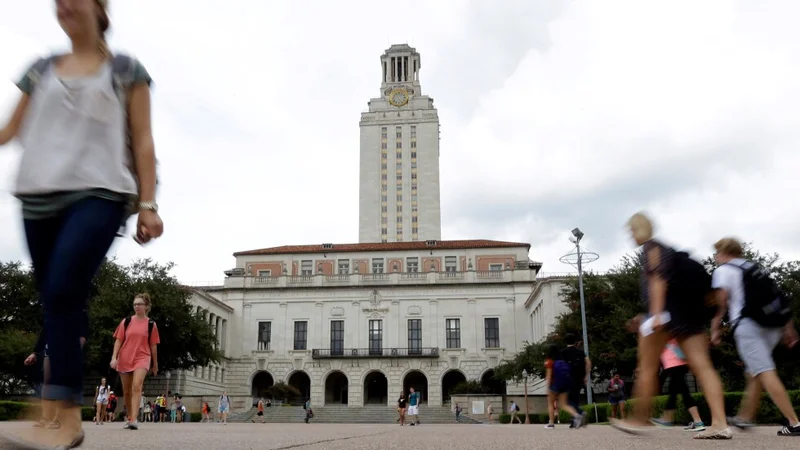
Image: Apnews
Main Takeaway
Dell's $750M donation creates first AI-native medical center, pushing total UT giving past $1B milestone.
Jump to Key PointsSummary
The gift that changes everything
Michael and Susan Dell just dropped three-quarters of a billion dollars on their alma mater. The $750 million pledge to University of Texas at Austin creates what's being called the first "AI-native" medical center in the United States. According to AP News, the UT Dell Medical Center will open in 2030 as the centerpiece of a 300-plus-acre research campus.
This isn't pocket change. Bloomberg reports this ranks among the largest philanthropic commitments in American higher education history. The donation pushes the Dells' total giving to UT past $1 billion, making them the university's first billion-dollar donors according to the official UT announcement.
The center will integrate artificial intelligence throughout patient care, from diagnosis to treatment planning. CNBC notes Dell himself was once a premed student at UT before dropping out to build computers in his dorm room. Now he's returning to medicine through the back door of technology.
Why medicine and AI now
The timing isn't random. Austin's population boom has strained healthcare infrastructure, and traditional medical schools aren't keeping pace. The new center addresses both problems while positioning UT as a global leader in AI-driven healthcare.
Fortune points out this builds on Dell's recent philanthropic momentum. Just two months ago, he pledged $6.25 billion for "Trump Accounts" aimed at American children. The medical gift shows a strategic pivot from broad social programs to targeted technological interventions.
The AI focus isn't just marketing fluff. Current medical AI applications remain fragmented across different hospitals and systems. By building AI into the foundation from day one, the center could establish protocols that other institutions adopt worldwide.
What this means for healthcare
The implications extend far beyond Austin. An AI-native medical center could redefine how medical education works. Students won't just learn about AI tools; they'll train alongside them from day one.
For patients, the center promises faster diagnoses and more personalized treatment plans. AI systems could analyze medical histories, genetic data, and real-time monitoring to catch problems before symptoms appear. The 300-acre campus suggests room for both treatment facilities and long-term care innovations.
More broadly, this creates a testing ground for AI medical applications that currently face regulatory hurdles. Successful implementations here could accelerate FDA approval processes nationwide.
The ripple effect on tech and education
Dell Technologies stands to benefit indirectly. The company already provides infrastructure for major healthcare systems. A successful AI medical center built on Dell technology becomes a massive case study for enterprise sales.
Other tech giants will likely respond. Google's healthcare AI initiatives, Microsoft's cloud partnerships with hospitals, and Amazon's medical ventures now face a well-funded competitor with university backing.
For universities, this raises the stakes. Stanford's medical school, Johns Hopkins, and Harvard will need their own AI strategies or risk falling behind. Expect a wave of similar announcements from other billionaire tech founders.
What happens next
Groundbreaking starts in 2027 according to UT's timeline. The four-year construction period gives plenty of time for medical AI to mature. By 2030, the technology landscape could look completely different.
Faculty recruitment begins immediately. Top AI researchers and medical professionals will likely relocate to Austin, creating a brain drain at other institutions. The center's success depends on attracting talent willing to work at the intersection of medicine and machine learning.
Long-term, this could establish Austin as a biotech hub to rival Boston or San Francisco. The combination of UT's research capabilities, Dell's tech infrastructure, and Texas's business-friendly environment creates a unique ecosystem.
Key Points
$750 million donation creates first AI-native medical center in the US, opening 2030 at UT Austin
Pushes Dell's total UT giving past $1 billion, making them university's first billion-dollar donors
300-acre research campus will integrate AI throughout patient care from diagnosis to treatment
Addresses Austin's healthcare infrastructure strain while positioning UT as global AI medicine leader
Could establish medical AI protocols adopted worldwide, accelerating regulatory approval processes
Questions Answered
The UT Dell Medical Center is projected to open in 2030, with groundbreaking scheduled for 2027.
Unlike existing hospitals that retrofit AI tools, this center builds artificial intelligence into every aspect from day one - from diagnosis and treatment planning to medical education and long-term care protocols.
This $750 million ranks among the largest philanthropic commitments in American higher education history, pushing the Dells past $1 billion in total UT giving.
Dell was originally a premed student at UT before founding Dell Technologies. This represents a return to medicine through technology, while addressing Austin's healthcare infrastructure needs during a population boom.
Yes. Google, Microsoft, and Amazon's healthcare AI initiatives now face a well-funded competitor with university backing, likely triggering similar announcements from other billionaire tech founders.
Source Reliability
43% of sources are highly trusted · Avg reliability: 73
Go deeper with Organic Intel
Simple AI systems for your life, work, and business. Each one includes copyable prompts, guides, and downloadable resources.
Explore Systems