Microsoft Unveils Superintelligence Strategy with Three New AI Models and Reorganized Team
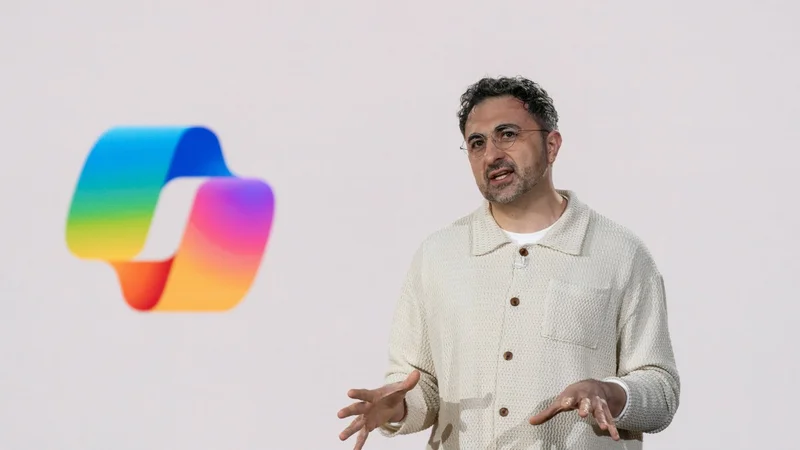
Image: TechCrunch AI
Main Takeaway
Microsoft launches three foundational AI models and reorganizes its AI division under Mustafa Suleyman to pursue 'humanist superintelligence' for business.
Summary
Microsoft's Bold Superintelligence Pivot
Microsoft just made its biggest AI move since the OpenAI partnership. The company unveiled three new foundational models under its Microsoft AI (MAI) division and reorganized its entire AI leadership structure around a single goal: building superintelligence for business use.
The announcement, reported by multiple outlets including TechCrunch and The Verge, signals a dramatic shift in Microsoft's AI strategy. Rather than relying solely on OpenAI's models, Microsoft is now developing its own multimodal AI capabilities in-house while maintaining its partnership with OpenAI.
This isn't just another product launch. It's a complete restructuring of how Microsoft approaches AI development, with new CEO of AI Mustafa Suleyman leading the charge toward what the company calls "humanist superintelligence."
The Three New Models Changing Microsoft's AI Stack
Microsoft AI's first public release includes three distinct models that tackle different business problems. MAI-Transcribe-1 handles speech-to-text across 25 languages, positioning Microsoft to compete directly with specialized transcription services. The other two models generate audio and images respectively, creating a complete multimodal toolkit.
According to TechCrunch, these models represent Microsoft's attempt to build a "full stack" of AI capabilities rather than depending on external providers. This approach gives Microsoft more control over pricing, customization, and integration with existing business tools.
The timing isn't accidental. After recent contract renegotiations with OpenAI, Microsoft gained more flexibility to pursue independent AI development while keeping its partnership intact. These models are the first tangible results of that new arrangement.
Mustafa Suleyman's Nine-Month Superintelligence Plan
Mustafa Suleyman didn't just wake up with this plan. According to The Verge, he'd been preparing for this transition for nine months before Microsoft announced its AI reorganization. The former DeepMind co-founder has been quietly building a roadmap that balances ambitious technical goals with pragmatic business applications.
His "humanist superintelligence" approach focuses on AI that enhances rather than replaces human capabilities in enterprise settings. Think AI assistants that can handle complex business workflows, not just chatbots that answer questions.
The reorganization strips away Suleyman's previous responsibilities to focus him entirely on this superintelligence push. It's a bet that Microsoft's future lies not just in using AI, but in defining what business-focused AI should become.
What This Means for Microsoft's OpenAI Partnership
Here's where things get interesting. Microsoft isn't breaking up with OpenAI — it's growing up. The new models complement rather than compete with GPT-4 and other OpenAI offerings, creating a more diversified AI portfolio.
This mirrors how Microsoft handles cloud services: they offer both Azure-native tools and third-party integrations. Businesses can now choose between OpenAI models, Microsoft's native models, or a hybrid approach depending on their specific needs and budgets.
The renegotiated contract gives Microsoft more independence while maintaining access to OpenAI's latest breakthroughs. It's a pragmatic hedge that positions Microsoft as both partner and potential competitor to OpenAI.
The Enterprise AI Battle Heats Up
Google, Amazon, and other cloud providers just got notice. Microsoft's three-pronged approach — native models, OpenAI partnership, and enterprise integration — creates a moat that's hard to replicate.
The new transcription model alone threatens companies like Otter.ai and other specialized services. By bundling these capabilities into existing Microsoft 365 subscriptions, the company can undercut standalone competitors while offering deeper integration.
This isn't just about features. It's about owning the entire AI stack from infrastructure to application layer. Microsoft's betting that businesses want one throat to choke for AI — and they're positioning themselves as that throat.
Why Investors Should Pay Attention
Wall Street's reaction has been cautiously optimistic. The reorganization shows Microsoft treating AI as core infrastructure rather than a bolt-on feature, which typically signals long-term commitment over short-term hype.
The three new models also demonstrate that Microsoft can execute rapidly. Six months from team formation to product launch suggests the company has streamlined its AI development process significantly.
More importantly, this creates new revenue streams beyond Office subscriptions. Microsoft's selling AI capabilities as standalone services through Azure, opening up markets beyond their traditional customer base.
What Happens Next for Microsoft AI
Expect rapid iteration. The three models released today are foundation layers for more specialized business tools coming later this year. Sources suggest Microsoft is already testing AI agents that can handle entire business workflows autonomously.
The "humanist superintelligence" roadmap includes capabilities like AI project managers, automated legal review, and intelligent customer service that can resolve complex issues without human intervention.
Watch for integration announcements at Microsoft's Build conference. These models will likely power new features across Teams, Outlook, and other business applications within months, not years.
The Bigger Picture for AI Competition
This move accelerates the AI arms race among tech giants. Google has similar multimodal ambitions with Gemini, while Amazon's betting on Bedrock. Microsoft's advantage lies in its existing business relationships and productivity software dominance.
The three-model release also sets a new standard for AI transparency. By publishing detailed capabilities and limitations, Microsoft's pushing the industry toward more honest AI marketing rather than vague superlatives.
Small AI startups should be nervous. When Microsoft bundles enterprise-grade transcription, image generation, and audio creation into existing subscriptions, standalone services become harder to justify.
Key Points
Microsoft released three new AI models under Microsoft AI division: transcription, audio generation, and image generation capabilities
Mustafa Suleyman reorganized Microsoft's AI division to focus exclusively on developing 'humanist superintelligence' for business use
The move represents Microsoft's strategic shift toward building in-house AI capabilities while maintaining OpenAI partnership
New models compete directly with specialized services like transcription providers and image generation tools
Integration with Microsoft 365 and Azure creates new revenue streams beyond traditional software subscriptions
FAQs
MAI-Transcribe-1 converts speech to text across 25 languages, while two additional models handle audio generation and image creation respectively. These form Microsoft's first foundational model release under its new AI division.
Microsoft maintains its partnership with OpenAI while gaining more flexibility to develop independent AI capabilities. The new models complement rather than compete with OpenAI's offerings, creating a diversified portfolio.
According to Microsoft AI CEO Mustafa Suleyman, it's AI designed to enhance human capabilities in business contexts rather than replace human workers, focusing on complex workflow automation and decision support.
The models are available immediately through Microsoft's AI Foundry service, with deeper integration into Microsoft 365 and Azure expected throughout 2026 based on customer feedback and testing.
Microsoft's approach offers native integration with existing business tools, bundling AI capabilities into subscriptions customers already pay for. This contrasts with Google's separate Gemini products and Amazon's more infrastructure-focused Bedrock platform.
Source Reliability
56% of sources are highly trusted · Avg reliability: 75
Go deeper with Organic Intel
Our AI for Your Business systems give you practical, step-by-step guides based on stories like this.
Explore ai for your business systems