Microsoft Scoops Up 900MW Texas Data Center After Oracle and OpenAI Walk Away
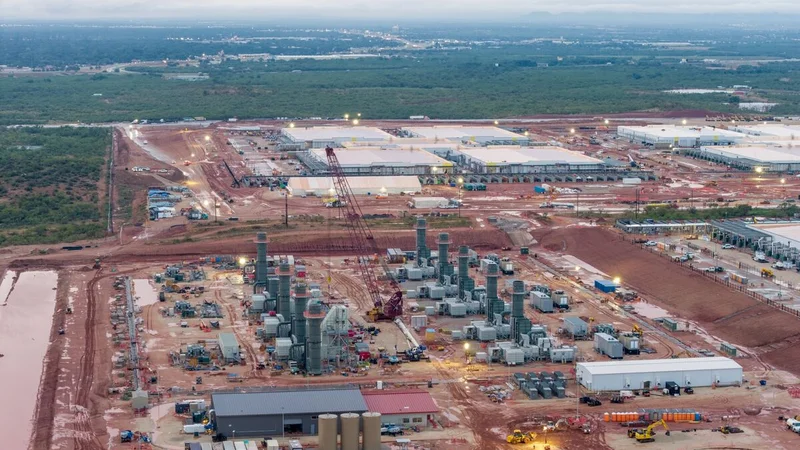
Image: Bloomberg AI
Main Takeaway
Microsoft steps in to lease massive Texas AI data center after Oracle and OpenAI abandon project, creating neighboring facilities on same 1,000-acre site.
Summary
Microsoft Secures 900MW Abandoned Oracle-OpenAI Site
Microsoft has agreed to lease a 900-megawatt data center project in Abilene, Texas that was originally developed for Oracle and OpenAI, according to multiple reports. The deal, announced Friday by developer Crusoe, gives Microsoft immediate access to massive AI computing capacity that its former partners left behind.
The site spans approximately 1,000 acres in Taylor County, Texas, and represents one of the largest data center developments in the United States. Crusoe, the developer behind the project, confirmed Microsoft will take over the full 900MW capacity that Oracle and OpenAI had previously committed to but later abandoned.
Why Oracle and OpenAI Walked Away
Oracle and OpenAI's decision to abandon the Texas site reflects shifting strategic priorities rather than technical issues. The companies had initially planned the facility as part of their broader AI infrastructure partnership, but both walked away from the commitment after reevaluating their data center strategies.
OpenAI has since focused on its Stargate project, a separate $500 billion AI infrastructure initiative announced with SoftBank and Oracle in January. This new direction made the Texas site redundant for their immediate needs. Oracle, meanwhile, appears to be consolidating its AI infrastructure investments around existing facilities and partnerships rather than expanding into new standalone projects.
The abandonment left Crusoe with a fully permitted, partially constructed facility and no primary tenant, creating the opportunity Microsoft seized.
Microsoft's Strategic Data Center Expansion
This lease represents Microsoft's largest single data center commitment to date, significantly expanding its AI computing capacity ahead of expected demand surges. The 900MW facility can power roughly 300,000 high-end AI servers, enough to support training and inference for next-generation large language models.
The Texas location offers several advantages: abundant renewable energy from West Texas wind farms, favorable tax incentives, and proximity to existing Microsoft Azure infrastructure. The company already operates multiple data centers across Texas, making this expansion a natural fit for their regional strategy.
Microsoft's Azure cloud platform has seen 40% year-over-year growth in AI workloads, driving urgent need for additional capacity. This lease provides immediate access to power and space without the 2-3 year construction timeline typically required for new facilities.
The Irony of Neighboring Facilities
In a twist highlighting the fractured relationships in AI infrastructure, Microsoft will now operate data centers literally next door to facilities it's still building for OpenAI. Crusoe confirmed Microsoft will construct two new "AI factory" buildings adjacent to the existing OpenAI-Oracle campus on the same 1,000-acre tract.
This creates an unprecedented situation where Microsoft, once OpenAI's exclusive cloud provider, will compete for the same power grid connections and infrastructure resources while supporting different AI ecosystems. The proximity could lead to bidding wars for local talent, energy contracts, and network connectivity.
The arrangement also raises questions about data security and competitive intelligence, given the close physical proximity of facilities serving potentially competing AI models.
Financial Terms and Timeline
While specific lease terms weren't disclosed, industry analysts estimate the deal values the 900MW facility at approximately $2-3 billion over a 10-15 year lease term. This represents significant savings compared to building new capacity, which would cost Microsoft an estimated $4-6 billion and take 3-4 years to complete.
Construction on the Microsoft-specific portions will begin immediately, with initial 300MW phases coming online by Q4 2026. Full 900MW capacity is expected by mid-2027, aligning with Microsoft's roadmap for next-generation AI model deployments.
The lease includes options for Microsoft to expand to 1,200MW total capacity through additional phases, suggesting this could become a long-term strategic hub for Microsoft's AI infrastructure.
Impact on the Broader AI Infrastructure Race
This deal accelerates the AI infrastructure arms race between tech giants. Google, Amazon, and Meta have all announced multi-billion dollar data center expansions this year, but Microsoft's ability to secure 900MW of ready-to-deploy capacity gives it a significant timing advantage.
The transaction also signals a maturation of the AI infrastructure market. As initial partnerships like Oracle-OpenAI fracture, companies are increasingly willing to repurpose or acquire abandoned capacity rather than build from scratch. This could create opportunities for smaller developers like Crusoe to act as infrastructure market makers.
For the broader data center industry, this validates the build-to-suit model while highlighting execution risks. Developers may become more cautious about overbuilding speculative capacity without guaranteed tenants, potentially slowing future development.
What This Means for OpenAI's Infrastructure Strategy
OpenAI's abandonment of the Texas site suggests a fundamental shift in how the company approaches infrastructure partnerships. Rather than committing to specific geographic locations, OpenAI appears to be pursuing a more flexible, multi-cloud strategy that reduces dependence on any single provider.
The company has recently signed deals with both Microsoft Azure and Oracle Cloud, while also exploring partnerships with other infrastructure providers. This diversification gives OpenAI leverage in negotiations and reduces the risk of capacity constraints affecting model development timelines.
However, walking away from 900MW of committed capacity may strain relationships with infrastructure partners and could make future deals more expensive. The move suggests OpenAI is prioritizing strategic flexibility over cost optimization in its infrastructure decisions.
Regulatory and Energy Implications
The Texas facility will tap into the ERCOT power grid, raising questions about grid stability as AI workloads concentrate in specific regions. The 900MW load represents roughly 0.3% of Texas's total electricity demand, significant enough to influence regional pricing and grid planning.
Microsoft has committed to matching the facility's energy consumption with renewable energy purchases, primarily from West Texas wind farms. This aligns with the company's 100% renewable energy commitment but may strain local grid balancing capabilities as wind generation fluctuates.
Local officials in Taylor County expect the facility to generate 200-300 permanent jobs and significant tax revenue, though concerns about water usage for cooling systems persist in the drought-prone region.
Key Points
Microsoft leased 900MW Texas data center abandoned by Oracle and OpenAI, securing massive AI computing capacity without construction delays
Deal worth estimated $2-3 billion over 10-15 years, providing immediate access to power 300,000 AI servers
OpenAI shifted focus to separate $500B Stargate project, making original Texas commitment redundant
Microsoft will operate facilities literally next door to existing OpenAI data centers on same 1,000-acre site
First 300MW phases come online Q4 2026, full 900MW by mid-2027 with expansion options to 1,200MW
FAQs
Both companies shifted strategic priorities - OpenAI focused on its separate $500B Stargate initiative, while Oracle consolidated around existing facilities rather than new standalone projects.
900MW can power approximately 300,000 high-end AI servers, enough to support training and inference for next-generation large language models at scale.
Initial 300MW phases come online Q4 2026, with full 900MW capacity expected by mid-2027.
Microsoft will operate data centers literally next door to existing OpenAI facilities on the same 1,000-acre tract, creating unprecedented competitive proximity.
Leasing saves Microsoft an estimated $4-6 billion and 3-4 years compared to building new facilities from scratch.
The deal shows market maturation - companies increasingly repurpose abandoned capacity rather than build from scratch, while partnerships like Oracle-OpenAI continue to fracture.
Source Reliability
56% of sources are trusted · Avg reliability: 72
Go deeper with Organic Intel
Our AI for Your Business systems give you practical, step-by-step guides based on stories like this.
Explore ai for your business systems