Hachette Yanks Horror Novel 'Shy Girl' in First Major AI-Text Scandal
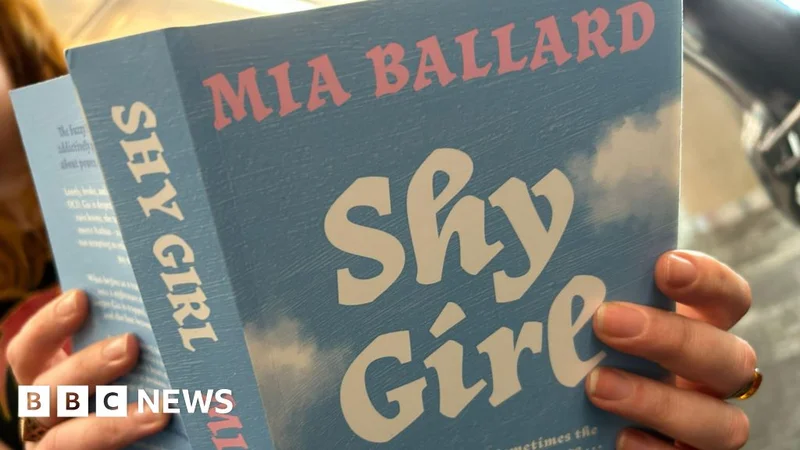
Image: Bbc
Main Takeaway
Hachette cancels US launch and withdraws UK edition of Mia Ballard's 'Shy Girl' after readers and AI-detection firms flag suspected AI writing, marking.
Summary
Why did Hachette pull 'Shy Girl' from shelves?
Hachette Book Group formally withdrew the horror novel 'Shy Girl' by Mia Ballard after an internal investigation convinced executives that large portions of the text were generated by artificial intelligence. The US release scheduled for spring 2026 has been cancelled, and the UK edition that went on sale in November 2025 is being discontinued and removed from retailers. The publisher cited a "thorough review" that revealed patterns consistent with AI output, according to statements given to The New York Times and Wall Street Journal.
What sparked the investigation in the first place?
Weeks of online sleuthing lit the fuse. Readers on Reddit, YouTube, and Goodreads began dissecting passages last year, noting repetitive phrasing and uncanny tonal shifts. AI-detection start-ups such as Pangram ran public tests claiming a 90-plus percent likelihood of machine authorship, screenshots of which went viral. Emails from concerned readers poured into Hachette’s publicity team, prompting the internal probe. The company had already shipped advance copies to reviewers and booked promotional slots, so the decision to reverse course happened under full public glare.
How has the author responded to the allegations?
Mia Ballard denies using AI herself. In brief comments to the BBC she said, "I did not use artificial intelligence to write this book," but has not yet offered detailed rebuttals or production notes that might prove human authorship. Her agent declined further interviews, citing legal advice. The stance leaves open the possibility that a collaborator, editor, or service provider introduced AI text without disclosure. Industry attorneys note that standard publishing contracts now include clauses requiring writers to certify human authorship, so the denial may become a contractual dispute.
What precedent does this set for the publishing industry?
This is the first time a big-five publisher has recalled a title over AI suspicions after release, effectively turning the clock back to zero for a book already on the market. Editors at rival houses tell Jezebel they are quietly re-running AI-detection scans on upcoming manuscripts, and several agents report clients being asked for screen-capture evidence of draft evolution. The Authors Guild is drafting a new rider that defines acceptable AI-assist levels, while Amazon’s Kindle Direct Publishing is reportedly testing watermarking tools.
Could publishers face legal fallout from AI-tainted books?
Yes, and the exposure is multi-layered. Copyright registration could be invalidated if AI training data scraped protected works, exposing Hachette to infringement claims. Consumer-protection attorneys point to potential class-action suits from buyers who paid for what they believed was human-authored art. Insurers offering media liability coverage have begun excluding AI-related claims unless writers disclose tool use. The Society of Authors is pushing for a certification stamp akin to organic food labels, arguing transparency will limit litigation risk.
How are readers and the wider literary community reacting?
Online reaction splits along generational lines. Older horror fans praise Hachette for protecting literary integrity, while younger TikTok reviewers call the recall censorship and plan bootleg PDF swaps. Goodreads ratings for 'Shy Girl' jumped from 3.8 to 4.2 overnight as curiosity downloads spiked before the listing vanished. Independent bookstores that had hosted Ballard’s virtual events report angry emails demanding refunds for signed copies now viewed as collectibles of a scandal. The controversy has overshadowed actual discussion of the novel’s plot, a femgore tale about online captivity that had earned early blurbs from respected genre voices.
What happens next for Mia Ballard and 'Shy Girl'?
Ballard’s career is in limbo. Publishers have paused consideration of her next proposal, and her UK editor at Orbit has been reassigned. Industry whisper networks suggest she may pivot to serial fiction on Substack or sell foreign-language rights where AI detection is less rigorous. Meanwhile, bootleg digital copies of 'Shy Girl' are circulating on Discord channels dedicated to AI-art controversies, ensuring the text survives even if officially suppressed. Hachette has not announced plans to pulp remaining inventory, leaving open a future limited-edition release marketed as a cultural artifact.
Key Points
Hachette Book Group has cancelled the US release and withdrawn the UK edition of Mia Ballard's horror novel 'Shy Girl' after concluding much of the text was AI-generated.
The investigation began when readers on Reddit, Goodreads, and YouTube flagged suspicious passages, and AI-detection firms reported high machine-authorship probabilities.
Author Mia Ballard denies personally using AI, leaving open questions about undisclosed collaborators or editing services.
This is the first time a big-five publisher has recalled a title post-release over AI concerns, expected to prompt industry-wide manuscript re-screening and new contract clauses.
Legal experts warn of copyright invalidation, consumer-protection suits, and insurance complications for publishers caught distributing AI texts.
FAQs
Yes. The UK edition launched in November 2025 and was selling in bookstores until the recall. The US edition was scheduled for spring 2026 and had advance copies in reviewers' hands.
Independent tests cited by readers used tools like Pangram and GPTZero. The New York Times confirmed it ran multiple detection suites that found recurring AI-like patterns.
No. Mia Ballard publicly denies using AI herself, but has not released draft evidence or detailed explanations, leaving the source of AI text uncertain.
Hachette has not announced a formal refund program; individual retailers are handling returns case-by-case.
Likely. Rival editors report quietly re-scanning upcoming titles, and agents say new manuscripts now face stricter AI scrutiny before acceptance.
Source Reliability
50% of sources are highly trusted · Avg reliability: 78
Go deeper with Organic Intel
Our AI for Your Life systems give you practical, step-by-step guides based on stories like this.
Explore ai for your life systems