Google Under Fire: 200+ Groups Demand Ban on AI Videos for Kids
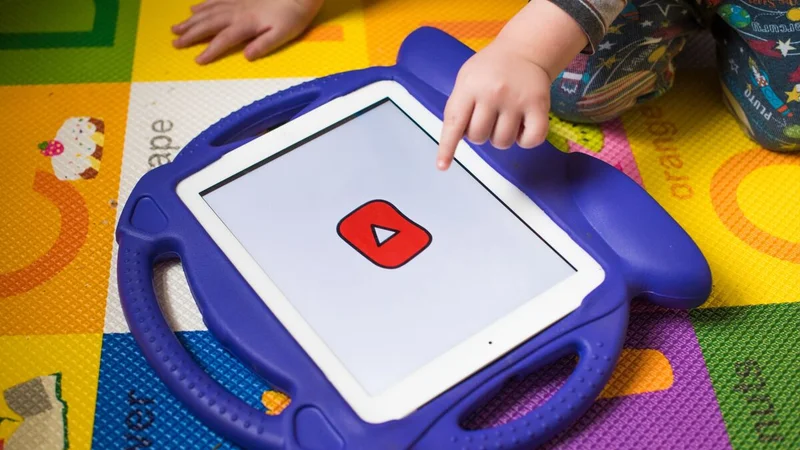
Image: Bloomberg AI
Main Takeaway
Child advocates say AI-generated content is rewiring young minds and want YouTube to ban synthetic videos entirely.
Summary
The scale of AI slop on YouTube Kids
Over 200 advocacy groups, spearheaded by Fairplay, have sent an open letter to YouTube CEO Neal Mohan demanding a complete ban on AI-generated videos for children. Their research shows that only 5% of content on the platform meets quality standards, while synthetic videos rack up millions of views. The coalition includes child psychologists, educators, and digital rights organizations who argue these low-effort productions are becoming the dominant content diet for young viewers. According to The New York Times investigation cited by multiple sources, after watching just one CoComelon video, more than 40% of recommended Shorts in a 15-minute session contained AI-generated visuals.
What child development experts are saying
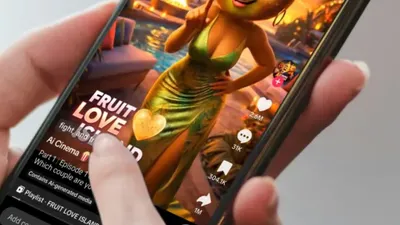
The medical consensus is blunt: this content is rewiring children's brains. Child development specialists point to videos featuring distorted cartoon characters in bizarre scenarios as particularly harmful. One viral example shows two cartoon children singing in a "utopian" car ride that garnered 50,000 views in five months. Experts warn these synthetic narratives lack the educational scaffolding and emotional authenticity that young minds need. The letter to YouTube argues that profit-driven algorithms are prioritizing engagement over developmental appropriateness, creating what researchers call "attentional casinos" for developing brains.
How the algorithm amplifies synthetic content
The mechanics are disturbingly simple. Parents hand over tablets for 15 minutes of peace, and the algorithm immediately begins pushing synthetic content. Investigators found that trusted channels like CoComelon act as gateways to AI slop - once a child watches one legitimate video, the recommendation engine floods their feed with synthetic alternatives. Creators profit handsomely from this system, with some AI-generated channels earning millions from ad revenue while producing content at industrial scale. The platform's current moderation appears reactive at best, only terminating six channels for terms violations and one for spam after public pressure.
YouTube's current response and policy gaps
Google's response so far has been incremental. The company recently announced what it calls "minor updates" to monetization policies targeting "inauthentic" content, but critics argue this doesn't address the core issue. The platform terminated a handful of channels only after media investigations, suggesting enforcement remains selective rather than systematic. YouTube maintains that existing policies cover harmful content, but the coalition argues AI-generated videos for children require specific prohibitions, not vague guidelines. The company's reluctance to implement blanket bans likely stems from the massive viewership and ad revenue these videos generate.
The regulatory pressure building behind the scenes
This campaign arrives as regulators worldwide scrutinize Big Tech's impact on children. The coalition's demand for an AI video ban follows years of YouTube controversies, from the 2017 "Elsagate" scandal to ongoing concerns about data collection from minors. Child advocates see AI-generated content as the next frontier in digital child protection, arguing that synthetic media removes even the minimal human oversight present in traditional children's programming. The letter represents escalating pressure that could lead to regulatory action if YouTube doesn't act voluntarily.
What happens next for parents and creators
For parents, the immediate advice remains manual: monitor viewing sessions, disable autoplay, and use curated playlists. But advocates want systemic change, not individual workarounds. Content creators face an uncertain landscape - while human-made children's content might benefit from reduced AI competition, any blanket ban could sweep up legitimate educational uses of AI tools. The coalition has given YouTube a deadline to respond, threatening to escalate to regulatory bodies if demands aren't met. For now, the algorithm keeps feeding kids synthetic dreams while the adults argue over who's responsible.
Key Points
Over 200 advocacy groups led by Fairplay demand YouTube ban all AI-generated videos for children, citing developmental harm and low quality
Investigations reveal 40% of recommended children's videos become AI-generated after viewing just one legitimate channel
YouTube's current response involves minor monetization policy changes and selective channel terminations rather than comprehensive bans
Child development experts warn synthetic content lacks educational value and may negatively impact developing brains
The campaign represents escalating regulatory pressure on Google's handling of children's digital safety
FAQs
AI slop refers to low-quality, mass-produced synthetic videos featuring distorted cartoon characters in bizarre scenarios, often generated entirely by AI tools and lacking educational value or human oversight.
Research shows that after children watch just one legitimate video like CoComelon, algorithms push AI-generated content to over 40% of their recommended videos within 15 minutes.
The coalition demands YouTube and Google implement a complete ban on AI-generated videos being shown or recommended to children across both YouTube and YouTube Kids platforms.
YouTube has made minor policy updates targeting "inauthentic" content and terminated seven channels for violations, but has not implemented the comprehensive ban advocates demand.
Parents should disable autoplay, use curated playlists, monitor viewing sessions manually, and avoid letting algorithms control children's content selection until better protections exist.
Source Reliability
70% of sources are trusted · Avg reliability: 70
Go deeper with Organic Intel
Our AI for Your Life systems give you practical, step-by-step guides based on stories like this.
Explore ai for your life systems