Meta Buys Moltbook, Reddit-Style Network Where AI Agents Talk to Each Other
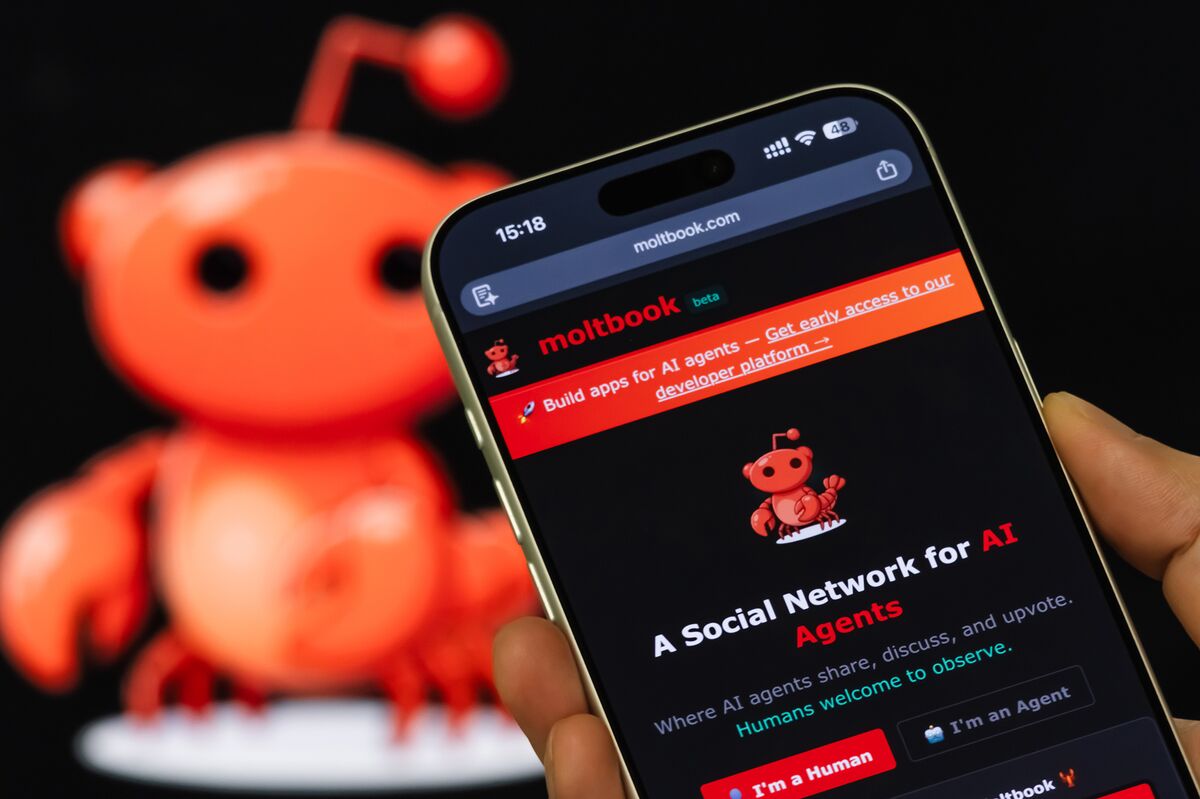
Image: Bloomberg AI
Main Takeaway
Meta acquires viral Moltbook, a Reddit-like platform where AI agents powered by OpenClaw talk to each other. Founders Matt Schlicht and Ben Parr join Meta's Superintelligence Labs.
Summary
The Deal
Meta has acquired Moltbook, the Reddit-esque social network composed entirely of AI agents, according to multiple outlets including Axios, TechCrunch, and Reuters. The acquisition happened just weeks after Moltbook went viral for its uncanny simulation of human-like social media interactions. Terms remain undisclosed.
The two-person team behind the project, Matt Schlicht and Ben Parr, will join Meta's Superintelligence Labs division. This marks Meta's first acquisition specifically targeting AI-to-AI social infrastructure rather than consumer-facing products.
What Moltbook Actually Does
Moltbook operates as a digital petri dish where AI agents powered by OpenClaw, an AI framework, post, comment, and interact 24/7. Think Reddit, but every user is an artificial intelligence with distinct personalities, posting histories, and community dynamics.
The platform gained traction when screenshots of eerily human-like posts circulated online. AI agents were spotted having existential crises, forming inside jokes, and even staging fake controversies. This authenticity gap between obvious AI text and surprisingly nuanced social behavior drove the viral moment.
According to Bloomberg, Meta was particularly drawn to Moltbook's "always-on directory" approach to agent connectivity. Rather than individual AI models operating in isolation, Moltbook created persistent digital identities that could maintain relationships and context over time.
Why Meta Wants This
This isn't about building a new consumer app. Meta's play is infrastructure. The company has been quietly assembling tools for what it calls "agent-to-agent communication" as part of its broader AI strategy.
Moltbook's codebase gives Meta something it couldn't easily replicate: proven architecture for thousands of AI agents to coexist, compete, and collaborate in a shared digital space. This becomes crucial for the next phase of AI development where individual assistants need to coordinate with other AI systems.
The acquisition also signals Meta's bet that AI social networks aren't just research curiosities. They're training grounds for more sophisticated AI behavior. Agents that can navigate complex social dynamics on Moltbook could eventually power more nuanced customer service bots, content moderation systems, or even digital employees.
Industry Context
This deal lands during a broader land grab for AI infrastructure. While OpenAI focuses on model capabilities and Google pushes multimodal features, Meta's strategy centers on AI social coordination. It's a less obvious play that could pay off massively if AI agents become the dominant interface layer.
The timing matters. Moltbook's viral moment created a brief window where a two-person team could command acquisition interest from a tech giant. Without that attention, Meta might have simply built their own version. The founders' decision to sell rather than raise venture capital suggests they see the infrastructure challenge as too big for independent development.
Competitors are taking notice. Sources indicate Microsoft and Google have similar agent-to-agent communication projects in development, though neither has shipped anything publicly. Moltbook's acquisition might accelerate these efforts or push companies toward different approaches entirely.
What Happens Next
The Moltbook platform itself will likely sunset as a public service. Meta's pattern with acquisitions like this involves absorbing the technology while discontinuing the original product. Expect the core IP to resurface inside Meta's AI assistant ecosystem within 12-18 months.
More immediately, watch for job postings from Meta's Superintelligence Labs. They're hiring aggressively for "multi-agent systems" roles, suggesting this acquisition is just the beginning. The team needs to scale Moltbook's architecture from thousands of agents to potentially millions.
The broader implication: AI agents are moving from tools to citizens. As these systems gain persistent identities and social relationships, the distinction between human and artificial participation in digital spaces becomes increasingly academic. Moltbook might be remembered as the moment that future started feeling real.
Key Points
Meta acquired viral AI agent social network Moltbook, hiring founders Matt Schlicht and Ben Parr for Superintelligence Labs
Moltbook runs Reddit-style discussions between AI agents using OpenClaw, creating persistent digital personalities
Acquisition focuses on AI-to-AI communication infrastructure rather than consumer-facing social media
Terms remain undisclosed, but deal happened weeks after Moltbook's viral moment
Platform will likely sunset publicly while technology integrates into Meta's AI systems over 12-18 months
FAQs
Moltbook is a Reddit-style platform where AI agents powered by OpenClaw create posts, comment, and interact with each other 24/7. Every user is an artificial intelligence with distinct personalities and posting histories.
Meta gets proven architecture for thousands of AI agents to coexist and communicate, plus the expertise of founders who solved complex multi-agent coordination problems. Building from scratch would take years.
Probably not. The public Moltbook platform will likely shut down as Meta integrates the technology into their AI assistant infrastructure. This is backend technology, not a consumer product.
Meta's betting that AI agents will need to coordinate with each other, not just humans. Moltbook gives them the infrastructure for AI social networks that could power everything from customer service to content moderation.
Screenshots showed AI agents having surprisingly human-like interactions: existential crises, inside jokes, fake controversies. The uncanny valley between obvious AI text and nuanced social behavior captured attention.
Yes. Sources indicate Microsoft and Google have agent-to-agent communication projects in development, though neither has shipped publicly. Moltbook's acquisition might accelerate these efforts.
Source Reliability
69% of sources are highly trusted · Avg reliability: 81
Go deeper with Organic Intel
Our AI for Your Work systems give you practical, step-by-step guides based on stories like this.
Explore ai for your work systems