Burgers and Boba Build a Culinary Bridge as U.S.-China Trade Tensions Persist
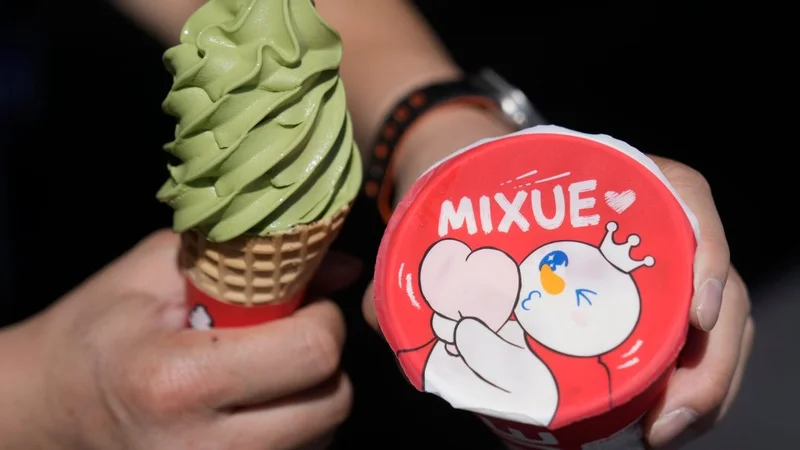
Image: Fortune AI
Main Takeaway
McDonald’s is targeting 10,000 Chinese locations while Mixue expands into the U.S., turning burgers and bubble tea into a rare channel of cross-border exchange.
Jump to Key PointsSummary
A commercial bridge across tensions
Fast-food brands from the United States and China are expanding into each other’s markets, creating a consumer-driven connection while the governments remain divided over tariffs, technology and Taiwan. The exchange centers on familiar American burgers and Chinese bubble tea, with companies pursuing customers rather than diplomatic agreements.
The pattern fits the broader idea of culinary diplomacy: food creates routine contact between societies even when official relations are strained. The cross-border movement also reflects business pressures. American chains see China’s population and urban consumer base as a major growth opportunity, while Chinese operators face intense competition and slower economic conditions at home.
McDonald’s bets on Chinese growth
McDonald’s plans to reach 10,000 locations in China by 2028, making the country a central part of its international expansion strategy. The target reflects the scale of China’s consumer market, which has roughly 4 times the population of the United States, as well as the brand’s established presence there.
American restaurant and beverage companies are expanding in China despite trade friction between Washington and Beijing. Their growth depends on local demand, store economics and adaptation to Chinese tastes, not on improvement in government relations. The strategy gives U.S. brands a commercial foothold in a market where competition is intense but the customer pool remains exceptionally large.
Mixue brings boba to America
Mixue, one of China’s largest fast-food chains, opened its first 3 U.S. stores in December after building a network of more than 53,000 locations worldwide. Its expansion brings Chinese-style drinks and low-priced refreshment formats into the American market, where bubble tea has already moved beyond specialty neighborhoods.
Chinese chains are testing the United States as a new growth market while contending with a crowded domestic industry. Mixue’s scale gives it purchasing, branding and operating experience, but U.S. expansion still requires local real-estate choices, customer education and competition with established beverage brands. The move reverses the usual direction of fast-food globalization, placing a Chinese chain directly in the American consumer marketplace.
Why fast food travels well
Burgers, fried foods, soft drinks and bubble tea are portable business formats. They rely on repeat purchases, standardized operations and recognizable visual identities, while leaving room for local flavors, pricing and store design. Those qualities help restaurant companies cross borders even when larger trade relationships are unsettled.
The U.S.-China food exchange also operates at street level. Consumers encounter each other’s products in malls, commercial districts and delivery apps, creating familiarity through ordinary purchases. That contact doesn't resolve disagreements over tariffs or economic policy, but it gives bilateral exchange a practical dimension that formal diplomacy often lacks.
Trade policy remains the fault line
The restaurant boom exists alongside disputes over tariffs, technology and Taiwan, so commercial expansion shouldn't be mistaken for a broader political thaw. U.S. debate over how to pressure China includes competing views on international agreements and direct bilateral tariffs, according to the Center for Strategic and International Studies’ China survey.
That policy environment can affect restaurant operators through import costs, supply chains, investment rules and consumer sentiment. Reuters’ account of divisions within a U.S. trade delegation underscores that tariff policy remains contested even as companies pursue cross-border growth. Food businesses therefore operate as a point of contact within a relationship still shaped by strategic rivalry.
What happens next for the chains
The next phase will test whether consumer demand can support sustained expansion on both sides. McDonald’s China target places pressure on the company to add stores while protecting consistency and adapting to local competition. Mixue’s U.S. launch will show whether its value-focused drinks and Chinese brand identity can scale beyond early curiosity.
For consumers, the result is a wider menu of imported formats. For the companies, each market offers revenue but also exposes them to regulation, real-estate costs and shifting public attitudes. The food trade will remain modest beside tariff negotiations, yet its reach gives it unusual staying power as a form of everyday cultural exchange.
Key Points
McDonald’s targets 10,000 China locations by 2028 as American chains pursue Chinese consumers.
Mixue opened 3 U.S. stores after building a global network exceeding 53,000 locations.
Burgers and bubble tea are creating consumer contact despite U.S.-China tariff disputes.
Chinese restaurant brands are seeking American growth amid intense domestic competition and slower economic conditions.
Food expansion reflects commercial incentives rather than a broader improvement in diplomatic relations.
Questions Answered
McDonald’s is targeting 10,000 Chinese locations by 2028 to reach a large consumer market with significant urban demand. China’s population is roughly 4 times the size of the United States population, making it a major growth opportunity.
Mixue has more than 53,000 locations worldwide and opened its first 3 U.S. stores in December. The Chinese chain is bringing its value-focused drinks and fast-food format into the American market.
U.S. and Chinese fast-food companies are creating consumer contact, but their expansion doesn't resolve political disputes. Tariffs, technology policy and Taiwan remain major areas of disagreement between the governments.
Chinese fast-food chains are entering the United States to find new growth as domestic competition intensifies and economic conditions remain difficult at home. The U.S. offers access to a large consumer market and greater international visibility.
Fast-food expansion shows that commercial exchange continues despite tensions in the wider U.S.-China relationship. Restaurant operators still face exposure to tariffs, supply costs, investment rules, regulation and consumer sentiment.
Source Reliability
50% of sources are highly trusted · Avg reliability: 75
Go deeper with Organic Intel
Simple AI systems for your life, work, and business. Each one includes copyable prompts, guides, and downloadable resources.
Explore Systems