Apple Intelligence Takes Over iPhone Photos with AI Editing Overhaul
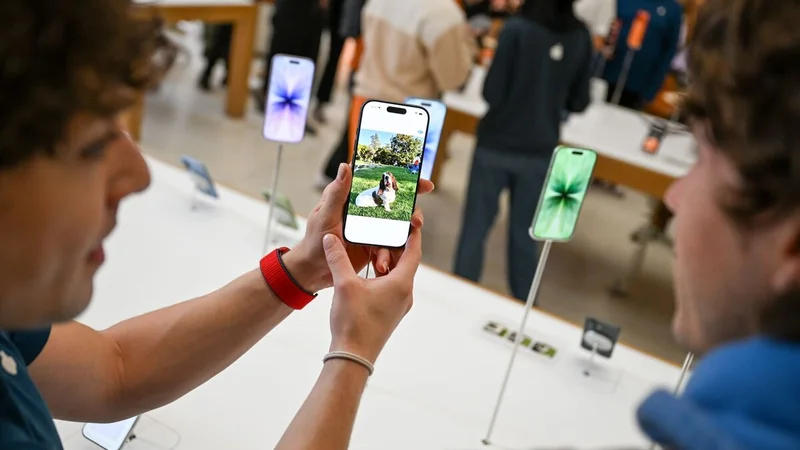
Image: Bloomberg AI
Main Takeaway
iOS 27 will bring AI-powered photo editing to every iPhone, iPad and Mac this fall, marking Apple's biggest Photos app upgrade in years.
Jump to Key PointsSummary
The planned AI photo editing overhaul
Apple is preparing its largest Photos app update since 2015, according to multiple reports. The company will roll out AI-powered editing tools across iPhone, iPad and Mac this fall as part of iOS 27, iPadOS 27 and macOS 28. Bloomberg's Mark Gurman reports the overhaul centers on Apple Intelligence, the same platform powering other AI features across Apple's ecosystem. The move represents Apple's first major response to Google's AI photo editing dominance on Android devices.
Unlike previous photo updates that added filters or minor adjustments, these tools will use generative AI to perform complex edits previously requiring third-party apps. Sources tell Bloomberg the features include automatic object removal, background replacement and intelligent photo enhancement. The timing suggests Apple wants these features ready for the iPhone 19 launch cycle this September.
What this means for iPhone photographers
The new tools will essentially bake professional-grade editing into every iPhone camera roll. Users can remove unwanted people from backgrounds, replace dull skies with dramatic sunsets, or enhance facial features with a single tap. Sources familiar with Apple's plans say the AI understands photo context, suggesting edits that match the scene rather than applying generic filters.
This shifts the iPhone from a capture device to a complete photography workflow. No more bouncing between apps for serious editing. The integration runs deeper than current third-party offerings since Apple Intelligence processes images on-device, preserving privacy while maintaining the speed users expect from native apps.
Battle for mobile photo supremacy intensifies
Google's Pixel phones have dominated AI photo editing since Magic Eraser launched in 2021. Samsung followed with Galaxy AI features this year. Apple's entry represents the final major platform adding comparable capabilities, effectively ending the AI photo editing arms race that started three years ago.
The timing isn't accidental. Apple's smartphone market share slipped slightly in Q1 2026 while Samsung and Google gained ground. Adding AI photo features addresses one of the most visible gaps between iPhone and Android experiences. For consumers choosing between flagship phones, photo editing capabilities often serve as a deciding factor.
Impact on third-party editing apps
Adobe Lightroom, Pixelmator Pro and VSCO face immediate pressure. These apps built businesses around features Apple will now offer free. Sources suggest Apple isn't trying to replace professional workflows, but casual users who paid $50-100 annually for editing subscriptions might cancel.
The shift mirrors what happened to flashlight apps when Apple added a built-in flashlight, or weather apps when iOS Weather improved. Third-party developers must now compete on advanced features like raw editing, layer support and cloud workflows rather than basic AI enhancements.
Privacy implications of on-device processing
Apple's approach processes AI edits locally using the Neural Engine in A18 and M4 chips. This differs from Google's cloud-based processing, which uploads photos for AI analysis. The trade-off: Apple's tools might feel slower or less powerful, but user photos never leave the device.
Sources indicate Apple will offer cloud processing as an opt-in for more intensive edits, clearly labeling which features require internet access. This positions Apple as the privacy-first option in AI photo editing, a differentiation that could sway users concerned about uploading personal photos to third-party services.
Technical capabilities revealed
The three core features detailed in developer builds include: Clean Up, which removes objects and people; Scene Shift, replacing backgrounds with AI-generated alternatives; and Portrait Pro, enhancing faces with natural-looking adjustments. Each tool leverages Apple Intelligence's understanding of depth, lighting and subject matter.
Unlike generative fill tools that sometimes create bizarre artifacts, Apple's implementation focuses on realistic results. Beta testers report the AI maintains photo authenticity while fixing common issues like closed eyes or unwanted photobombers. The system learns from the Photos app's existing People and Places data to make contextually appropriate suggestions.
What happens next for Apple Intelligence
This photo editing push signals Apple's broader AI strategy. Sources say Apple Intelligence will expand into video editing for iOS 28, with similar AI tools for iMovie and Final Cut Pro. The company reportedly views creative tools as the most consumer-friendly way to demonstrate AI capabilities.
Expect Apple to preview these features at WWDC 2026 in June, with public betas starting July. The full rollout begins September alongside new hardware. Third-party developers will get API access to Apple Intelligence photo features, potentially sparking a new wave of creative apps built on Apple's AI foundation.
Key Points
iOS 27 brings native AI photo editing to all Apple devices this fall, eliminating need for third-party apps
Three core features: automatic object removal, AI background replacement, and intelligent portrait enhancement
On-device processing via Apple Intelligence preserves privacy while competing with Google's cloud-based tools
Third-party photo editing apps face immediate disruption as Apple offers these capabilities for free
Marks Apple's first major response to Android's AI photo editing dominance since 2021
Questions Answered
Apple will preview the features at WWDC 2026 in June, release public betas in July, and launch fully with iOS 27 in September alongside new iPhone hardware.
The features require Apple Intelligence, meaning you'll need an iPhone with A18 chip or later (likely iPhone 16 and newer), plus sufficient storage for on-device processing.
No, Apple processes AI edits locally using the Neural Engine. Cloud processing is only available as an opt-in for more intensive features, with clear user consent.
Not necessarily. While casual users might find Apple's tools sufficient, professionals still need Lightroom's advanced features like raw editing, layers and cloud workflows.
Apple's implementation focuses on realistic results and privacy through on-device processing, while Google's cloud-based approach offers more powerful but less private editing.
Yes, Apple will provide API access to Apple Intelligence photo capabilities, allowing developers to build new creative apps on top of Apple's AI foundation.
Source Reliability
44% of sources are trusted · Avg reliability: 73
Go deeper with Organic Intel
Simple AI systems for your life, work, and business. Each one includes copyable prompts, guides, and downloadable resources.
Explore Systems