YouTube Tests AI Search That Talks Back, Serving Clips and Answers in One Shot
Image: The Verge AI
Main Takeaway
Google rolls out Ask YouTube and AI Overviews-style results to Premium users, turning video search into a conversational Q&A engine.
Jump to Key PointsSummary
What Google is shipping
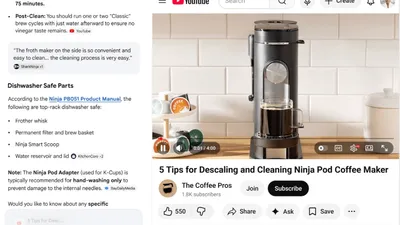
YouTube is running two parallel AI tests for U.S. Premium subscribers 18 and older. The first, announced June 26, drops an AI Overviews-style carousel atop search results for shopping, travel, and local activity queries. The second, quietly added in late April, surfaces an “Ask YouTube” button in the search bar that opens a chat side-panel. Users type or speak questions and receive step-by-step answers stitched together from long-form videos, Shorts, and auto-generated text snippets. Both features are opt-in and live only on mobile and web for now.
How the experience actually works
Tap the search bar, hit “Ask YouTube,” and the interface flips into a conversational view. Ask “How do I fix a leaky faucet?” and the model returns a bulleted summary, a 30-second clip from a plumber’s tutorial, and a follow-up prompt like “What tools do I need?” Each response cites one or more videos with timestamps, letting users jump directly to the relevant section. Swipe right and the carousel version shows a horizontal row of thumbnail previews, each paired with a one-sentence AI summary and the creator’s channel name. Both modes let you refine queries without leaving the page.
Creator revenue and viewer attention
Early usage data isn’t public, but Ars Technica notes the obvious risk: if the AI carousel answers the question, fewer people click through to watch, comment, or subscribe. That could sand down watch time and ad impressions for creators who rely on mid-roll revenue. Conversely, Tubefilter points out that snippets might surface smaller channels that would otherwise rank on page three, potentially leveling discovery. Google hasn’t said whether creators can opt out of having their content summarized or if they’ll get a cut of any future ad inventory placed inside the chat panel.
Platform and competitive ripple effects
YouTube’s move mirrors what Google already did to web search, but the stakes here are higher because video is the dominant medium for Gen Z queries. By bolting a conversational layer onto its 2.7 billion monthly users, Google preempts TikTok’s own search ambitions while giving advertisers a new surface to sponsor. Expect Amazon, Meta, and even Spotify to fast-track similar hybrid video-and-text answer engines. For developers, the rollout signals that Google’s Gemini API will increasingly mediate how audiences discover content, making structured metadata and chapter timestamps more valuable than ever.
Rollout roadmap and availability
The carousel is limited to English-language queries in the U.S. and focuses on high-intent verticals like shopping and travel. Ask YouTube is broader, handling how-to, recipe, and general knowledge questions, but still restricted to Premium accounts. Google says it will “expand to more countries and languages” later this year, with TV and living-room devices next in line. No public timeline exists for a free-tier launch, though precedent suggests the features will exit Labs and become default within 12–18 months.
What happens next
Watch for three signals: first, whether watch time drops for creators whose content is heavily summarized; second, if Google introduces sponsored snippets or affiliate links inside the chat; and third, how quickly competitors like TikTok and Instagram ship their own answer bots. Developers should start optimizing for AI discoverability now: add clear chapters, concise on-screen text, and transcripts. If you’re a Premium user, opt in and test both modes; the feedback you give Google this quarter will shape the final product everyone else sees next year.
Key Points
YouTube Premium users in the U.S. can now try two AI search modes: an AI Overviews carousel and a conversational Ask YouTube chat.
Ask YouTube returns step-by-step answers stitched from videos, Shorts, and text snippets, letting users jump to exact timestamps.
The features target high-intent queries like recipes, travel, and DIY, with plans to expand languages and roll out to TVs later this year.
Creators risk lower watch time if viewers rely on AI summaries, while Google gains new ad inventory and defends against TikTok search growth.
No creator opt-out or revenue-share details have been disclosed, raising questions about fair use of video content for AI training.
Questions Answered
YouTube Premium subscribers in the United States who are 18 or older. Access is opt-in via youtube.com/new.
No. Summaries appear only when your query triggers the AI carousel or Ask YouTube mode, mostly for how-to, shopping, travel, and local activity searches.
Possibly. Google hasn’t released data, but less clicking means fewer ad impressions and lower watch time, which could hurt revenue unless new monetization layers are added.
Yes. Both features are experimental and can be disabled in YouTube Labs settings. There’s currently no creator-side opt-out for having content summarized.
Google hasn’t announced a date, but similar Labs features usually reach the free tier 12–18 months after Premium testing begins.
Google hasn’t clarified whether user queries or video content are retained for model training; check the YouTube Labs privacy notice for updates.
Source Reliability
44% of sources are highly trusted · Avg reliability: 77
Go deeper with Organic Intel
Simple AI systems for your life, work, and business. Each one includes copyable prompts, guides, and downloadable resources.
Explore Systems