Apple Ditches Reality Constraint With Ambitious AI Photo Editing Overhaul at WWDC 2026
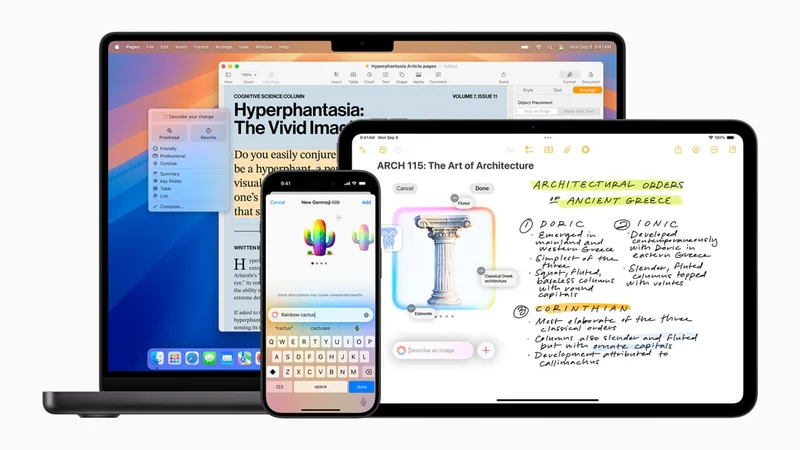
Image: Apple
Main Takeaway
Apple unveiled photorealistic AI editing tools at WWDC 2026 including tap-to-edit controls and spatial reframing, reversing its earlier caution.
Jump to Key PointsSummary
Why Apple reversed course on AI photo editing
Apple once openly questioned whether generative AI editing was worth distorting human perception of reality. At WWDC 2026, the company abandoned that stance entirely, announcing a sweeping suite of AI-powered photo tools across iOS 27, iPadOS 27, and macOS 27 Golden Gate. The Verge notes this marks a philosophical pivot: Apple no longer believes photos must accurately capture the world. Instead, the company is leaning into what sources describe as the "fantasy" of AI manipulation.
The shift did not happen in isolation. TechCrunch reported last year that Apple was already "salvaging" Image Playground through ChatGPT integration, expanding style options beyond the emoji-like creations that drew early criticism. That partnership laid groundwork for this broader embrace of generative imagery. Seattle Times reporting from April indicated Apple was developing on-device AI models capable of extending, enhancing, and reframing images in seconds.
What changed in Image Playground
The standalone Image Playground app, previously criticized for low-quality output, received its most significant upgrade since launch. Apple added tap-to-edit controls and new AI models enabling photorealistic image generation, according to Ground. Users can now place generated images on lock screens and posters, moving beyond the cartoonish aesthetic that defined earlier versions.
Apple's official documentation confirms users can combine up to seven elements, concepts, themes, expressions, costumes, accessories, and places to create original images. The App Store description emphasizes the experience was "built from the ground up to be easy." This represents a deliberate sanding down of friction that previously limited adoption. TechCrunch's early assessment that Image Playground "kind of sucked" no longer applies to the same degree, though real-world quality remains to be tested at scale.
New Photos app features target serious editing
Beyond Image Playground, Apple's native Photos app gained substantive AI capabilities. TechCrunch reports a spatial "Reframe" feature uses AI to adjust perspectives after capture, correcting compositional errors like accidentally captured signs or off-center framing. This operates similarly to existing third-party tools but with the advantage of native integration and on-device processing.
Bloomberg reporting via MacRumors indicates on-device Apple Intelligence can make "subtle changes" to images without cloud dependency. Processing typically takes seconds, addressing a key friction point in mobile editing. The Seattle Times noted these tools represent Apple's attempt to better compete with Android devices, which have led in AI-powered photography. Apple's differentiation lies in its privacy-first architecture, keeping sensitive image data on device rather than transmitting to external servers.
The technical foundation Apple is building
Apple's AI push rests on concrete technical investments, not just interface polish. MacRumors forum users highlighted Apple's release of Pico-Banana-400K, a 400,000-image dataset specifically designed to improve text-prompted photo editing. This dataset targets a persistent challenge in generative AI: translating natural language instructions into precise visual modifications.
The dataset release signals Apple's longer-term commitment to owning the full AI stack, not just licensing models. It also suggests the company recognizes competitive gaps, third-party apps like PhotoDirector and Playground already offer robust AI editing on iOS. Apple's challenge is matching or exceeding that functionality while maintaining its design minimalism. The technical depth here matters: on-device processing for complex generative tasks requires substantial neural engine optimization that few competitors can replicate at Apple's scale.
What this signals about Apple's AI strategy
Apple's approach to AI remains distinctive even as it expands capabilities. AppleInsider observes that Apple continues treating AI as a "background tool, not a flagship feature." The Image Playground revamp and Photos app upgrades arrive without the fanfare or standalone branding that OpenAI or Google would deploy. This reflects corporate DNA: Apple integrates, it doesn't announce.
Yet the strategic shift is real. Where Apple once emphasized authenticity in imaging, it now accommodates, even encourages, synthetic creation. The competitive pressure from Samsung, Google, and Chinese OEMs with aggressive AI camera features likely forced this hand. Apple's bet is that its user base will accept AI manipulation if the interface feels intuitive and the privacy promises hold. Whether this undermines the company's historical positioning around "real" photography remains an open question as these tools roll out to hundreds of millions of devices.
What happens next for users and competitors
iOS 27, iPadOS 27, and macOS 27 Golden Gate will ship with these features later this year, per Apple's WWDC timeline. Developers and early adopters will test whether photorealistic outputs match demo quality, a persistent gap in generative AI marketing. For competitors, Apple's entry validates the market but raises the stakes: native integration across Apple's installed base creates distribution advantages no app store competitor easily matches.
Third-party editing apps face immediate pressure. PhotoDirector, Playground, and similar tools built businesses around AI features Apple now offers free and pre-installed. The likely response is specialization, advanced features Apple won't bother with, or platform pivoting to Android and desktop where Apple's integration is weaker. For everyday iPhone users, the practical impact is lower friction for creative expression, and fewer excuses for bad photos.
Key Points
Apple announced photorealistic AI photo editing tools across iOS 27, iPadOS 27, and macOS 27 at WWDC 2026.
Image Playground gained tap-to-edit controls and new AI models replacing its criticized cartoonish output style.
A spatial Reframe feature in Photos app uses on-device AI to adjust image perspectives after capture.
Apple released Pico-Banana-400K dataset to improve text-prompted photo editing model training.
The moves reverse Apple's earlier public skepticism about generative AI distorting perceptions of reality.
Questions Answered
Apple announced upgraded Image Playground with photorealistic generation and tap-to-edit controls, plus a spatial Reframe feature in the Photos app. These tools run on-device through Apple Intelligence across iOS 27, iPadOS 27, and macOS 27 Golden Gate.
Apple previously questioned whether generative AI editing was worth distorting human perception of reality. The Verge reports Apple no longer believes photos must accurately capture the world, marking a philosophical shift toward embracing synthetic image creation.
Earlier Image Playground generated low-quality, emoji-like cartoon images that critics found uncompetitive. The 2026 version adds photorealistic output, lock screen and poster placement, and combination of up to seven visual elements through simplified tap controls.
Pico-Banana-400K is Apple's curated dataset of 400,000 images designed to train AI systems for text-prompted photo editing. Apple released it to improve how models translate natural language instructions into precise visual modifications.
Native free integration across Apple's installed base pressures paid third-party apps like PhotoDirector and Playground. Competitors may pivot to specialized advanced features or alternative platforms where Apple's integration advantage is weaker.
Apple processes AI photo editing on-device through Apple Intelligence, avoiding cloud transmission of sensitive image data. This architecture supports the company's privacy positioning while enabling features like Reframe with typical processing times of a few seconds.
Source Reliability
60% of sources are highly trusted · Avg reliability: 77
Go deeper with Organic Intel
Simple AI systems for your life, work, and business. Each one includes copyable prompts, guides, and downloadable resources.
Explore Systems