AI License Plate Surveillance Turns Everyday Driving Patterns Into Police Suspicion
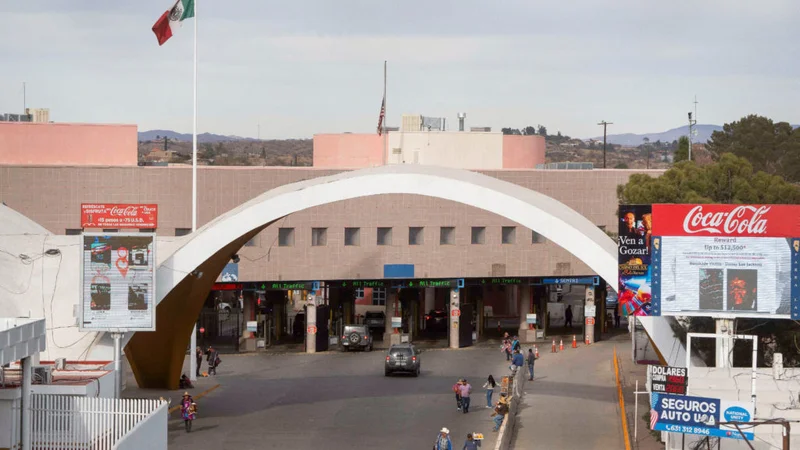
Image: Pbs
Main Takeaway
AI-powered license plate systems are helping police and federal agents flag drivers based on travel patterns, raising fresh privacy and civil-rights concerns.
Jump to Key PointsSummary
How travel becomes suspicion
AI-powered license plate systems are shifting some police surveillance from investigating known suspects to identifying drivers whose movements appear unusual. Automated license plate readers capture vehicle plates, locations, makes and models, then software analyzes routes and travel histories for patterns that authorities label suspicious.
The American Civil Liberties Union described the shift in an October 26 report, while the Brennan Center for Justice and Policing Project placed license plate analytics within a broader expansion of AI tools used to detect anomalies, map associations and predict crime. These systems draw on police records, commercial data, social media monitoring and camera networks. The result is a form of suspicion generated from movement itself, even when officers have no specific allegation of a crime.
Grace Knowles and the traffic stop
A traffic stop involving Grace Knowles illustrates how an ordinary road trip can become part of an algorithmic suspicion chain. Knowles, a woman in her 20s from northern Virginia, drove through Oregon, Texas and Louisiana in September 2025 before heading toward Florida. An officer stopped her after following her vehicle and cited the amount of time she had spent in the left lane.
The ACLU says her experience reflects a wider concern: license plate data can identify a vehicle’s past locations, while an officer can use a minor traffic explanation to initiate a stop after a system has drawn attention to the driver. The account connects an individual encounter to the broader systems described by the Associated Press and PBS, in which federal agents can flag vehicles for local police based on origin, destination and route.
Flock Safety and connected cameras
Flock Safety is one of the companies whose license plate technology has drawn scrutiny because its systems connect vehicle sightings across time and place. ALPR cameras record plates and identifying vehicle characteristics, creating searchable records that can help investigators reconstruct travel patterns.
Those records can come from public traffic cameras and privately owned security cameras, then be shared with or sold to police departments, according to The Drive. The technology therefore reaches beyond a single roadside encounter. A network can build a profile of frequently visited locations and recurring routes, while data fusion software combines those records with other government and commercial information. The Policing Project describes related AI uses that track locations, identify associations and detect alleged suspicious events.
Federal reach and local stops
A federal program described by the Associated Press has monitored millions of drivers nationwide through a network of cameras and algorithmic travel analysis. Border Patrol agents can flag vehicles and alert local law enforcement, leading to stops, searches and, in some cases, arrests. Drivers have been cited for ordinary violations such as speeding, failing to signal, improper window tint or an air freshener obstructing visibility.
That structure creates a layered accountability problem. A local officer conducts the stop, but the initial suspicion can originate in a federal system using data gathered far from the encounter. The ACLU warns that people may have no practical way to learn why they were selected, while the Brennan Center says opaque data fusion tools can generate inaccurate conclusions and reinforce existing bias.
Accuracy, bias and civil rights
The central risk is that a system can convert ordinary behavior into evidence of wrongdoing without proving that a crime occurred. A route across several states, repeated visits to a particular area or an association with another vehicle can reflect work, family obligations, travel or coincidence. Software can still rank those patterns as suspicious, and officers can interpret the ranking as a reason to investigate.
Civil-rights groups warn that the consequences include invasive searches, unequal enforcement and a chilling effect on movement and association. The Brennan Center identifies risks involving biased data, unreliable predictions and weakened free-expression rights. The Policing Project also notes that the effectiveness of several policing AI applications remains unclear. These concerns become sharper when agencies combine ALPR data with arrest records, brokered information, social media and video surveillance.
What happens next
The debate now centers on rules for collection, retention, sharing and use of license plate data. Clear limits would need to address how long records remain searchable, when police can query them, whether federal agencies can refer vehicles to local departments and what notice or review drivers receive after a stop.
The technology’s use is expanding faster than public understanding of its safeguards. Police departments describe AI as a way to solve cases and identify threats, but civil-rights advocates are asking whether a prediction should justify a stop, search or arrest. The answer will shape whether license plate readers remain investigative tools tied to specific cases or become a nationwide system for screening everyday travel.
Key Points
Police are using AI license plate analysis to flag drivers based on travel patterns rather than specific crimes.
ALPR networks record vehicle locations, plates and characteristics across public and privately owned cameras.
Border Patrol can refer algorithmically flagged vehicles to local officers for traffic stops and searches.
The ACLU says automated suspicion threatens privacy, movement, association and protection from unreasonable searches.
Civil-rights researchers warn that opaque policing AI can amplify bias and produce inaccurate investigative leads.
Questions Answered
Police use AI with automated license plate readers to analyze vehicle locations, routes and travel histories. Systems can flag patterns for further investigation even when officers have no specific crime suspect.
An automated license plate reader captures license plates and related vehicle details, including location and identifying characteristics. Police can combine those records with camera networks, government databases and commercial information.
Border Patrol has used a camera and algorithmic intelligence program to flag vehicles based on their origins, destinations and routes. Local officers may then stop those drivers for stated traffic reasons, according to an Associated Press investigation published by PBS.
The ACLU says AI-generated suspicion can turn ordinary travel into grounds for police stops and searches. It also argues that drivers often lack a meaningful way to understand or challenge the data behind those decisions.
Flock Safety is a major license plate surveillance provider identified in the coverage. Its technology operates within a wider ecosystem of public cameras, privately owned security systems, police databases and commercial data sources.
Lawmakers and courts will face questions about retention periods, data sharing, transparency, human review and the legal basis for stops. Police agencies are likely to continue adopting these systems while civil-rights groups push for stronger safeguards.
Source Reliability
83% of sources are trusted · Avg reliability: 79
Go deeper with Organic Intel
Simple AI systems for your life, work, and business. Each one includes copyable prompts, guides, and downloadable resources.
Explore Systems