Trump Defends $4.29 Gas as a Small Price for Iran War Before Midterms
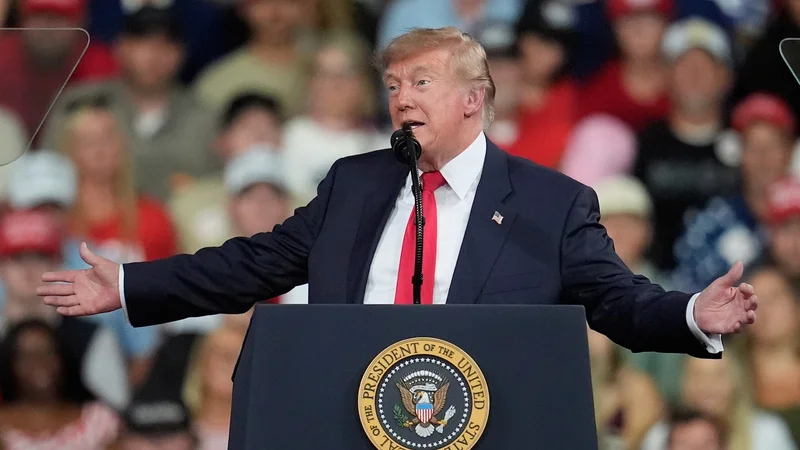
Image: Abcnews
Main Takeaway
Gas prices have reached $4.29 a gallon after months of war with Iran, while President Trump says the cost is justified and voters prepare to respond.
Jump to Key PointsSummary
Gas prices become an election issue
U.S. gasoline prices have climbed sharply during the nearly 8-month Iran war, turning energy costs into a central issue before the November midterm elections. Regular gas reached about $4.29 a gallon, up from $2.98 when the conflict began, while diesel rose from $3.76 to $6.35, according to Fortune. AAA data cited by multiple outlets put the national average near $4.28 in mid-October, about 40% higher than a year earlier.
The increase directly collides with Donald Trump’s campaign promise to deliver cheaper energy. His administration is now defending the rise as a cost of military action and national security, while Republicans seek to retain control of Congress. The political effect will be measured at the pump as much as at the ballot box.
Trump calls the cost justified
Trump has described higher fuel prices as a “very inexpensive price to pay” for the war and for keeping the United States safe. At rallies in Nebraska and North Carolina, he said prices were “a little bit high” but would fall after the conflict ends. C-SPAN captured his remarks in Nebraska, while The Hill reported the North Carolina comments.
At a Georgia rally on October 24, Trump also said U.S. oil and gas companies were making “hundreds of billions of dollars” as crude prices rose. He said advisers had warned him against highlighting those gains, but added that he did not “give a damn” about criticism. Newsweek and The New Republic framed the comments as an unusually blunt acknowledgment that producers’ gains were taking precedence over motorists’ complaints.
Who benefits from higher oil prices
The economic gains Trump cites are concentrated among energy producers, investors and some government-linked revenues, while households face higher transportation and living costs. ExxonMobil’s second-quarter profit doubled to $15 billion and Chevron’s nearly quadrupled to $12 billion as Brent crude reached $126 a barrel, according to Finance Yahoo’s analysis.
Those corporate results don't translate evenly across the economy. Drivers pay more for fuel, businesses absorb larger freight bills, and higher transportation costs can feed into food and other consumer prices. Economists cited by WBAL said the benefits are concentrated among producers and investors rather than spread broadly across households. A Dallas Federal Reserve model estimated that a 15% global oil-supply disruption would reduce annualized U.S. real GDP growth by about 0.3 percentage points.
Voters weigh prices against war
The political danger is that voters experience the conflict through recurring household expenses rather than strategic claims. A poll cited in the economic analysis found that 73% of likely voters disapproved of Trump’s handling of gas prices. Fortune described voters such as Noor Dubow, a Republican-leaning early voter who supports candidates on economic grounds but has reservations about Trump’s rhetoric and policies.
Trump’s defense depends on two promises: that the war is protecting the United States and that prices will fall quickly once fighting ends. Fox News reported his claim that the conflict could end around the midterms and that consumer prices would come “tumbling down.” USA Today cited an energy expert who said prices were unlikely to decline significantly before the election, leaving voters to judge current costs rather than a forecast.
The timing raises political stakes
The president’s comments arrive less than 2 weeks before the midterms, when control of Congress is at stake. Republicans must defend a record that includes a war-linked energy shock, while Democrats can point to the gap between Trump’s low-price pledge and current pump prices. Trump’s assertion that the United States is profiting from the crisis sharpens that contrast.
The political test will involve both responsibility and distribution. Voters may accept higher prices if they believe the war is necessary and temporary, but corporate profits make the sacrifice harder to sell when household budgets are under pressure. The administration’s argument also depends on a rapid end to the war, a result Trump has repeatedly forecast but not yet delivered.
What happens after the midterms
A lasting reduction in fuel prices depends on the conflict’s duration, disruptions to global supply and the speed at which crude markets respond to any ceasefire. Trump has promised that prices will fall when the war ends, while economic data show that consumers remain exposed to global oil shocks even when domestic production is strong.
The immediate question is electoral, but the broader issue is how the costs and gains of wartime energy markets are distributed. Producers can post record profits as drivers pay more, and national economic benefits can coexist with household financial strain. The midterms will provide the first major public verdict on whether voters accept Trump’s “small price” argument.
Key Points
Donald Trump defends $4.29 gasoline as a justified cost of the Iran war before midterm elections.
U.S. fuel prices have risen sharply, with diesel reaching $6.35 per gallon after months of conflict.
ExxonMobil and Chevron reported surging profits as global crude prices climbed during the war.
Economists say energy gains favor producers and investors while households absorb higher transportation costs.
Trump predicts prices will fall after the war, but experts doubt a major pre-election decline.
Questions Answered
Donald Trump says higher gas prices are a small price for protecting the United States and keeping the country safe. He also argues that the war has increased earnings for American oil and gas companies.
Gasoline is averaging about $4.29 per gallon, while diesel has reached roughly $6.35. Those prices compare with $2.98 gasoline and $3.76 diesel before the conflict began.
U.S. oil companies are reporting substantially higher profits as crude prices rise. ExxonMobil earned $15 billion and Chevron earned nearly $12 billion in the second quarter cited in the coverage.
Gas prices are unlikely to fall substantially before the 2026 midterm elections, according to an energy expert cited by USA Today. Donald Trump says prices will drop after the Iran war ends.
High gas prices are creating a political liability for Donald Trump because cheaper energy was a major campaign promise. Polling cited in the coverage found 73% of likely voters disapproved of his handling of fuel prices.
Source Reliability
70% of sources are trusted · Avg reliability: 78
Go deeper with Organic Intel
Simple AI systems for your life, work, and business. Each one includes copyable prompts, guides, and downloadable resources.
Explore Systems