will.i.am Says AI Can Expand Human Creativity Without Replacing the People Behind It
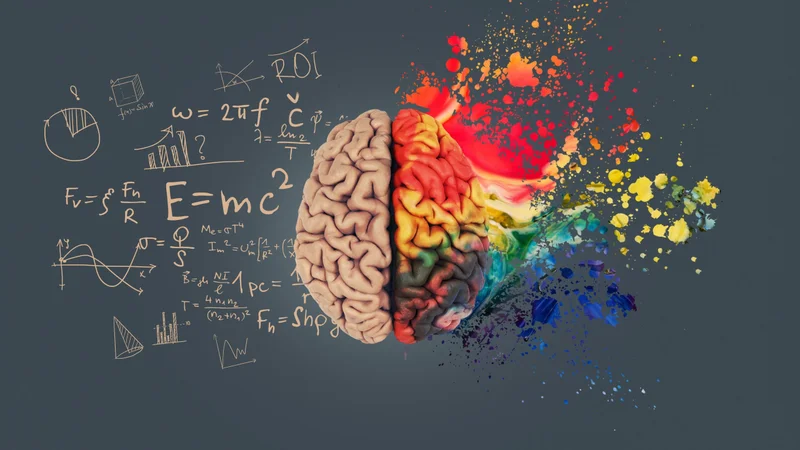
Image: Cset.georgetown
Main Takeaway
will.i.am argues that AI should amplify human imagination and effort, while researchers warn that economics and overreliance could still weaken creative work.
Jump to Key PointsSummary
The case will.i.am is making
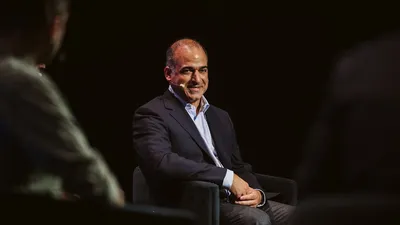
Human creativity will survive AI when people remain responsible for the ideas, choices, and effort behind creative work, will.i.am said in interviews with Bloomberg. The musician, producer, and tech CEO described AI as an assistant that can expand what creators do, rather than a substitute for the human experience that gives art meaning.
His argument centers on authorship and effort. “How can you validate human sweat to make something?” he asked Mishal Husain, saying human creativity “should be worth more than just compute output.” In that view, a song, image, or performance carries value because someone lived, struggled, and made deliberate choices, not simply because a system produced an attractive result.
Why human input still matters
Human creativity remains distinctive because it combines lived experience, intention, emotion, and judgment. AI systems can generate music, text, images, and other outputs, but the decision about what deserves attention still belongs to people, according to research and commentary from Georgetown University and Oxford’s AI ethics program.
Adam Green, a Georgetown neuroscientist who studies creativity, said AI can be creative in a technical sense while still falling short of the human brain’s capacity for original connections. His practical advice is to begin brainstorming without AI, including by writing ideas on paper, so that machine suggestions don't crowd out the creator’s own thinking. That concern aligns with Oxford scholar Madoc Wade’s argument that AI’s threat rests less on machine superiority than on the economic conditions surrounding its use.
AI as a creative assistant
Generative AI is already being used to support ideation in music, screenwriting, design, education, product development, and marketing. Capitol Technology University frames the central issue as whether these tools widen the range of human ideas or narrow creative work toward patterns that models can reproduce efficiently.
The most productive arrangement keeps humans setting goals, supplying context, judging quality, and accepting responsibility for the final work. AI can help produce variations, test directions, or overcome a blank page. It cannot independently supply the personal history, cultural stakes, or ethical purpose that make a creative decision matter to an audience. will.i.am’s position fits that model, while the broader debate warns that convenience can quietly shift creators from authors into editors of machine output.
The economic pressure point
AI threatens human creativity most directly when businesses treat generated output as a cheaper replacement for creative labor. Oxford’s analysis identifies that economic pressure as the critical risk: artists can lose opportunities, bargaining power, and time to develop their craft even if machines never match the depth of human imagination.
That concern changes the debate from a contest over whether AI is “creative” to a question of who controls creative production and who receives credit. Diplomacy’s discussion captures the anxiety through a familiar demand: people want machines to handle chores so they can create, rather than have machines create while people handle the remaining work. Attribution, compensation, consent, and disclosure therefore matter alongside artistic quality.
What creators should do next
Creators can protect their originality by developing ideas before prompting, treating AI output as material for evaluation rather than an automatic answer, and preserving a visible record of their decisions. That approach supports Green’s recommendation to keep early ideation human-led and gives audiences a clearer account of authorship.
The practical divide will be between people who use AI to extend a distinctive voice and those who accept generic output because it is fast and cheap. will.i.am’s comments place human effort at the center of value, while the academic perspectives add a safeguard: creative agency requires time, economic support, and room to experiment. The next phase of AI-assisted art will be judged as much by those conditions as by model capability.
The cultural test ahead
Human creativity will remain visible in the work that carries a recognizable point of view and a reason for existing. will.i.am connected that idea to “Where Is the Love?”, a Black Eyed Peas song whose relevance he discussed against a fractured world. The example places creative work in a social setting, where meaning comes from shared circumstances as well as production technique.
AI will make polished output easier to produce, raising the value of selection, identity, and trust. That shift won't settle every dispute over originality, and it won't protect creators from commercial disruption by itself. It does establish the central test: whether AI leaves people with more authority to imagine and make, or with fewer chances to do either.
Key Points
will.i.am says AI should expand human creativity while preserving human authorship, effort, and judgment.
Georgetown neuroscientist Adam Green advises brainstorming independently before using AI to generate creative ideas.
Oxford AI ethics research identifies economic displacement as the main threat to human creative work.
Generative AI now supports ideation across music, writing, design, education, marketing, and product development.
Creative agency depends on human control over goals, selection, revision, attribution, and responsibility.
Questions Answered
will.i.am says AI should assist and expand human creativity rather than replace the people who create. He argues that human effort and intention should carry more value than raw computational output.
will.i.am believes human creativity will survive because people provide lived experience, emotion, purpose, and judgment. AI can generate content, but humans decide what matters and why it should exist.
Adam Green recommends developing ideas independently before asking AI for suggestions. He specifically encourages practices such as brainstorming with pen and paper to protect original thinking.
The biggest threat is economic pressure that replaces creative labor with cheaper generated output. Oxford AI ethics research links this risk to lost opportunities, weaker bargaining power, and reduced time for artists to develop their craft.
Creators can use AI for variations, research, and experimentation while keeping humans responsible for goals, early ideas, selection, and final decisions. Preserving creative records and disclosing machine assistance can also strengthen trust.
Source Reliability
56% of sources are highly trusted · Avg reliability: 70
Go deeper with Organic Intel
Simple AI systems for your life, work, and business. Each one includes copyable prompts, guides, and downloadable resources.
Explore Systems