Uber Recorded Four AI-Agent Rides as Internal Automation Spurred Spending and Hiring Restraint
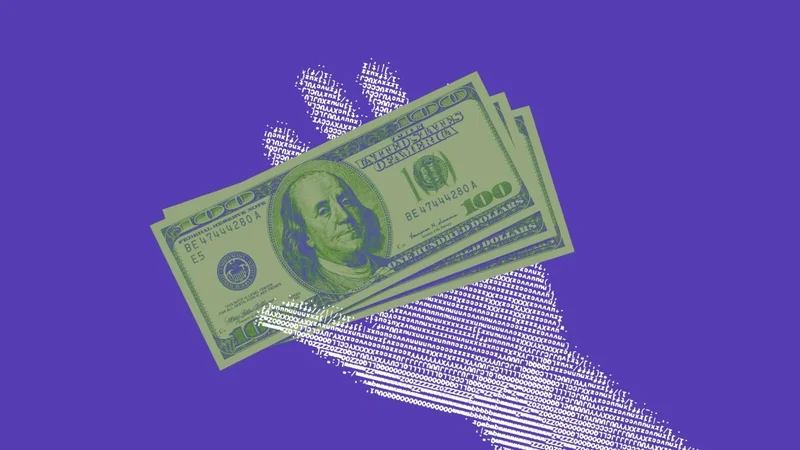
Image: The Verge AI
Main Takeaway
Uber fulfilled just four rides arranged by third-party AI agents in the third quarter, while internal AI spending accelerated engineering productivity and slowed hiring plans.
Jump to Key PointsSummary
Four rides in a massive network
Uber fulfilled only 4 rides arranged by third-party AI agents during the third quarter of 2026, a tiny figure beside the platform's overall activity. The company handled 320 million Uber rides and Uber Eats deliveries during the week of Halloween, while AI agents generated about 500 Uber Eats orders during that same period.
The figures mark Uber's first public disclosure of third-party agent activity on its marketplace. They show that external AI systems remain a negligible booking channel even as companies such as OpenAI and Meta promote agents that can act on users' behalf.
Disintermediation remains distant
The numbers reduce the immediate threat that AI agents will bypass Uber's app and weaken its direct customer relationship. Agents can theoretically compare options, order food, or request transportation without users opening Uber, but adoption depends on reliable permissions, payment flows, identity checks, location data, and service execution.
Uber CEO Dara Khosrowshahi said the company wants to make its services easy for third-party agents to access, while maintaining confidence that customers will prefer Uber's own experience. He also said Uber doesn't want to depend on a single outside player. The low ride count indicates that agent distribution has yet to become a meaningful source of demand.
Uber is spending inside the company
External agents barely touched Uber's consumer network, while internal AI use produced a much larger business effect. Khosrowshahi said Uber spent its entire annual AI budget in a single quarter and linked that spending to higher engineering productivity.
The productivity gains have changed staffing plans. Uber is metering headcount increases because engineers are becoming more efficient, according to Khosrowshahi. That places the company's AI strategy on two tracks: outside agents have limited reach with customers, while internal tools are already influencing operating costs, budgets, and hiring decisions.
Productivity carries a cost
Uber's internal gains came with a significant expense, according to Khosrowshahi. Burning through a full year's AI budget in one quarter shows that productivity improvements require substantial spending on software, computing, integration, and employee adoption.
The approach also gives Uber a reason to prioritize controlled internal deployment before handing more of the customer journey to outside agents. Companywide usage can be measured and managed inside existing teams, while external agents introduce questions about attribution, support, payments, fraud, and the ownership of the customer relationship. The contrast between the 4 rides and the accelerated internal investment captures where Uber sees immediate value.
What happens next for agents
Third-party agents still need to prove that they can create a smoother experience than Uber's own app. Uber has signaled openness to technical cooperation, but its executives also emphasized direct services and warned against dependence on any one agent provider.
Future adoption will depend on whether agents can handle the complete transaction, from selecting a ride or meal through payment, changes, refunds, and customer support. For now, the clearest measurable result is restraint: 4 agent-arranged rides in a quarter, alongside roughly 500 AI-generated Eats orders in one Halloween week. Uber is investing aggressively in AI, but the first returns are showing up in its workforce rather than in agent-controlled bookings.
Key Points
Uber fulfilled 4 rides arranged by third-party AI agents during the third quarter of 2026.
AI agents generated about 500 Uber Eats orders during Halloween week, versus 320 million total deliveries and rides.
Dara Khosrowshahi said Uber spent its full annual AI budget in one quarter.
Internal AI productivity gains are prompting Uber to meter headcount increases.
Uber welcomes agent integrations while protecting its direct app-based customer relationship.
Questions Answered
Uber fulfilled 4 rides arranged by third-party AI agents in the third quarter of 2026. That volume was minimal beside the platform's 320 million combined rides and Uber Eats deliveries during Halloween week.
Uber recorded about 500 Uber Eats orders from AI agents during the week of Halloween. The figure was higher than the ride count but remained a very small share of Uber's overall transaction volume.
Uber is spending heavily on AI because its internal tools have increased engineering productivity. CEO Dara Khosrowshahi said the company used its annual AI budget in a single quarter and adjusted hiring plans as a result.
AI agents have not meaningfully disintermediated Uber's app yet. Only 4 rides came through third-party agents in the third quarter, and Uber continues to expect customers to favor its direct service.
Uber plans to remain open to cooperation with third-party AI companies while avoiding dependence on any single provider. Wider adoption will require agents to manage booking, payment, changes, refunds, and support reliably.
Source Reliability
50% of sources are highly trusted · Avg reliability: 80
Go deeper with Organic Intel
Simple AI systems for your life, work, and business. Each one includes copyable prompts, guides, and downloadable resources.
Explore Systems