U.S. Emergency Oil Reserve Hits Lowest Level Since 1983 as Middle East Crisis Deepens
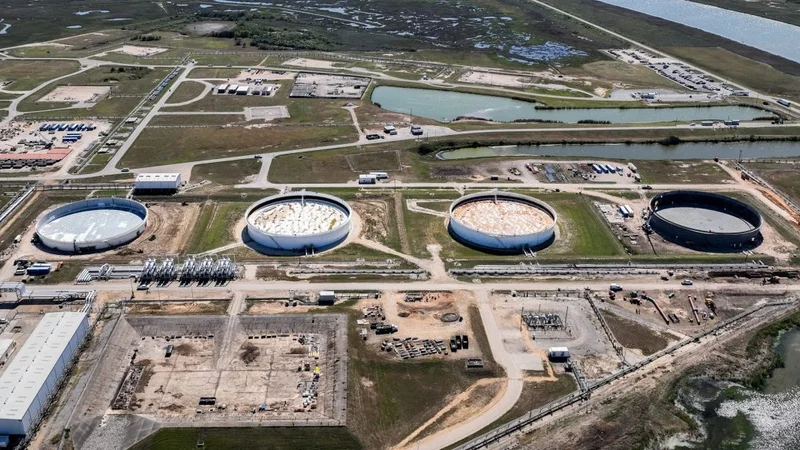
Image: Fortune AI
Main Takeaway
The Strategic Petroleum Reserve has plunged to its lowest level since the Reagan administration as the Trump administration drains stocks to contain fuel.
Jump to Key PointsSummary
Why the SPR is draining this fast
The Strategic Petroleum Reserve has lost 66 million barrels since the war in Iran began, according to Fortune. The drawdown has accelerated so rapidly that the reserve will soon hit volumes not seen since 1983, when the nearly 50-year-old facility was still being filled. The Trump administration is releasing crude to maintain oil exports and cap domestic gasoline prices, which have already climbed past $4 per gallon in all 50 states.
The pace of depletion is unprecedented for a non-economic crisis period. Previous administrations treated SPR releases as emergency measures; this operation looks more like routine market management during an active war. Energy analysts note that commercial stockpiles globally are also shrinking, leaving fewer buffers if disruption spreads.
The administration has not publicly defined a floor for the reserve, nor has it explained how it plans to replenish stocks. That silence is feeding anxiety among traders and policymakers who remember that refilling the SPR takes years, not months.
How the Hormuz closure amplifies the crisis
The Strait of Hormuz remains effectively closed, choking off the primary artery for Gulf oil shipments. Fortune reports that this single waterway normally carries about one-fifth of global oil consumption. Its closure has forced the United States to ship more of its own crude abroad while simultaneously drawing down emergency stocks to keep domestic markets supplied.
Patrick De Haan, head of petroleum analysis at GasBuddy, told Fortune that energy markets could enter panic mode by July or August if the closure persists. That timeline matters because summer driving season is already pushing demand higher. The combination of low reserves, closed chokepoints, and peak consumption creates a vulnerability window that did not exist during previous SPR releases.
The last time the SPR was this low, the United States imported far less oil and had not yet become a major exporter. Today's market dynamics mean that draining the reserve affects both domestic prices and global availability, multiplying the consequences of each barrel sold.
What this means for pump prices
Gasoline prices have already hit $4 per gallon nationwide, according to Fortune's earlier reporting, and the depleted reserve removes a key tool for preventing further spikes. The SPR was designed as a cushion against sudden supply disruptions; with it hollowed out, there is less capacity to soften price shocks.
Wbaltv reports that experts are warning of potential price spikes as the reserve nears 40-year lows. The psychology of markets matters here: once traders believe the government has exhausted its emergency capacity, speculative pressure can drive prices higher even if physical supply remains adequate. That feedback loop between perception and cost is already forming.
De Haan's July-August panic timeline coincides with the peak of hurricane season, when Gulf Coast refineries face their own disruption risks. The SPR was partly created after the 1973 oil embargo to prevent exactly this kind of multi-front vulnerability. Its erosion during an active conflict is historically unusual.
How Trump and Biden drawdowns compare
The SPR fell to multiyear lows under President Biden after releases aimed at taming post-pandemic inflation and offsetting sanctions on Russian crude. Fortune notes the reserve is now slipping below those Biden-era lows, meaning the current administration has outpaced its predecessor's depletion despite inheriting already-reduced stocks.
Biden's releases totaled roughly 180 million barrels across multiple years, including a historic 1-million-barrel-per-day program in 2022. The Trump administration has matched that intensity in months, not years, with the war in Iran as justification. The political framing differs, but the structural effect is identical: less emergency oil remains for future crises.
Congress established the SPR in 1975 with a capacity of 714 million barrels. Actual storage has fluctuated based on policy decisions, budget constraints, and geological limitations of the salt caverns that hold the crude. Refilling requires purchasing oil on the open market or accepting royalty-in-kind payments from producers, both of which become more expensive as prices rise.
What happens when the SPR runs thin
Energy security experts have long warned that the SPR was sized for a different era of American consumption and production. The Mineral Rights Podcast recently examined how the reserve's original mission, preventing supply shocks from foreign producers, has been shifted to managing domestic price politics. That mission creep has real consequences when genuine emergencies arise.
The United States is now the world's largest oil producer, a transformation that theoretically reduces import dependence. But as a major exporter, American market stability affects global prices directly. A domestic supply crunch now reverberates worldwide, and vice versa. The SPR's designers assumed import protection; they did not anticipate export exposure.
Replenishment faces practical hurdles. The Department of Energy can buy crude when prices dip, but timing purchases during a war and a closed Hormuz Strait is fraught. Some lawmakers have proposed banning exports to preserve domestic stocks, a move that would rupture alliances with European and Asian buyers now dependent on American crude. No good options exist; only trade-offs between immediate price relief and long-term resilience.
What comes next for energy policy
The current trajectory suggests the SPR will continue falling until the Hormuz crisis resolves or Congress intervenes. Neither appears imminent. Newsweek notes that Trump had previously promised to rebuild the reserve, a pledge now in tension with the administration's active depletion of it.
International Energy Agency members maintain their own strategic stocks, but collective releases require coordination that has been elusive during the Iran conflict. European allies facing their own energy pressures may not volunteer drawdowns to support American price management. The unilateral nature of current U.S. policy leaves fewer fallback options.
Longer term, this episode will likely reignite debates about SPR modernization: whether to expand capacity, change the legal threshold for releases, or create separate reserves for refined products like gasoline and diesel that consumers actually burn. Those conversations were already underway after Russia's 2022 invasion of Ukraine; the current crisis accelerates their urgency.
Key Points
The Strategic Petroleum Reserve has dropped to its lowest volume since 1983 after losing 66 million barrels since the Iran war began.
The Strait of Hormuz remains effectively closed, blocking the primary route for Gulf oil shipments and amplifying supply pressures globally.
Gasoline prices have already reached $4 per gallon in all 50 states with experts warning of possible panic-driven spikes by mid-summer.
The Trump administration's drawdown has pushed the SPR below previous Biden-era lows despite campaign promises to rebuild reserves.
Replenishing the SPR would require expensive market purchases during wartime conditions, with no current administration plan defined.
Questions Answered
The SPR has fallen to its lowest level since 1983, losing 66 million barrels since the war in Iran began. Fortune reports the reserve is now below previous Biden-era lows and continues declining as the Trump administration releases crude to manage domestic prices and maintain exports.
The Strait of Hormuz normally carries about one-fifth of global oil consumption, and its closure has forced the United States to draw down emergency stocks to supply both domestic markets and international buyers. This dual pressure has accelerated depletion beyond what would occur from export demand alone.
GasBuddy analyst Patrick De Haan told Fortune that energy markets could enter panic mode by July or August 2026 if the Hormuz closure persists, with speculative pressure driving prices higher once traders believe emergency government capacity is exhausted.
The Trump administration has depleted the reserve faster than its predecessor, pushing volumes below Biden-era lows that resulted from post-pandemic and anti-Russian-sanctions releases, despite Trump having previously promised to rebuild the SPR.
Replenishment would require purchasing oil on the open market at elevated wartime prices, accepting royalty-in-kind payments from producers, or potentially restricting exports to preserve domestic stocks, each carrying significant economic or diplomatic costs.
Source Reliability
50% of sources are trusted · Avg reliability: 71
Go deeper with Organic Intel
Simple AI systems for your life, work, and business. Each one includes copyable prompts, guides, and downloadable resources.
Explore Systems