Trump Team Finalizing $500M Spirit Airlines Rescue, Could Take 90% Ownership
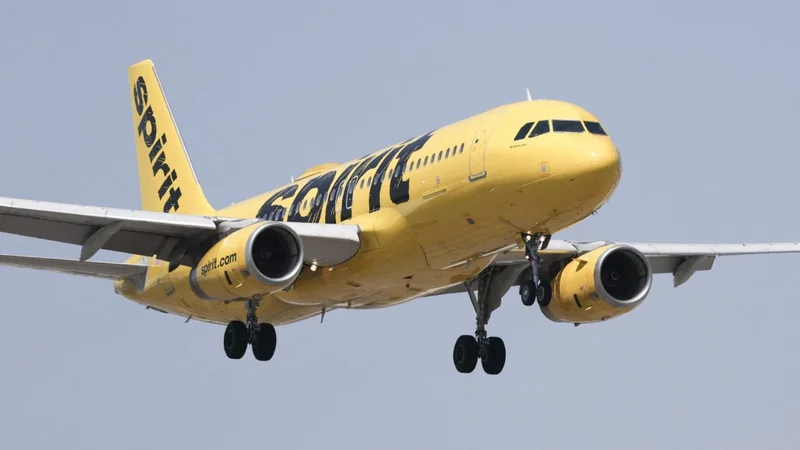
Image: Fortune AI
Main Takeaway
White House nears $500 million bailout for bankrupt Spirit Airlines with potential government equity stake up to 90%, sources tell WSJ and others.
Jump to Key PointsSummary
How the deal took shape
The Trump administration is finalizing a $500 million rescue package for Spirit Airlines that would give the federal government warrants to purchase up to 90% of the bankrupt carrier's stock, according to The Wall Street Journal. President Trump first floated the idea during a CNBC interview on April 21, citing the need to preserve 14,000 jobs. The deal structure resembles the airline bailouts from the 2020 pandemic era, but with much steeper government ownership stakes. Spirit's stock (FLYYQ) has been trading on pink sheets since the carrier filed for its second bankruptcy in recent years.
Why Spirit needs saving
Spirit's ultra-low-cost model collapsed under a perfect storm of pressures. Covid gutted travel demand, then a failed merger with JetBlue left the airline without a lifeline. Jet fuel prices spiked 40% in Q1 2026, making Spirit's bare-bones fares economically impossible. The carrier burned through cash reserves while competitors with more diversified revenue streams weathered the storm. Spirit's average fare of $59 couldn't cover operational costs when fuel hit $3.50 per gallon.
What this means for travelers
Spirit passengers won't see immediate changes if the deal closes. The airline will continue operating its current route network while restructuring under bankruptcy protection. However, the government's 90% ownership stake raises questions about whether Spirit will maintain its no-frills model or pivot toward a more traditional carrier approach. Industry analysts expect fares to rise regardless, as the airline needs to become profitable quickly to repay federal loans. Spirit's famous $5 seat selection fees and $3 water charges may not survive federal oversight.
The political calculus
Trump's direct intervention breaks from typical Republican free-market orthodoxy, but plays to his 2026 midterm messaging around job preservation. The 14,000 jobs at stake include pilots, flight attendants, mechanics, and airport staff across 80 cities. Democrats have already signaled they'll support the bailout, creating rare bipartisan agreement. The deal includes provisions preventing executive bonuses and requiring worker retention, addressing key progressive concerns about corporate welfare.
Market reaction and implications
Spirit's bonds jumped 15% on the bailout news, while competitors' stocks dipped on fears of government-subsidized competition. The precedent worries industry executives who fear setting expectations for future bailouts. United and Delta executives privately expressed concern about competing against a government-backed rival. Analysts note this could trigger consolidation pressure across the industry as weaker carriers seek similar support.
What happens next
The deal requires final approval from the bankruptcy court and Treasury Department lawyers. Spirit must present a reorganization plan within 60 days that shows path to profitability. Government officials insist this is a loan, not a grant, with repayment tied to Spirit's recovery. If Spirit fails to emerge from bankruptcy, taxpayers could lose the entire $500 million investment. The airline has until June 30 to finalize terms or face liquidation proceedings.
Key Points
Trump administration finalizing $500 million Spirit Airlines rescue with up to 90% government equity stake
Deal triggered by Spirit's second bankruptcy filing amid Covid aftermath, failed JetBlue merger, and 40% fuel price spike
14,000 jobs across 80 cities at stake, creating rare bipartisan support in Congress
Government ownership stake unprecedented for airline industry, raising competitive concerns from United, Delta
Spirit must present reorganization plan within 60 days showing path to profitability
Questions Answered
Yes. Spirit will maintain its current route network while restructuring under Chapter 11 protection. Flights continue normally during the bankruptcy process.
The deal includes warrants allowing the government to purchase up to 90% of Spirit's stock, making it effectively a government-controlled airline.
Analysts expect fares to rise significantly. Spirit's $59 average fares couldn't cover costs even before bankruptcy, and government oversight will likely push pricing toward profitability.
Industry executives worry this sets a precedent. While no other carriers have requested bailouts yet, weaker airlines may seek similar support if Spirit succeeds.
Spirit has until June 30 to finalize terms with the bankruptcy court and Treasury Department, or face liquidation proceedings.
The 2020 bailouts were loans with much smaller equity stakes (around 3-4%). This 90% government ownership is unprecedented and more like an acquisition than a loan.
Source Reliability
50% of sources are highly trusted · Avg reliability: 80
Go deeper with Organic Intel
Simple AI systems for your life, work, and business. Each one includes copyable prompts, guides, and downloadable resources.
Explore Systems