Trump Signs Narrower AI Executive Order After Shelving Original Version Amid Industry Pushback
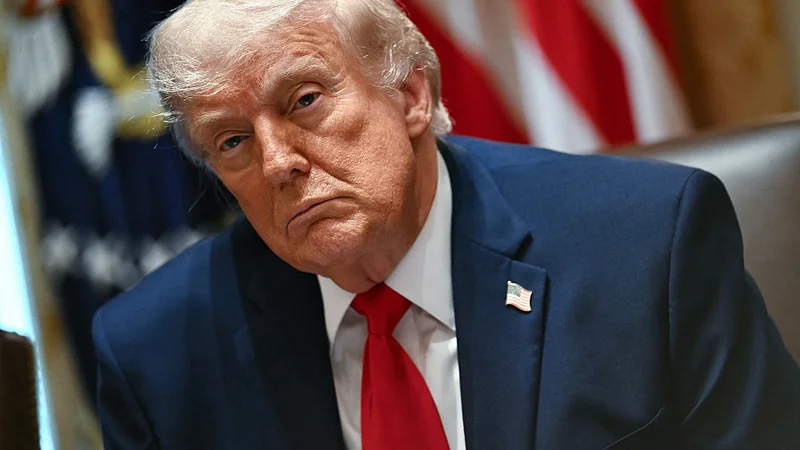
Image: TechCrunch AI
Main Takeaway
President Trump signed a scaled-back AI executive order requiring voluntary government reviews of advanced models after shelving a stronger version last month.
Jump to Key PointsSummary
What changed in the final order
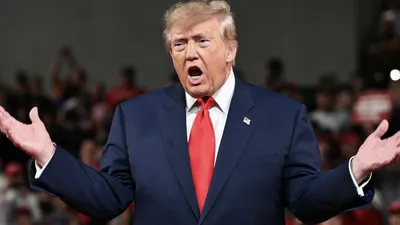
President Donald Trump signed a narrower executive order on AI oversight on June 2, 2026, after abruptly shelving a more expansive version less than two weeks prior. The revised order asks certain AI companies to voluntarily submit powerful models for federal review before public release, a significant retreat from earlier proposals that had sparked fierce industry opposition. The scaled-back approach reflects the administration's struggle to balance national security concerns with pressure from Silicon Valley executives who warned that stringent requirements would stifle American innovation. According to Wired, senior aides persuaded Trump that the administration could not indefinitely delay establishing a framework for AI governance, even as the president himself had grown skeptical of regulatory constraints on a technology sector he views as strategically vital against China. The final document strips away mandatory disclosure requirements that had been central to the original draft.
The voluntary nature of the review process marks a victory for large AI labs that had lobbied aggressively against binding pre-release testing. TechCrunch reports that the order specifically targets only the most advanced models, leaving the bulk of commercial AI development untouched by federal oversight. This calibrated scope represents an attempt to address the genuine risks of frontier systems without imposing compliance burdens on the broader industry.
Why the original order collapsed
The path to signing was anything but smooth. The Trump administration descended into visible internal strife after Trump killed the first executive order in late May, according to multiple people familiar with the matter who spoke to Wired. Those conversations were widely viewed as chaotic by both administration officials and key Silicon Valley players, with uncertainty persisting about whether any regulatory framework could be salvaged. The original order's collapse came after intense lobbying from AI industry leaders who objected to provisions they viewed as overly prescriptive, particularly requirements that would have forced companies to share technical details about training processes and model architectures with government agencies.
The disorder exposed rifts within the administration between national security hawks who wanted robust oversight and economic advisors who feared ceding competitive ground to Chinese rivals. Some AI executives privately expressed frustration that the policy process had become so volatile, with one telling Wired that the back-and-forth made it difficult to plan compliance investments. The episode also highlighted Trump's own mercurial relationship with technology regulation, as he oscillated between embracing AI's economic potential and responding to warnings about existential risks from his briefers.
What the order actually requires
The signed executive order establishes a voluntary framework for federal review of advanced AI models before they are publicly deployed. Companies developing the most capable systems are encouraged, but not required, to submit models for assessment of security risks including potential misuse for cyberattacks, biological weapons development, or other catastrophic harms. The order does not create new enforcement mechanisms or civil penalties for non-participation, relying instead on reputational incentives and the practical need for government contracts that favor compliant firms. PBS reports that this approach mirrors the Biden administration's earlier voluntary AI safety commitments, though with less explicit pressure on companies to participate.
The order also preempts state AI laws, centralizing federal authority over a patchwork of emerging state regulations that tech companies had complained created compliance chaos. This federal preemption provision, noted by Seyfarth Shaw, represents a significant substantive element that could reshape the regulatory landscape regardless of the voluntary review program's uptake. Legal experts suggest this preemption clause may face constitutional challenges from states that have already enacted comprehensive AI legislation, setting up potential court battles that could outlast Trump's presidency.
The China calculus behind the policy
A driving force in the administration's final decision was the competitive imperative to stay ahead of China in AI development. Trump and his advisors repeatedly weighed the risk of American companies being hobbled by domestic regulation against the risk of unfettered Chinese advancement. The narrower order reflects a judgment that excessive American constraints would simply push talent and investment toward Beijing's less regulated environment. This framing dominated internal discussions, according to administration officials who emphasized that any U.S. regulatory framework must be calibrated to avoid self-inflicted competitive wounds.
The China angle also shaped which companies the order targets. By focusing only on the most advanced frontier models, the administration sought to avoid burdening the broader ecosystem of AI startups that it sees as essential to maintaining American dynamism. This selective approach attempts to thread a needle: addressing genuine security concerns about the most powerful systems while preserving the innovative ferment that Washington believes will determine geopolitical primacy in the coming decades. Whether this balance holds as AI capabilities advance remains an open question that the order itself does not resolve.
What happens next for AI governance
The executive order's voluntary structure leaves substantial uncertainty about its practical impact. Industry observers expect uneven participation, with established labs like OpenAI, Anthropic, and Google likely to engage to maintain government relationships while newer entrants may skip the process entirely. The lack of binding requirements means the order's effectiveness depends entirely on the norms it establishes and whether non-participation carries any meaningful stigma or commercial penalty. Federal agencies will now develop implementation guidance, a process that could take months and may further dilute whatever oversight intent survives the current political moment.
Congressional action remains possible but unlikely given partisan divisions and the compressed legislative calendar ahead of midterm elections. The order's preemption of state laws may prove its most consequential and contested feature, potentially triggering litigation from states with existing AI statutes. For the AI industry, the immediate relief of avoiding mandatory regulation is tempered by recognition that this reprieve could be temporary, a future administration or Congress could easily bolt on binding requirements to the framework Trump has established. The fundamental tension between innovation and safety that the order attempts to manage will resurface, probably soon, as models grow more capable and incidents of misuse or failure accumulate.
Key Points
Trump signed a voluntary AI executive order after shelving a stricter version in May 2026
The order requests pre-release federal review of only the most advanced AI models
Industry lobbying and internal administration chaos killed the original mandatory framework
The order preempts state AI laws, centralizing federal regulatory authority
China competition fears heavily influenced the final narrower scope
Questions Answered
The order voluntarily asks companies developing the most advanced AI models to submit them for federal security review before public release, with no mandatory participation or penalties.
Trump shelved a more expansive version after intense industry lobbying against mandatory disclosure requirements, combined with chaotic internal administration debates about competitiveness and regulation.
It resembles Biden's voluntary AI safety commitments but is weaker than binding rules in the EU AI Act or some proposed congressional frameworks, while adding federal preemption of state laws.
Frontier AI labs like OpenAI, Anthropic, Google, and Microsoft face the most direct impact, though participation remains voluntary; smaller AI firms are largely untouched.
States with existing AI legislation may challenge the federal preemption clause, and future administrations could seek to convert voluntary provisions into mandatory requirements.
Source Reliability
80% of sources are highly trusted · Avg reliability: 87
Go deeper with Organic Intel
Simple AI systems for your life, work, and business. Each one includes copyable prompts, guides, and downloadable resources.
Explore Systems