Trump Opens U.S. Beef Market as Republican Supporters Warn Tariffs Are Raising Grocery Costs
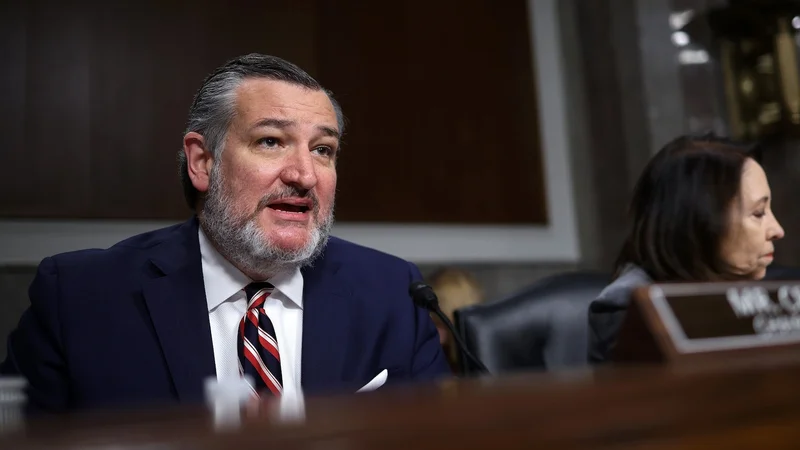
Image: Abcnews
Main Takeaway
Donald Trump will allow 300,000 metric tons of discounted beef imports as ranchers and Republican lawmakers warn tariffs are raising costs for consumers and threatening U.S. cattle producers.
Jump to Key PointsSummary
Trump’s beef import plan
Donald Trump announced a temporary opening of the U.S. market to as much as 300,000 metric tons of beef over the next 3 months, exempting the product from out-of-quota tariffs. The White House said the measure will cover lean beef trimmings used in ground beef and that an executive order will follow within 2 weeks.
Trump said foreign suppliers had committed to selling the beef at 25% below current market prices, with the goal of lowering grocery costs while giving the U.S. cattle herd time to recover. The announcement did not identify the exporters, importers, or companies responsible for enforcing the discount, according to Fortune.
Why beef prices climbed
U.S. beef prices reached record levels after the domestic cattle herd contracted, consumer demand remained firm, and imports of Mexican cattle faced disruption from a flesh-eating pest. Brazil, another major beef supplier, also faces 50% U.S. tariffs, tightening access to foreign meat as domestic supplies shrink.
The market pressure has created conflicting incentives. Consumers need cheaper ground beef, while ranchers have benefited from strong prices and want those returns to finance herd expansion. Importing lean trimmings can ease short-term supply pressure, but cattle organizations warn that cheaper foreign inputs can reduce domestic cattle prices and weaken the incentive to rebuild the herd.
Ranchers turn against the policy
The import announcement triggered unusually sharp criticism from cattle producers and conservative lawmakers in rural states. Justin Tupper, president of the U.S. Cattlemen’s Association, said Americans need lower grocery prices without placing U.S. cattle producers last. Ranchers argue that an import surge addresses the price visible at the checkout counter while damaging the production base needed for longer-term supply.
That tension puts Trump between 2 core constituencies: consumers demanding relief before the midterm elections and agricultural supporters who backed his trade agenda. The measure also clashes with the administration’s protectionist message, since the promised price reduction depends on bringing more foreign beef into the country.
Republican tariff criticism widens
Republican criticism extends beyond beef. Sen. Ted Cruz has called tariffs a tax on consumers and said he wants them to be short-lived if they serve as leverage for lower trade barriers. Sen. Rand Paul has also warned about the risks of tariff policy for American families, although ABC News reported limited evidence of a broad GOP effort to restrain Trump.
The beef dispute gives those concerns a concrete example. Tariffs on imported food raise costs when domestic supplies are tight, then the administration must suspend or reduce those barriers to bring prices down. Mother Jones described the administration’s broader decision to exempt groceries such as beef, coffee, and bananas from tariffs as an attempt to respond to rising food costs after campaigning on immediate price relief.
The politics of cheaper burgers
The policy arrives as food costs weigh heavily on voters. More than half of Americans describe food expenses as a major source of stress, according to polling cited by Mother Jones. Trump faces pressure to show progress on affordability after Republican losses in Virginia, New Jersey, and several local races, making grocery prices a political problem as well as an economic one.
A 25% discount would give the administration a clear consumer message if the promised reductions reach stores. The unresolved details matter: the order has not yet been signed, the participating businesses remain unnamed, and the mechanism for passing savings through the supply chain has not been explained. Ranchers, meanwhile, will judge the plan by its effect on cattle prices, not only hamburger prices.
What happens next
The next test is implementation. The White House must issue the executive order, identify eligible imports and suppliers, and establish how the 300,000-metric-ton limit will operate over the 3-month window. Retail prices will also depend on processing, distribution, and retailer margins, so lower import costs won't automatically produce a 25% reduction for shoppers.
The broader tariff debate will continue inside the Republican Party. Cruz’s comments show that consumer-tax concerns have reached senior Trump allies, while ranchers’ opposition shows the limits of using imports to solve a domestic supply shortage. The administration now has to balance immediate burger affordability against the longer-term political value of protecting American cattle producers.
Key Points
Donald Trump approved 300,000 metric tons of discounted beef imports to reduce U.S. hamburger prices.
U.S. cattle producers warn foreign beef imports will depress cattle prices and slow herd rebuilding.
Beef prices reached records as domestic cattle numbers fell and major import channels faced restrictions.
Ted Cruz and other Republicans increasingly criticize tariffs as taxes on American consumers.
The administration’s promised 25% beef discount depends on suppliers and importers not yet identified.
Questions Answered
Donald Trump announced that up to 300,000 metric tons of beef can enter the United States without out-of-quota tariffs for 3 months. The White House said the policy covers lean beef trimmings used in ground beef.
U.S. beef prices are high because the domestic cattle herd has shrunk while demand remains strong. Disruptions involving Mexican cattle and tariffs on Brazilian beef have also tightened supply.
U.S. ranchers oppose Trump’s beef import plan because cheaper foreign beef could reduce domestic cattle prices. They say lower returns would weaken the incentive to rebuild the American herd.
Donald Trump said participating exporters committed to selling beef at 25% below current market prices. The White House has not identified the companies involved or explained how the discount will reach shoppers.
Some Republicans, including Ted Cruz and Rand Paul, are warning that tariffs raise costs for American families. ABC News reported limited signs of a broad GOP effort to challenge Trump’s overall tariff policy.
Source Reliability
50% of sources are highly trusted · Avg reliability: 81
Go deeper with Organic Intel
Simple AI systems for your life, work, and business. Each one includes copyable prompts, guides, and downloadable resources.
Explore Systems