Trump Brokers Partial Israel-Hezbollah Ceasefire After Iran Halts Nuclear Talks
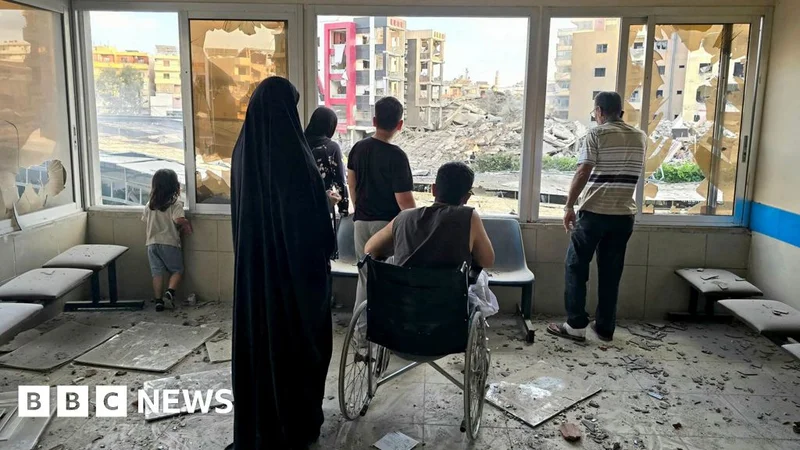
Image: Bbc
Main Takeaway
Trump announces Israel and Hezbollah agreed to stop shooting after Iran suspended U.S. nuclear talks over Lebanon offensive.
Jump to Key PointsSummary
Why Iran walked away from the table
Iran suspended indirect negotiations with the United States on June 1, 2026, after Israel launched its broadest ground assault in Lebanon in more than 25 years. Iranian state media announced the halt, framing it as a direct response to Israeli military actions that Tehran viewed as undermining diplomatic progress. The suspension threw U.S. efforts to secure an interim nuclear deal into immediate jeopardy, with President Donald Trump scrambling to prevent a complete collapse of the talks. According to USA Today, Trump's intervention came within hours of Iran's announcement, suggesting the White House recognized the fragility of the negotiating environment.
The timing proved critical. Israel's offensive had already shattered a brittle ceasefire established after Hezbollah attacked Israel in response to the U.S.-Israeli war on Iran, which began February 28. Fortune reported that Israeli Defense Minister Israel Katz confirmed IDF forces planted an Israeli flag on the historic Beaufort Castle near Nabatieh, a symbolic gesture marking the deepest incursion into Lebanon since the 1980s. Iran's decision to link the Lebanon battlefield directly to the nuclear file represented a significant escalation in its diplomatic strategy.
What Trump announced late Monday
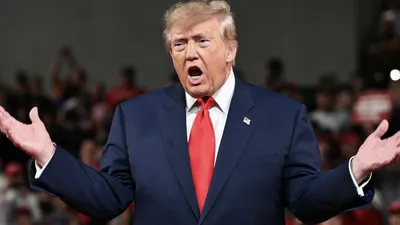
President Trump declared on June 1 that he had spoken with Israeli Prime Minister Benjamin Netanyahu and Hezbollah representatives, and that both sides agreed that all shooting would stop. In a social media post, Trump stated there would be no Israeli troops going to Beirut and that any troops already en route had been turned back. The Guardian reported that the announcement seemingly averted both an Israeli strike on the Lebanese capital and the complete collapse of ceasefire talks with Iran.
The declaration caught observers off guard. PBS noted that Trump communicated with Hezbollah through mediators rather than direct channels, highlighting the informal nature of the arrangement. The ceasefire terms appeared limited, partial rather than comprehensive, with both sides maintaining positions on the ground. Trump's framing suggested personal diplomatic achievement, but left operational details unclear, including monitoring mechanisms, withdrawal timelines, and consequences for violations.
Why the truce faces deep skepticism in Israel
Despite the presidential announcement, clashes continued in southern Lebanon hours after the supposed ceasefire took effect. BBC correspondents reported that air raid sirens blared three times in northern Israeli communities as the truce was supposed to begin, with Israel's air defense intercepting incoming Hezbollah projectiles. Ambulance crews reported at least three people wounded by shrapnel in the hours before the ceasefire took effect, including two seriously injured.
On the ground in Israel's northern communities, the response to the truce was markedly hostile. Residents expressed betrayal and confusion, with one telling the BBC, I feel like the government lied to us. The skepticism ran deeper than immediate security concerns. Few Israelis viewed the truce as a genuine path out of conflict with Hezbollah, according to the BBC's Lucy Williamson reporting from Nahariya. The disconnect between Trump's announcement and battlefield reality raised questions about whether either party had formally committed to the terms Trump described, or whether the statement represented aspiration more than agreement.
How the Lebanon battlefield shaped nuclear diplomacy
The linkage between the Lebanon conflict and Iran-U.S. nuclear negotiations represented a deliberate Iranian strategy to expand the diplomatic stakes. Bloomberg reported that Trump remained optimistic about reaching an interim peace deal with Iran despite the suspension, suggesting the administration viewed the Lebanon ceasefire as a necessary precondition for reviving talks. The president's personal intervention indicated recognition that the two conflicts had become functionally inseparable in Tehran's calculus.
This dynamic created a complex bargaining environment. Israel's military advance, including the seizure of strategic positions and symbolic installations like Beaufort Castle, appeared designed to maximize territorial and psychological gains before any political settlement. Yet by pushing too aggressively, Israel triggered Iran's withdrawal from talks, potentially undermining a key strategic objective for Netanyahu's government. The Yahoo Finance report of continued U.S. strikes on Iranian military sites and Tehran's retaliatory air base attack underscored that the regional conflict extended well beyond Lebanon's borders, with direct state-to-state violence between the U.S. and Iran continuing alongside proxy engagements.
What happens to the ceasefire now
The partial ceasefire faces structural challenges that extend beyond immediate compliance. Neither Israel nor Hezbollah has demonstrated commitment to the terms Trump described, with both sides maintaining offensive capabilities and territorial positions. The absence of formal signing ceremonies, published terms, or international monitoring mechanisms leaves the arrangement dependent on Trump's personal diplomacy and the tactical calculations of parties with long histories of mutual hostility.
For U.S.-Iran nuclear talks, the path forward remains uncertain. Iran's suspension was explicitly conditional, tied to Israeli actions rather than fundamental rejection of diplomacy. This creates space for resumption if the Lebanon violence genuinely de-escalates, but also gives Iran leverage to demand constraints on Israeli military activity as part of any broader agreement. The next 48 to 72 hours will prove telling, as both sides test whether the shooting truly stops or whether Trump's announcement proves premature. The alternative, a return to full-scale conflict with nuclear diplomacy in ruins, remains a live possibility that neither Washington nor Tehran has fully foreclosed.
Key Points
Iran suspended U.S. nuclear talks after Israel's deepest Lebanon incursion in 25 years
Trump announced partial ceasefire with both sides agreeing to stop shooting
Clashes continued despite truce with rockets fired and air defenses activated
Israeli civilians in north expressed deep skepticism and feelings of betrayal
Ceasefire lacks formal terms, signing, or international monitoring structure
Questions Answered
Iran halted indirect negotiations because of Israel's expanded military campaign in Lebanon, which Tehran viewed as undermining diplomatic progress.
No, clashes continued in southern Lebanon with rocket fire and air defense interceptions reported in the hours after Trump's announcement.
It was Israel's broadest ground assault in Lebanon in more than a quarter-century, including the seizure of historic Beaufort Castle.
Trump spoke with Netanyahu and communicated with Hezbollah through mediators, not through direct channels with the militant group.
Yes, the U.S. struck Iranian military sites and Iran responded with an air base attack, alongside the proxy conflict through Hezbollah.
The arrangement lacks formal terms, monitoring mechanisms, or demonstrated commitment from either Israel or Hezbollah to de-escalate.
Source Reliability
50% of sources are highly trusted · Avg reliability: 74
Go deeper with Organic Intel
Simple AI systems for your life, work, and business. Each one includes copyable prompts, guides, and downloadable resources.
Explore Systems