Trump Administration’s Hormuz Oil Claims Clash With Tanker Data and Export Reality
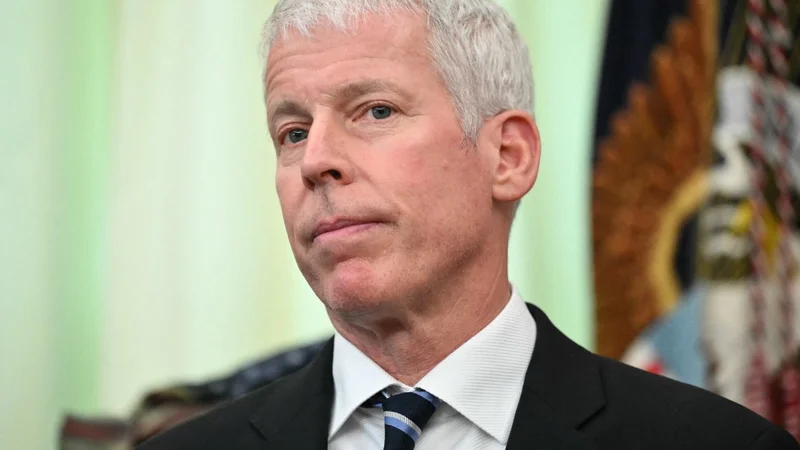
Image: Fortune AI
Main Takeaway
The Trump administration says Middle East oil shipments have recovered to prewar levels, but tanker data and analysts dispute the claim amid renewed attacks.
Jump to Key PointsSummary
The administration’s central claim
The Trump administration says oil exports through and around the Strait of Hormuz have recovered to, or exceeded, levels recorded before the Iran war. Energy Secretary Chris Wright said more than 17 million barrels moved through the strait on Monday, and that adding bypass pipelines pushed regional exports above the prewar benchmark, according to Fortune.
That statement became the focus of scrutiny because tanker-tracking data points to a smaller recovery. Oil flows have increased from the sharpest disruption of the conflict, but analytics firms tracking vessel movements said the totals remained below prewar levels. The dispute centers on whether the administration is comparing like-for-like daily shipments or combining different routes and time periods.
What tanker traffic shows
Tanker movements indicate that exports have resumed in part, but they haven't returned to normal across the region. Shippers have used smaller vessels and routes closer to Oman as the United States works to create a safer passage through the narrow waterway, according to Fortune.
Those operational changes matter because a single day of elevated traffic doesn't establish a sustained flow rate. Recent attacks by the United States and Iran also slowed exports again on Tuesday, complicating claims that shipping had stabilized. Politico and E&E News described the administration's upbeat account as colliding with vessel data, while CNN reported that the assertion of normal oil movement faced a basic factual problem.
Why the numbers diverge
The conflicting figures reflect different definitions of oil flow. A count limited to crude tankers passing through Hormuz will produce one result; a broader calculation that includes bypass pipelines, smaller vessels and exports from multiple Gulf terminals will produce another. Wright's claim relied on the broader framing, while independent tracking analyses questioned whether those flows matched the prewar baseline.
The timing of the comparison also matters. Monday's reported surge followed weeks of disruption and represented a daily snapshot, while prewar trade is generally measured through longer-term averages. That distinction gives officials room to describe a rebound as a record without proving that regional exports have returned to normal. Finance.yahoo and CNN tied the data dispute to broader administration claims that the United States had achieved control over the shipping route.
The political stakes
The oil dispute carries economic and political consequences because Hormuz is a central route for global energy shipments. Claims that exports have recovered support the administration's argument that military operations and convoy efforts have contained the crisis. Conflicting tanker data weakens that message and leaves traders, lawmakers and allies to assess the disruption using competing baselines.
The wider communications effort also includes claims about U.S. production and oil revenue linked to Venezuela. The American Energy Alliance promoted record U.S. oil output under President Trump, while PolitiFact examined administration statements about Venezuelan oil revenue and found the figures required qualification. Together, those episodes show how energy statistics have become part of the administration's broader case for its policy in the region.
What markets are watching
The next test is whether elevated shipments persist after the latest escalation. Traders and analysts will watch tanker departures, vessel sizes, insurance conditions, pipeline utilization and the number of ships willing to enter Hormuz. A sustained recovery across those measures would support the administration's account; a brief spike followed by another decline would reinforce the critics' reading.
The disagreement also raises a measurement problem for governments and companies making decisions about inventories, freight and fuel prices. Export totals assembled from different routes can describe real barrels while still overstating the health of the overall system. Until the figures are reconciled, the most defensible conclusion is that Gulf oil movement has improved from its wartime low but remains contested as a return to prewar normality.
The broader energy picture
U.S. production records provide the administration with a separate source of supply confidence, but domestic output doesn't erase the importance of Gulf shipping. American crude can cushion some disruptions, yet global prices still respond to uncertainty around a route that carries a large share of international oil trade.
That leaves the administration facing two separate questions: whether U.S. production is rising, and whether Middle Eastern exports have actually recovered. The first claim has backing from the American Energy Alliance's account of record output. The second remains disputed by tanker data and the renewed slowdown after Tuesday's attacks. The credibility of future energy briefings will depend on transparent definitions, consistent baselines and figures that distinguish one-day records from sustained export capacity.
Key Points
Trump administration oil claims conflict with tanker data showing Hormuz exports remain below prewar levels.
Chris Wright cited more than 17 million barrels moving through Hormuz on Monday.
Shippers are using smaller tankers and routes closer to Oman to navigate wartime risks.
Tuesday attacks slowed exports again after a reported rebound in regional oil shipments.
Record U.S. production supports supply confidence but cannot replace Gulf shipping capacity.
Questions Answered
The Trump administration did not establish that oil flows had sustainably exceeded prewar levels. Chris Wright cited more than 17 million barrels through Hormuz on Monday and added bypass pipelines, while tanker analysts disputed the comparison.
Chris Wright said more than 17 million barrels passed through the Strait of Hormuz on Monday. He said adding alternative export pipelines put total regional shipments above the level before the Iran war.
Tanker data and White House claims use different routes, vessel categories and comparison periods. The administration included bypass pipelines and a single high-volume day, while analysts examined vessel movements against broader prewar averages.
Oil exports recovered from their wartime low but had not clearly returned to normal. Tuesday attacks slowed shipments again, and analysts said recent traffic remained below prewar levels.
Strait of Hormuz oil flows will be judged by whether higher shipments continue after the latest attacks. Traders will monitor tanker departures, vessel sizes, insurance conditions, pipeline use and shipping through routes near Oman.
Source Reliability
50% of sources are trusted · Avg reliability: 76
Go deeper with Organic Intel
Simple AI systems for your life, work, and business. Each one includes copyable prompts, guides, and downloadable resources.
Explore Systems