Trump Administration Builds AI-Powered Border System to Target China-Linked Tariff Evasion
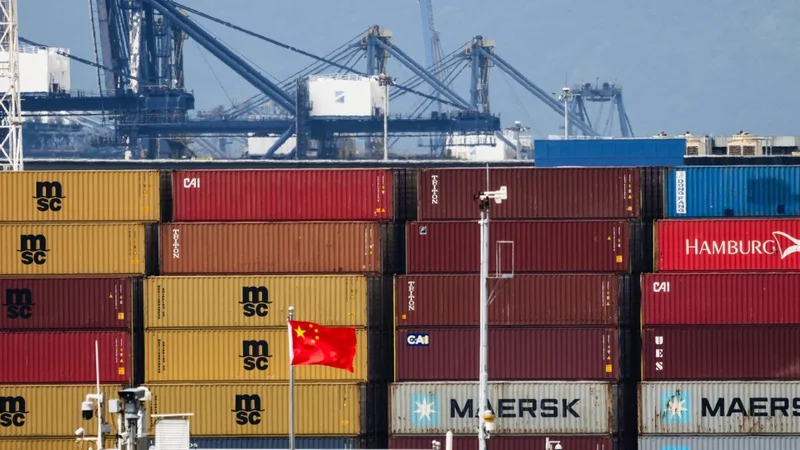
Image: Fortune AI
Main Takeaway
The Trump administration is developing an AI-powered “detective border” after identifying more than 40 countries as elevated risks for China-linked tariff evasion.
Jump to Key PointsSummary
A new enforcement system takes shape
The Trump administration is developing an AI-powered “detective border” to identify shipments suspected of disguising Chinese origins and avoiding US tariffs. The initiative is tied to a White House report that lists more than 40 countries as elevated risks for illegal transshipment, Fortune reported.
The system places artificial intelligence inside a wider customs and trade-enforcement campaign. Its purpose is to connect trade records, shipment details, country-of-origin information and other signals so investigators can focus on cargo and trading partners associated with tariff evasion. The effort reflects the administration’s broader use of technology to police trade routes rather than examining each shipment in isolation.
China-linked transshipment under scrutiny
The White House report describes a “shadow transshipment network” that allegedly enables Chinese goods to reach the United States through intermediary countries. The designation of dozens of trade partners raises the stakes for manufacturers, exporters and logistics companies whose products pass through those markets.
Transshipment itself is a normal part of global commerce, but misrepresenting a product’s origin can reduce or eliminate tariff liability. The administration’s approach treats unusual routing, documentation patterns and trade relationships as indicators for closer review. The Straits Times also described the policy as a warning to countries accused of aiding tariff evasion, while National Post framed the campaign as a direct effort by Trump’s trade team to target alleged tariff dodging.
Customs adds data-driven screening
US Customs and Border Protection is expanding its use of artificial intelligence as enforcement agencies seek faster ways to sort high-volume trade activity. DHS materials identify AI use cases within customs and border operations, while SupplyChainBrain described the investment as part of a push to sharpen enforcement.
The technology is expected to support investigators rather than replace them. Algorithms can flag connections across importers, suppliers, routes and product descriptions, but seizures, penalties and formal findings still require government action. That division matters because an automated risk score can trigger scrutiny without proving that a company broke tariff rules. The accuracy of the underlying data, the quality of human review and the process for challenging an adverse finding will shape how businesses experience the system.
Businesses face a compliance squeeze
Companies operating through countries named as elevated risks will face heavier pressure to document where goods are made, transformed and shipped. CNBC has focused on businesses turning to AI to navigate tariff turbulence, creating a parallel arms race in which importers use software to track classifications, supplier records and changing trade rules.
That response will extend beyond large manufacturers. Freight forwarders, customs brokers and smaller importers may need cleaner records and more detailed supplier verification as automated screening spreads. The challenge is separating legitimate regional production from routing designed to obscure origin. Windward’s analysis links generative AI to new forms of tariff fraud, adding another layer of concern as bad actors automate document creation and trade deception.
AI hardware becomes a trade target
The administration’s trade policy also places advanced AI semiconductors under particular scrutiny. Pillsbury Law said the Trump administration targeted advanced AI chips while deferring broader tariffs, connecting technology supply chains to the same enforcement agenda.
That focus gives the campaign significance beyond customs administration. Semiconductor shipments carry high economic and strategic value, and their production often crosses multiple jurisdictions before reaching a final customer. A system designed to identify suspicious origin claims can therefore affect chipmakers, distributors and technology companies that depend on international manufacturing. A separate Bloomberg Tax headline about speeding trade in AI goods between allies points to the administration’s dual-track approach: restricting suspect flows while trying to preserve trusted supply channels.
The legal and diplomatic test
The detective-border program will test how far the administration can extend automated trade enforcement without creating unfair treatment for foreign partners or US importers. Country risk labels can prompt investigations, but they don't by themselves establish liability for a particular shipment or company.
The policy also carries diplomatic costs. Countries identified as part of an alleged transshipment network may dispute the classifications, while businesses will seek clear rules for correcting records and contesting enforcement decisions. The administration’s next steps will show whether AI becomes a back-end screening tool or a visible pillar of tariff policy. For now, the initiative signals that trade enforcement is shifting toward continuous analysis of supply-chain data, with AI at the center of that shift.
Key Points
Trump administration is developing an AI-powered border system to identify China-linked tariff evasion.
White House report associates more than 40 countries with elevated illegal transshipment risk.
US Customs and Border Protection is expanding AI use to analyze trade and shipment data.
Importers face stronger origin-documentation and supplier-verification requirements under automated screening.
Advanced AI semiconductors remain a distinct target in the administration’s tariff policy.
Questions Answered
The Trump administration’s detective border is an AI-supported customs screening effort designed to identify shipments linked to tariff evasion. It analyzes trade and supply-chain signals so investigators can prioritize suspicious cargo and companies.
The White House associated more than 40 countries with elevated illegal transshipment risk. The designations concern routes allegedly used to move Chinese goods into the United States while concealing their origin.
The AI system will push importers to maintain more detailed records showing where products were made, transformed and shipped. Companies operating through flagged countries may face additional scrutiny and requests for supplier documentation.
The AI system is intended to flag risk, while government officials make enforcement decisions. Investigators still need to assess evidence before imposing penalties, seizing goods or determining that a company violated tariff rules.
Advanced AI semiconductors are part of the trade crackdown because they carry strategic and economic value and often move through complex international supply chains. The administration has targeted these chips while deferring broader tariffs, according to Pillsbury Law.
Source Reliability
38% of sources are highly trusted · Avg reliability: 72
Go deeper with Organic Intel
Simple AI systems for your life, work, and business. Each one includes copyable prompts, guides, and downloadable resources.
Explore Systems