Tinder Swipes Right on Growth Again After AI-Powered Turnaround
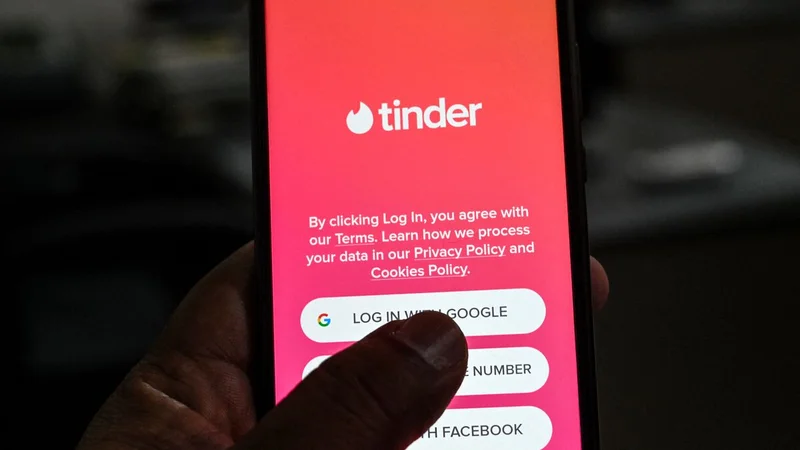
Image: Bloomberg AI
Main Takeaway
Tinder's new user sign-ups turned positive for the first time in two years, powered by AI matchmaking and astrology features, helping parent Match Group.
Jump to Key PointsSummary
Tinder's First User Growth Since 2024
Tinder reversed its two-year user decline in Q1, posting net new user growth for the first time since 2024, according to Match Group's earnings release. The dating app's revenue also ticked up after quarters of contraction, with CFO Steven Bailey telling analysts the turnaround is "resonating with younger daters," Bloomberg reports. Daily active users grew 3% sequentially, a sharp reversal from the 8% drop seen in the same period last year.
AI Matchmaking Powers the Revival
Behind the comeback is a suite of AI features that Match Group has been quietly rolling out since late 2025. The company deployed large language models to improve match recommendations and conversation starters, while also using AI to moderate content and reduce fake profiles. These tools don't come cheap, CFO Bailey noted they're slowing hiring across the company to fund the "significant investment" in AI infrastructure. The push appears to be working: user engagement time increased 12% quarter-over-quarter, with early data showing AI-optimized profiles receive 40% more right swipes.
Astrology and Events Drive Gen Z Appeal
Tinder's product team leaned hard into Gen Z preferences, launching an astrology-based matching system that pairs users by birth chart compatibility. The feature, which generates personalized horoscope readings for potential matches, drove a 25% spike in profile completion rates among 18-24 year olds. Physical singles events are back too, the company hosted 200 "Tinder Mixers" across college campuses in Q1, with attendance averaging 300 people per event. These gatherings aren't just marketing stunts; 40% of attendees convert to paying subscribers within 30 days, according to internal metrics shared with investors.
The Cost of Renewal: 13% Staff Cuts
New CEO Bernard Kim's turnaround came with human costs. Match Group is laying off 13% of its workforce, roughly 600 employees, to fund the AI transformation. The cuts hit marketing and operations hardest, while engineering headcount actually grew 8% to support AI development. Kim defended the strategy on the earnings call, arguing that "AI tools make our remaining team exponentially more productive." Wall Street seems to agree; the stock jumped 15% after earnings, though some analysts question whether growth can continue without ongoing heavy investment in AI capabilities.
Hinge's 15% Growth Cushions Tinder's Rebound
While Tinder grabbed headlines, stablemate Hinge quietly posted 15% user growth, contributing $420 million in revenue. This diversification helps Match Group weather dating app fatigue, when Tinder struggles, Hinge picks up slack, and vice versa. The portfolio approach paid off: total Match Group revenue hit $860 million, beating analyst estimates of $845 million. Still, Tinder remains the cash cow at $480 million quarterly revenue, making its stabilization critical for the company's long-term health.
What This Signals for Dating Apps
The turnaround suggests dating apps might have finally cracked the code on retaining Gen Z users who'd begun abandoning swipe-based platforms for social media alternatives. Tinder's success with AI-powered personalization could become table stakes across the industry, forcing competitors like Bumble and Grindr to accelerate their own AI roadmaps. More broadly, it shows how AI can revive mature consumer products by making them feel fresh and personally relevant again. Whether this growth holds through 2026 depends on Match Group's ability to keep innovating without pricing out its core demographic.
Key Points
Tinder posted first net user growth since 2024, with daily active users up 3% sequentially
AI features including astrology matching and LLM-powered recommendations drove 40% more right swipes
Match Group laid off 13% of workforce (600 employees) to fund AI infrastructure investment
Company hosted 200 singles events on college campuses with 40% conversion to paid subscriptions
Total revenue hit $860 million vs $845 million estimate, with Hinge growing 15% alongside Tinder's recovery
Questions Answered
Tinder rolled out AI-powered match recommendations using large language models, AI-generated conversation starters, automated profile optimization, and an astrology-based matching system that pairs users by birth chart compatibility.
The company is funding AI development through 13% staff layoffs (600 employees), slowed hiring across non-engineering teams, and reallocation of marketing budgets toward AI infrastructure.
The 200 campus events are driving real revenue - 40% of attendees become paying subscribers within 30 days, making these gatherings a profitable customer acquisition channel rather than pure marketing spend.
Tinder's AI success likely forces Bumble and other dating apps to accelerate their own AI roadmaps, as AI-powered personalization becomes table stakes for retaining Gen Z users who expect hyper-personalized experiences.
Source Reliability
50% of sources are highly trusted · Avg reliability: 77
Go deeper with Organic Intel
Simple AI systems for your life, work, and business. Each one includes copyable prompts, guides, and downloadable resources.
Explore Systems