How Microsoft Almost Let OpenAI Walk Away in 2018
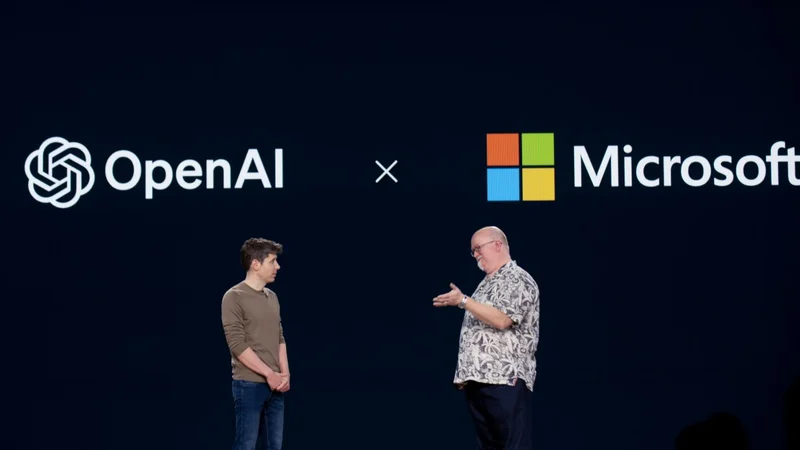
Image: The Verge AI
Main Takeaway
Court documents reveal Microsoft execs doubted OpenAI in 2018, fearing it might defect to Amazon and trash Azure.
Jump to Key PointsSummary
The 2018 Microsoft OpenAI emails
Microsoft executives were deeply skeptical about OpenAI's prospects in 2018, according to newly released court documents from the Musk v. Altman trial. The Verge reports that internal emails showed Microsoft's leadership questioning whether the AI startup would ever deliver meaningful results. This skepticism ran counter to the eventual $1 billion partnership announced in 2019.
The documents reveal a company caught between fear and opportunity. Wired notes that while Microsoft doubted OpenAI's technical claims, they were equally worried about the startup defecting to Amazon Web Services. This fear wasn't hypothetical. CNBC reports that OpenAI had been openly courting Amazon as a cloud provider, threatening to migrate workloads away from Azure.
The internal tension created a classic tech industry dilemma. Microsoft could either invest in a company they didn't fully trust, or watch it potentially become a competitor backed by their biggest rival. Windows Central adds that Google loomed as another threat, with Microsoft executives expressing concern that both Google and OpenAI could leap ahead in AI capabilities.
Why Gates and Nadella disagreed
Bill Gates personally warned Satya Nadella against investing in OpenAI, according to Business Insider's analysis of the trial evidence. Gates apparently viewed OpenAI as a risky bet that could drain resources without delivering returns. His concerns centered on OpenAI's research-heavy approach and uncertain commercial prospects.
Nadella, however, saw strategic value beyond immediate returns. The Verge reports that Nadella's calculus included defensive positioning against Amazon's growing AI capabilities. Internal emails showed him arguing that even a flawed partnership with OpenAI was preferable to letting AWS gain exclusive access to potentially breakthrough AI technology.
This disagreement reflected a broader philosophical split within Microsoft's leadership. Gates represented the traditional software mindset of clear deliverables and proven business models. Nadella embodied the cloud-era strategy of strategic bets and platform plays. The tension between these approaches nearly scuttled the deal that would later reshape both companies.
OpenAI's Amazon leverage play
OpenAI actively used Amazon as leverage during negotiations, according to trial documents cited by CNBC. The startup's executives made clear they had viable alternatives to Microsoft's cloud infrastructure, creating pressure for better terms. This wasn't mere posturing. Reuters reports that OpenAI had already begun preliminary discussions with AWS about hosting their workloads.
The Amazon threat carried particular weight because OpenAI's Dota 2 bot demonstrations had shown impressive technical capabilities. Microsoft executives worried that if OpenAI achieved similar breakthroughs in general AI while running on AWS, it would validate Amazon's platform and potentially give them access to cutting-edge models.
This dynamic created an unusual negotiation position where the smaller startup held significant leverage. OpenAI's ability to credibly threaten migration forced Microsoft to offer terms they might otherwise have rejected. The eventual deal structure reflected this imbalance, with Microsoft providing both funding and cloud credits while accepting limited control over OpenAI's research direction.
The Azure shit-talking concern
Microsoft's fear extended beyond simple defection. The Verge highlights internal emails where executives worried OpenAI would actively trash Azure's capabilities if they moved to Amazon. This concern wasn't unfounded. Tech companies routinely criticize former partners during competitive pitches, and OpenAI's technical credibility would make such criticism particularly damaging.
The specific phrase used in internal communications was that OpenAI might storm off to Amazon and shit-talk Azure. This colorful language reflected real business anxiety about reputation damage in the enterprise cloud market. Microsoft had spent years building Azure's credibility against AWS, and losing a high-profile AI customer could undermine those efforts.
This reputational risk added urgency to Microsoft's decision-making. The company had to weigh not just the financial investment in OpenAI, but the potential cost of negative publicity from a prominent defection. This calculation helped explain why Microsoft ultimately agreed to terms that gave OpenAI significant autonomy and cloud credits.
Google's shadow over the deal
Google's AI capabilities cast a long shadow over Microsoft's OpenAI deliberations. Windowscentral reports that Microsoft executives were very, very worried about Google maintaining its perceived lead in artificial intelligence. This concern intensified after Google's 2017 Transformer paper and subsequent advances in language models.
The Google factor created a three-way competitive dynamic. Microsoft couldn't simply evaluate OpenAI on its own merits. They had to consider how Google might benefit if Microsoft passed on the partnership. OpenAI's research trajectory suggested they might eventually compete directly with Google's AI services, making them a potential ally against Microsoft's biggest rival.
This triangulation ultimately tipped the scales toward investment. Microsoft leadership concluded that even a risky partnership with OpenAI was preferable to letting Google extend its AI lead unchallenged. The decision reflected broader strategic thinking about cloud competition, where AI capabilities were becoming key differentiators.
What this means for the current partnership
These 2018 revelations cast new light on Microsoft's current $10+ billion OpenAI partnership. The original skepticism and defensive motivations suggest the relationship was never based on pure strategic alignment. Instead, it emerged from a complex calculation of competitive risks and missed opportunity costs.
The documents help explain ongoing tensions between the companies. Recent reports indicate Microsoft has been pushing for more control over OpenAI's technology roadmap. This makes sense given their original doubts about OpenAI's direction and the massive investment required to make the partnership work.
Looking forward, these revelations suggest the Microsoft-OpenAI relationship remains fundamentally transactional. Both sides continue evaluating the partnership through a competitive lens, with Microsoft watching for defection risks and OpenAI maintaining leverage through alternative cloud options. This dynamic likely explains why the companies have renegotiated terms multiple times as OpenAI's value has increased.
Key Points
Microsoft executives including Bill Gates were highly skeptical about OpenAI's prospects in 2018
Fear of OpenAI defecting to Amazon and criticizing Azure drove Microsoft's investment decision
OpenAI actively used Amazon as leverage during negotiations for cloud hosting
Google's AI capabilities created competitive pressure that influenced Microsoft's calculus
The partnership emerged from defensive positioning rather than strategic alignment
Questions Answered
Microsoft feared OpenAI would partner with Amazon and potentially criticize Azure publicly, while also wanting to prevent Google from extending its AI lead unchallenged.
OpenAI used Amazon Web Services as credible leverage, threatening to migrate workloads and potentially giving AWS access to breakthrough AI technology.
Gates personally warned Satya Nadella against investing, viewing OpenAI as too risky, but Nadella overruled him based on strategic defensive considerations.
The relationship was built on competitive risk management rather than shared vision, explaining ongoing tensions and repeated renegotiations as OpenAI's value increased.
While OpenAI delivered breakthrough products like ChatGPT, the partnership has required continuous renegotiation and Microsoft's massive additional investments suggest their initial skepticism wasn't entirely misplaced.
Source Reliability
36% of sources are highly trusted · Avg reliability: 68
Go deeper with Organic Intel
Simple AI systems for your life, work, and business. Each one includes copyable prompts, guides, and downloadable resources.
Explore Systems