Tim Cook’s Apple Legacy: How Operational Discipline Turned Jobs’ Icon Into a Nearly $5 Trillion Giant
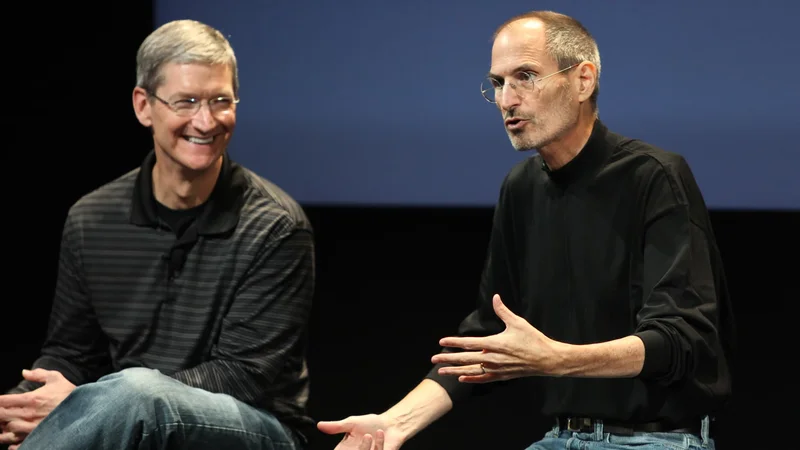
Image: Cnbc
Main Takeaway
Tim Cook expanded Apple from a $350 billion company into a nearly $5 trillion ecosystem by scaling the iPhone, services and disciplined operations after Steve Jobs.
Jump to Key PointsSummary
The succession that tested Apple
Tim Cook took over as Apple CEO on Aug. 24, 2011, succeeding Steve Jobs at a moment when the company’s identity appeared inseparable from its co-founder. Jobs had made Apple synonymous with tightly controlled design, dramatic product launches and the iPhone’s cultural impact. Cook inherited that foundation while facing immediate questions about whether an operations specialist could lead a company built around creative vision.
Fifteen years later, Apple’s market capitalization had risen from about $350 billion to roughly $4 trillion, with later measures placing its value near $4.85 trillion. The scale of that increase made succession the central fact of Cook’s tenure. He did not reproduce Jobs’ public persona. He built a different kind of leadership model around execution, capital allocation and institutional continuity.
Cook built on Jobs’ platform
Cook’s defining achievement was turning the iPhone into a durable global business while extending Apple beyond its flagship product. The iPhone still generated about half of Apple’s sales in 2025, but the company also built a broad ecosystem spanning services, wearables, payments, subscriptions and accessories. That structure gave Apple more recurring revenue and more ways to keep customers inside its hardware and software network.
The transition was visible in the company’s financial figures. Apple’s annual profit grew from about $2 billion in its earlier history to $112 billion, according to Fortune’s financial review. The company also became the first American business to reach a $1 trillion market value in 2018, a milestone that followed years of investor doubts about Apple’s post-Jobs direction. The financial results rested on products Jobs helped define, but Cook turned those products into a much larger commercial system.
Operations became a competitive advantage
Cook’s supply-chain background shaped Apple’s expansion. Before becoming CEO, he joined the company in 1998 from procurement and became known for coordinating manufacturing, inventory and suppliers at global scale. That expertise helped Apple produce millions of devices, manage launches across markets and protect margins while the iPhone business grew into one of the world’s largest consumer franchises.
The approach also changed how Apple created value. Jobs was associated with product breakthroughs and intense creative control; Cook emphasized predictable execution, financial discipline and a broader corporate role. One investor described him as more like the president of a country than the chief executive of a company, reflecting Apple’s size, geopolitical exposure and influence over suppliers, developers and consumers. Apple Park, conceived during the handover period, captured both sides of the company: Jobs’ grand visual ambition and Cook’s responsibility for delivering it.
The ecosystem carried the growth
Apple’s transformation depended on more than iPhone volume. The company used its installed base to sell services and connected devices, creating a revenue mix that was less dependent on any single product launch. Services added subscriptions and platform income, while wearables and accessories extended Apple’s presence beyond the phone. That ecosystem also strengthened customer retention because hardware, software and accounts worked together.
The model brought trade-offs. Apple’s scale made its financial performance more powerful, but it also increased scrutiny of its control over app distribution, payments and developer access. The company’s future growth therefore depends on maintaining premium demand while finding new product categories and services. Cook’s record shows that operational refinement can produce extraordinary value, though it does not answer whether Apple can generate another product with the cultural force of the iPhone.
A different definition of innovation
Cook’s legacy has divided observers because Apple’s greatest post-2011 gains came from scaling and extending existing strengths rather than unveiling a product as disruptive as the iPhone. Supporters view that as the point: he converted Jobs’ ideas into a global, cash-generating institution and kept the company growing after its founder’s death. Critics measure him against the rarer standard of creating a new category that reshapes consumer behavior.
That contrast makes the Jobs-Cook comparison less useful as a contest between personalities. Jobs supplied a product philosophy and a brand mythology; Cook supplied the machinery that expanded both across the world. The resulting company became more valuable, more financially diversified and more deeply embedded in daily life, even as questions about breakthrough innovation remained unresolved.
What Apple inherits next
John Ternus became Apple CEO on Sept. 1, inheriting a company valued at nearly $5 trillion and built around the operating model Cook refined. Ternus faces a higher bar than Cook did because Apple now has enormous revenue, a vast installed base and investors accustomed to sustained growth. Preserving margins and ecosystem loyalty will require careful capital decisions as well as new products.
Apple’s next chapter will test whether Cook’s operating system for the company can support another era of invention. The foundation includes the iPhone, services, supply-chain scale and substantial profits, but those assets also create pressure to defend the business from slowing upgrades, regulatory challenges and aggressive competition. Cook leaves behind an institution that no longer needs to imitate Jobs. Its challenge is proving that disciplined execution can keep producing fresh reasons for customers to buy.
Key Points
Apple grew from $350 billion to nearly $5 trillion during Tim Cook’s 15-year CEO tenure.
Tim Cook scaled the iPhone into a global engine while expanding Apple’s services and device ecosystem.
Apple’s annual profit rose from about $2 billion historically to $112 billion under its mature business model.
Steve Jobs defined Apple’s iconic products, while Cook institutionalized execution, supply chains and capital discipline.
John Ternus inherits Apple’s valuation, installed base and pressure to produce its next major growth engine.
Questions Answered
Tim Cook increased Apple’s value by scaling the iPhone globally and expanding services, wearables, subscriptions and accessories. Apple’s market capitalization grew from about $350 billion in 2011 to nearly $4 trillion or more by 2026.
Tim Cook did not introduce a product with the iPhone’s documented cultural impact. His major contribution was turning the iPhone and Apple’s other products into a tightly connected, highly profitable global ecosystem.
Tim Cook’s supply-chain experience helped Apple coordinate manufacturing, inventory, suppliers and worldwide product launches at enormous scale. That operating discipline supported higher sales, strong margins and more predictable execution.
Apple reached a $1 trillion market capitalization in 2018 during Tim Cook’s tenure. The milestone demonstrated that the company had continued growing after Steve Jobs’ death and leadership transition.
John Ternus succeeded Tim Cook as Apple CEO on Sept. 1, 2026. He inherited a nearly $5 trillion company built around the iPhone, services, supply-chain scale and a large installed customer base.
Source Reliability
58% of sources are trusted · Avg reliability: 70
Go deeper with Organic Intel
Simple AI systems for your life, work, and business. Each one includes copyable prompts, guides, and downloadable resources.
Explore Systems