Tesla Unveils Flying Roadster as SpaceX Technology Fuels Merger Speculation
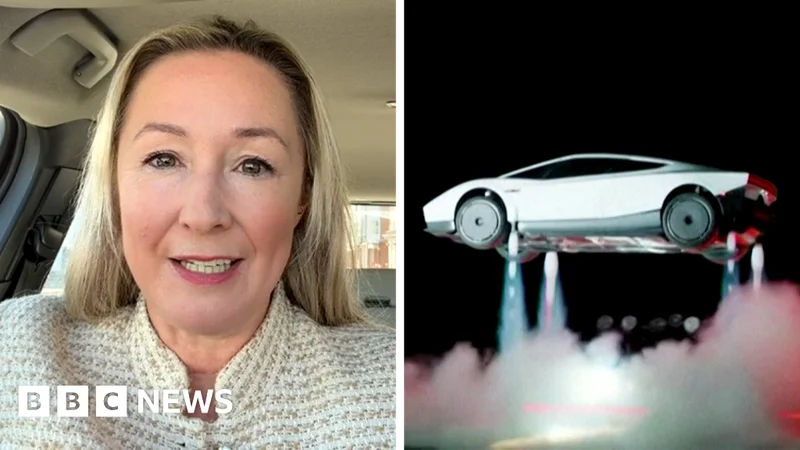
Image: Bbc
Main Takeaway
Tesla unveiled a SpaceX-equipped Roadster that flew and flipped during a Texas demonstration, while production targets and merger speculation pushed the electric automaker into the spotlight.
Jump to Key PointsSummary
A Roadster Takes Flight
Tesla unveiled its redesigned second-generation Roadster in Texas with a demonstration that sent the electric sports car into the air, marking the most dramatic public display yet for a vehicle first shown nearly a decade ago. The prototype used compressed-air thrusters and high-powered fans to climb an inverted ramp, launch, rotate in midair and return to the pavement. Multiple outlets described the maneuver as a brief hover or flight rather than sustained airborne travel.
The car also delivered the performance claim that has defined the Roadster program: acceleration from zero to 60 mph in under 1 second. TechCrunch described the vehicle leaping over a lineup that included a Cybercab, Cybertruck, Tesla Semi, Model Y and Model 3. The event took place at a SpaceX facility near Waco, Texas, reinforcing the close technical and branding connection between Musk's companies.
SpaceX Technology Shapes the Car
The Roadster's airborne demonstration depended on SpaceX-linked technology rather than conventional automotive hardware. Thrusters supplied the lift and maneuvering force, while a vacuum fan system helped keep the vehicle attached to the ramp before launch, according to coverage of the event. That combination turned a sports-car unveiling into a public test of propulsion equipment associated with rockets and spacecraft.
The engineering display also explains why Tesla's timeline has stretched so far. Former Tesla president Jon McNeill said in August that the Roadster's delay was tied to integrating SpaceX hovering technology and to bringing the 2 companies closer together. The debut gives that explanation a visible form, but it leaves practical questions around safety, certification, packaging, operating environments and the cost of producing the system at scale.
Production Remains Years Away
Tesla said the Roadster is planned to enter production in 2028, nearly 10 years after the second-generation model was first unveiled. The long delay has turned the vehicle into a test of Tesla's ability to convert ambitious demonstrations into a manufacturable product, especially after repeated missed deadlines. The current display showed a prototype performing a controlled maneuver at a prepared facility, not a production vehicle operating on public roads.
That gap matters because the Roadster's headline specifications depend on equipment that has no established role in everyday passenger vehicles. A production version would need to balance battery range, passenger protection, noise, maintenance, regulatory approval and the risks created by directing powerful air streams near people and property. Tesla's stated 2028 target gives reservation holders and investors a date, while the demonstration gives the company a marketing anchor. It doesn't settle the manufacturing challenge.
Merger Talk Returns
The unveiling revived speculation that Tesla and SpaceX could eventually combine. Musk paired the words “Tesla x SpaceX” with the Roadster livestream link, and the event was staged at a SpaceX facility with SpaceX technology visibly integrated into the vehicle. Neither company confirmed merger talks, however.
Analysts at Barclays said a Tesla-SpaceX deal could be announced before Tesla's annual shareholder meeting, Bloomberg reported before the unveiling. The Roadster's design gives the speculation a compelling visual symbol, but the corporate question remains separate from the vehicle's engineering demonstration. Any transaction would raise questions about valuation, governance, shareholder approval, regulation and the treatment of SpaceX's private-company interests.
Investors React to the Spectacle
Tesla shares rose in premarket trading after the unveiling, according to Bloomberg, while Yahoo Finance described the stock as popping after the demonstration. The reaction shows how strongly Tesla's market narrative remains tied to ambitious product announcements, even when the product is years from planned production. The Roadster offers investors a fresh story about performance, robotics-style control and cooperation across Musk's businesses.
The financial case still depends on execution. A prototype that flies for a short demonstration can attract attention, but revenue depends on deliveries, pricing, production capacity and customer acceptance. The event also places pressure on Tesla to explain how the thruster system fits into a regulated consumer vehicle and whether its benefits extend beyond spectacle. The Roadster has become both a product announcement and a public deadline for Tesla's promises.
What Happens Before 2028
Tesla's next milestones are technical validation, design finalization, regulatory review and evidence that the Roadster can be built consistently. The company has not indicated that the demonstrated flight capability will be available in every production vehicle or that owners will be permitted to use it outside controlled settings. Those details will determine whether the airborne feature functions as a core product capability or remains a limited demonstration mode.
For now, Tesla has delivered the visual moment it promised: a Roadster leaving the ground, turning in the air and returning to a SpaceX site. The 2028 production target, the vehicle's safety and certification path, and the unresolved Tesla-SpaceX merger speculation will shape the story from here. The launch created momentum, but manufacturing will decide whether the Roadster becomes a car or remains an unusually elaborate prototype.
Key Points
Tesla unveiled a thruster-equipped Roadster that flew, flipped and landed during a Texas demonstration.
SpaceX technology gives Tesla's delayed electric sports car its airborne demonstration capability.
Tesla targets 2028 production after nearly 10 years of Roadster delays and missed deadlines.
Elon Musk revived Tesla-SpaceX merger speculation by pairing both companies with the Roadster livestream.
Tesla shares rose after the unveiling, though certification and mass production remain unresolved.
Questions Answered
Tesla's new Roadster briefly launched into the air, rotated and landed during a controlled Texas demonstration. The vehicle used compressed-air thrusters and fan systems at a SpaceX facility, rather than operating as a conventional flying car on public roads.
Tesla plans to begin Roadster production in 2028. The vehicle has faced nearly 10 years of delays, and the company still needs to complete engineering, certification and manufacturing work.
SpaceX technology gives the Tesla Roadster compressed-air thrusters that provide brief airborne lift and maneuvering. Fans also helped hold the prototype against an inverted ramp before its launch.
Tesla and SpaceX have not confirmed a merger. Elon Musk's “Tesla x SpaceX” wording and analysts' comments renewed speculation, while the Roadster demonstration highlighted the companies' technical and branding ties.
The Tesla Roadster was delayed as the company pursued an unusually ambitious design incorporating SpaceX hovering technology. Former Tesla president Jon McNeill linked the delay to integrating that technology and bringing Tesla and SpaceX closer together.
Source Reliability
44% of sources are highly trusted · Avg reliability: 78
Go deeper with Organic Intel
Simple AI systems for your life, work, and business. Each one includes copyable prompts, guides, and downloadable resources.
Explore Systems