Taylor Swift Files Trademarks on Voice and Image to Fight AI Deepfakes
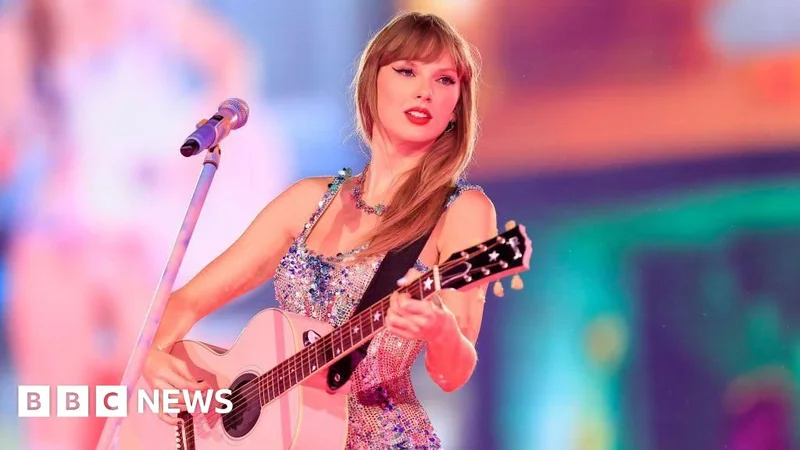
Image: Bbc
Main Takeaway
Taylor Swift files three trademark applications to protect her voice and likeness from AI misuse, setting a precedent for celebrity identity protection.
Jump to Key PointsSummary
What Swift actually filed
On April 24, TAS Rights Management, Swift's IP holding company, submitted three trademark applications to the U.S. Patent & Trademark Office. Two cover audio clips: one featuring Swift saying "Hey, it's Taylor Swift" and another with "Hey, it's Taylor." The third application protects a photograph of Swift performing on her Eras Tour. These filings mark the first time a major pop star has sought trademark protection specifically against AI-generated voice and image replicas.
The applications aren't just paperwork. According to trademark attorney Josh Gerben, they're "specifically designed to protect Taylor from threats posed by artificial intelligence." The move comes after years of Swift's image being used in unauthorized AI deepfakes, from fake political endorsements to explicit content that circulated widely in January 2024.
Why trademarks work against AI fakes
Traditional copyright law struggles with AI-generated content because machines don't create exact copies, they create new works that sound or look like the original. Trademarks offer a different legal weapon. When Swift trademarks her actual voice recordings and specific images, anyone using AI to replicate those exact sounds or visuals could face trademark infringement claims.
This strategy is gaining traction across Hollywood. Matthew McConaughey filed similar trademarks in March 2026 to protect his signature "alright, alright, alright" catchphrase from AI misuse. The approach sidesteps the murky waters of AI regulation by using century-old trademark law designed to prevent consumer confusion. If someone releases an AI-generated Taylor Swift song using her trademarked voice clips, Swift's team can argue it's misleading fans about the source of the content.
The precedent this sets for entertainment
Swift's filings represent more than celebrity self-protection, they're creating a blueprint for how the entertainment industry might defend against AI replication. Other artists are watching closely. Billie Eilish, Drake, and The Weeknd have all faced viral AI tracks using their voices without permission. Record labels are reportedly advising artists to trademark signature phrases, vocal patterns, and iconic images.
The strategy has limits. Trademarks protect specific recordings and images, not the general sound of someone's voice or their overall appearance. An AI system could still generate a new Taylor Swift-like voice that doesn't use her exact trademarked clips. But the filings raise the legal stakes for platforms hosting AI content and create clearer paths for takedown requests.
What happens next for AI and celebrity rights
The USPTO will likely take 12-18 months to process Swift's applications. If approved, she'll gain powerful new tools to combat AI misuse. But the bigger story is how quickly the entertainment industry is adapting intellectual property law to address AI threats. Expect to see similar filings from other major artists within months.
Congress is also paying attention. The NO FAKES Act, proposed legislation that would create federal rights against unauthorized AI replicas, has gained momentum partly due to high-profile cases involving Swift and other celebrities. Swift's trademark strategy might become unnecessary if comprehensive AI regulation passes, but for now, it's the strongest legal shield available. The filings also pressure AI companies to build better safeguards against celebrity impersonation, as the legal risks become more concrete.
The broader implications for AI governance
This case highlights a crucial tension in AI development. While AI companies race to create more realistic synthetic media, celebrities and creators are racing to protect their identities. Swift's trademark strategy shows how existing legal frameworks are being repurposed for AI challenges, rather than waiting for new AI-specific laws.
The approach could extend beyond entertainment. Politicians, athletes, and business leaders might follow suit, trademarking key speeches, catchphrases, and visual elements. This creates a new layer of IP complexity for AI developers who must now navigate not just copyright law, but potentially thousands of celebrity trademarks. It also raises questions about how far identity protection should extend, should every public figure trademark their voice to prevent AI misuse?
What this means for AI companies and platforms
AI companies face immediate pressure to implement better safeguards against celebrity impersonation. Platforms like YouTube, TikTok, and Spotify may need new policies for handling content that uses trademarked celebrity voices or images. The legal landscape is shifting from vague ethical concerns to concrete trademark violations with clear penalties.
For developers building voice synthesis or image generation tools, Swift's filings signal that the Wild West phase is ending. Expect more takedown requests, licensing demands, and potential lawsuits. Some startups might pivot to focusing on licensed celebrity voice replicas, creating official partnerships rather than unauthorized copies. The filings also give platforms stronger legal backing to remove AI celebrity content, they can point to trademark violations rather than navigating murky fair use arguments.
Key Points
Taylor Swift filed three trademark applications protecting specific voice recordings and an Eras Tour image against AI misuse
The strategy uses century-old trademark law to combat modern AI deepfakes, creating new legal precedent for celebrity protection
Matthew McConaughey filed similar trademarks in March, suggesting a broader Hollywood trend in AI defense strategies
The filings could accelerate legislative responses like the NO FAKES Act and force AI platforms to implement stronger celebrity impersonation safeguards
While limited to specific recordings/images, the approach gives celebrities concrete legal tools beyond vague copyright claims
Questions Answered
Two audio clips of her saying 'Hey, it's Taylor Swift' and 'Hey, it's Taylor,' plus a photograph of her performing on the Eras Tour. These are specific recordings/images, not her voice or appearance in general.
Trademarks prevent unauthorized use of specific protected content. If someone uses AI to replicate Swift's exact trademarked voice clips, she can claim trademark infringement rather than relying on weaker copyright arguments.
No. The trademarks only protect the specific recordings and images filed. AI could still generate new Taylor Swift-like voices or images that don't use her exact trademarked content.
Yes. Matthew McConaughey filed similar trademarks in March 2026. Industry experts expect more celebrities to trademark signature phrases, vocal patterns, and iconic images as AI threats grow.
The USPTO will review them over 12-18 months. If approved, Swift gains stronger legal tools to combat AI misuse. The process may also influence pending AI regulation like the NO FAKES Act.
Source Reliability
64% of sources are highly trusted · Avg reliability: 82
Go deeper with Organic Intel
Simple AI systems for your life, work, and business. Each one includes copyable prompts, guides, and downloadable resources.
Explore Systems