National Trust Rejects DOJ Pressure to Drop $400M Trump Ballroom Suit
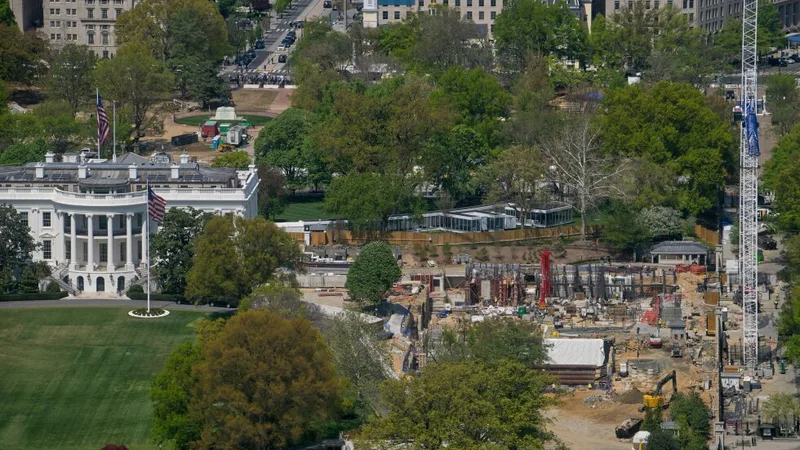
Image: Apnews
Main Takeaway
Preservation group refuses DOJ request to drop lawsuit over Trump's $400M White House ballroom after correspondents' dinner shooting.
Jump to Key PointsSummary
What the lawsuit is actually about
The National Trust for Historic Preservation filed suit in December 2025 to block construction of a $400 million ballroom on the site of the demolished East Wing of the White House. According to AP News, the group argues the project requires explicit congressional authorization, a point they maintain remains unchanged despite recent security concerns. The legal challenge centers on whether the president has unilateral authority to fundamentally alter the White House's historic structure without legislative approval.
U.S. District Judge Richard Leon has issued conflicting rulings throughout the case. In February 2026, he rejected the Trust's initial request to block construction, ruling the group was unlikely to succeed on the merits. However, by March 31, Leon reversed course and ordered construction suspended, stating "the president is a steward of the White House, not its owner" and that work cannot proceed "absent express authorization from Congress."
How the shooting changed the political calculus
The White House Correspondents' Dinner shooting on April 25, 2026, immediately became political ammunition for the ballroom project. According to The Guardian, Trump administration officials argued the incident proved the need for a "safe space" for presidential events. The Justice Department, led by acting Attorney General Todd Blanche, sent a letter to the National Trust demanding they drop their lawsuit by 9 a.m. Monday following the shooting.
Fortune reports that Trump and conservative allies seized on the security breach to renew their push for the ballroom, framing it as a protective measure rather than a luxury addition. This represents a strategic shift from the project's original justification as an entertainment venue to a security necessity. The DOJ's unusual intervention suggests the administration views the lawsuit as a significant obstacle to completing the project before potential political changes.
Why the National Trust refused to back down
The National Trust's refusal to withdraw the lawsuit reflects deeper principles about executive power and historic preservation. Despite DOJ pressure, the organization maintains that security concerns don't override the constitutional requirement for congressional approval of major White House modifications. Their position appears strengthened by Judge Leon's March ruling that explicitly required legislative authorization.
The Trust's stance also suggests confidence in their legal position. By declining the DOJ's request, they're betting that the courts will continue to side with the principle that the White House belongs to the American people, not any sitting president. This decision carries political risk, as they could face accusations of prioritizing historic preservation over security, but they've calculated that the legal precedent is worth the potential backlash.
What happens next in court
The lawsuit now enters a critical phase. Judge Leon's preliminary injunction halting construction remains in effect until Congress acts or higher courts intervene. The case could reach the D.C. Circuit Court of Appeals, where the fundamental question of presidential authority over White House modifications will receive thorough scrutiny.
Congressional action appears unlikely in the near term given divided control and competing priorities. This creates a potential stalemate where the ballroom project remains frozen while legal proceedings continue. The Trust's continued litigation suggests they're prepared for a lengthy battle that could extend well into future administrations, fundamentally reshaping how presidents can modify the White House complex.
The broader implications for presidential power
This case establishes crucial precedent about the limits of presidential authority over federal property. Judge Leon's ruling that presidents are "stewards, not owners" of the White House could constrain future executive branch ambitions for major renovations or expansions. The decision effectively creates a new requirement for congressional approval of significant structural changes to the executive mansion.
The legal battle also highlights tensions between security concerns and democratic oversight. The administration's attempt to leverage a security incident to bypass normal approval processes mirrors broader debates about emergency powers and executive authority. How this case resolves could influence not just White House modifications, but the balance of power between branches of government for generations.
Key Points
National Trust refuses DOJ request to drop $400M White House ballroom lawsuit despite security arguments after correspondents' dinner shooting
Judge Richard Leon ordered construction halted, ruling presidents need congressional approval for major White House changes
Trump administration seized on shooting incident to argue ballroom serves security purposes, not just entertainment
Legal precedent could constrain future presidents' ability to modify White House without legislative approval
Case highlights tensions between security concerns and constitutional limits on executive power over federal property
Questions Answered
The National Trust argues the $400 million ballroom project requires congressional authorization since it involves demolishing and replacing the White House's historic East Wing with a new structure.
The Justice Department demanded the National Trust drop its lawsuit by 9 a.m. the Monday following the White House Correspondents' Dinner shooting, arguing the incident proved the need for the ballroom as a secure venue.
Construction is halted under a preliminary injunction from Judge Richard Leon, who ruled work cannot proceed without express authorization from Congress.
The ruling establishes that presidents are "stewards, not owners" of the White House, potentially requiring congressional approval for any major structural modifications to the executive mansion.
Source Reliability
64% of sources are trusted · Avg reliability: 82
Go deeper with Organic Intel
Simple AI systems for your life, work, and business. Each one includes copyable prompts, guides, and downloadable resources.
Explore Systems