Iran's FM Abruptly Leaves Pakistan as Trump Axes Kushner-Witkoff Mission
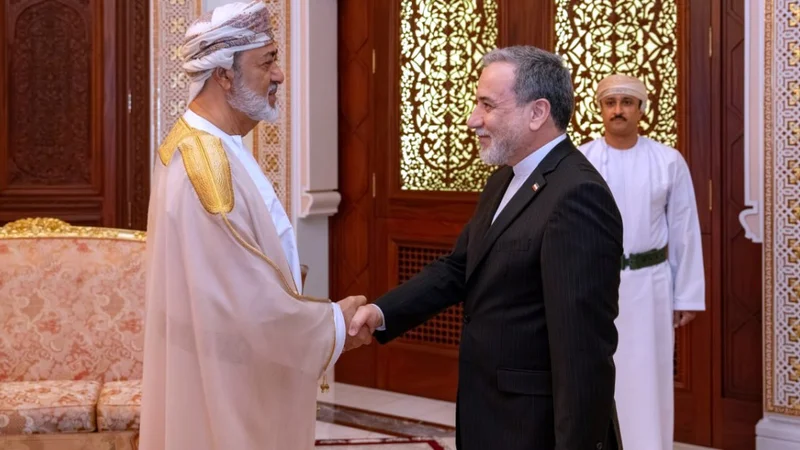
Image: Fortune AI
Main Takeaway
Araghchi's surprise exit triggers last-minute U-turn by White House; Islamabad scrambles to keep fragile ceasefire track alive.
Jump to Key PointsSummary
What happened this weekend in Islamabad
Iran's foreign minister Abbas Araghchi left Islamabad late Saturday without meeting U.S. envoys Steve Witkoff and Jared Kushner, prompting President Trump to cancel their Pakistan trip entirely. Araghchi returned Sunday morning for what Pakistani officials called "technical discussions," while the White House cited "scheduling conflicts" for the aborted U.S. mission. The flurry of travel created a diplomatic whiplash in a capital already under security lockdown for the anticipated talks.
Why Pakistan is the odd mediator
Islamabad finds itself awkwardly positioned between two adversaries who won't speak directly. Pakistani officials told Reuters they spent the weekend running messages between separate hotels housing Iranian and American delegations, a throwback to 1990s shuttle diplomacy. The arrangement suits both sides: Iran maintains its public stance of no direct talks with "the Great Satan," while Washington gets a face-saving channel through a nuclear-armed Muslim country it still calls a major non-NATO ally.
The Hormuz toll that's complicating everything
Behind the ceasefire optics, Iran is simultaneously pushing a separate initiative with Oman to levy transit fees on ships passing through the Strait of Hormuz. According to Fortune's sources in Muscat, Tehran wants $250,000 per tanker as "maritime security fees," a move that could add $5-7 per barrel to global oil prices. The dual-track approach has U.S. officials privately fuming, viewing it as classic Iranian wedge tactics: talk peace while tightening energy screws.
What happens next for the ceasefire talks
Pakistani military chief Asim Munir is now expected to travel to Tehran this week carrying a new American proposal that reportedly includes phased sanctions relief tied to maritime de-escalation. Iranian state media hints at "positive signals" but insists any deal must include Israeli withdrawal from Gaza positions. The next 72 hours look critical: if Araghchi's Moscow trip yields Russian backing for Tehran's Hormuz plan, Washington's leverage evaporates fast.
How this affects global oil markets
Energy traders are already pricing in a 15% risk premium for July crude futures, according to Bloomberg data. The Hormuz toll proposal alone could disrupt 21% of global oil flows if implemented. While OPEC+ has spare capacity, any Iranian military moves to enforce collection would trigger insurance rates to triple overnight. For context: when Iran seized the Stena Impero in 2019, Brent crude jumped $7 in 48 hours.
The real winners and losers
Pakistan emerges as the unlikely diplomatic broker, gaining leverage with both Washington and Tehran while distracting from its own economic crisis. Israel watches nervously as Gaza ceasefire talks become entangled with Iranian nuclear issues. Meanwhile, China quietly approves: every hour America spends on Iran-Pakistan shuttle diplomacy is one less hour focused on Taiwan and semiconductor restrictions. Russia's playing both sides, selling Tehran missile tech while offering to host follow-up talks in Moscow.
Key Points
Iran's foreign minister left Pakistan without meeting U.S. envoys, triggering Trump's cancellation of the Kushner-Witkoff mission
Pakistan serves as reluctant mediator between Iran and U.S. in indirect talks format
Iran simultaneously pursues Hormuz Strait transit fees with Oman while negotiating ceasefire
Oil markets already pricing in 15% risk premium due to potential Hormuz disruption
Next 72 hours critical as Pakistani military chief prepares new proposal for Tehran
Questions Answered
Iran maintains a long-standing policy against direct negotiations with Washington, viewing it as politically toxic domestically. The Islamic Republic's leadership frames any direct talks as legitimizing what they call 'the Great Satan.'
Pakistan seeks to balance its relationships with both Iran and the U.S. while gaining diplomatic leverage. As a nuclear-armed Muslim country with economic ties to both nations, Islamabad views mediation as enhancing its regional influence.
Iran's proposed $250,000 per tanker fee could add $5-7 per barrel to global oil prices, affecting 21% of global oil flows. Insurance rates would likely triple, creating additional costs passed to consumers.
Israel's Gaza operations have become linked to the ceasefire discussions, with Iran insisting any deal must include Israeli military withdrawal from Gaza positions. This adds another layer of complexity to already fraught negotiations.
Source Reliability
67% of sources are highly trusted · Avg reliability: 82
Go deeper with Organic Intel
Simple AI systems for your life, work, and business. Each one includes copyable prompts, guides, and downloadable resources.
Explore Systems