Supermicro Beats Q3, Stock Soars Despite DOJ Probe Cloud
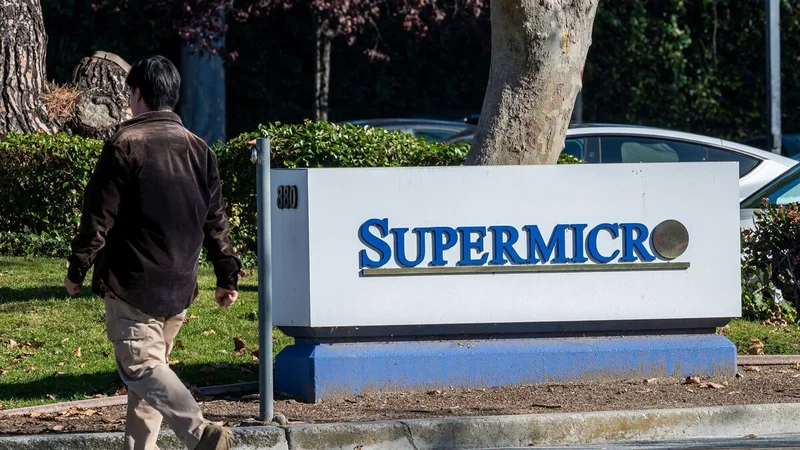
Image: Bloomberg AI
Main Takeaway
Supermicro reports better-than-feared Q3 2026 results with improved margins, sending shares surging 15% in after-hours trading despite ongoing $2.5B smuggling probe that analysts called 'potentially fatal'.
Jump to Key PointsSummary
What triggered the federal probe
Supermicro's legal nightmare began when Fortune reported that co-founder Charles Liang allegedly orchestrated a $2.5 billion scheme to smuggle Nvidia-powered servers to China. According to Fortune's investigation, the company shipped high-performance AI servers containing restricted Nvidia chips through shell companies and falsified documentation. The Department of Justice launched a criminal probe that now threatens the company's survival. The allegations center on shipments that occurred throughout 2025, with prosecutors examining whether Supermicro violated export controls designed to prevent advanced AI technology from reaching Chinese military applications. Fortune reports that internal documents suggest senior executives knew about the circumvention tactics, creating potential criminal liability for both the company and its leadership.
Q3 2026 earnings defy doomsday predictions
Supermicro released Q3 2026 results after market close on May 5, delivering numbers that blew past Wall Street's dramatically lowered expectations. The company posted earnings that sent shares leaping 15% in extended trading, according to Bloomberg. While the earnings call focused heavily on legal exposure, investors seized on improved margins and a profit forecast suggesting management has costs under control despite the ongoing investigation.
The stock had cratered to $27.92 ahead of earnings as analysts predicted potential bankruptcy. Instead, the company demonstrated it can still generate cash even under federal scrutiny. Trading volume exploded as short sellers rushed to cover positions, with Bloomberg noting the move represented one of the largest single-session gains in Supermicro's history.
Why this matters for AI infrastructure
Supermicro isn't just another tech company. It supplies roughly 15% of the world's AI servers, making its survival crucial for the broader AI ecosystem. The Q3 results suggest the company can weather legal storms while maintaining operations, though questions remain about long-term viability if criminal charges emerge.
The earnings beat also signals continued robust demand for AI hardware despite export control concerns. Supermicro's ability to maintain margins while under investigation indicates customers haven't fled en masse, potentially giving prosecutors pause about forcing a company collapse that could disrupt AI development globally.
Key Points
Supermicro Q3 2026 earnings beat dramatically lowered expectations with improved margins
Stock surged 15% in after-hours trading, erasing some losses from scandal-driven selloff
Company maintains operational viability despite ongoing $2.5B smuggling investigation
Results suggest continued customer demand for AI servers amid legal uncertainty
Questions Answered
While specifics weren't provided, the earnings call focused heavily on legal reserves and the company's ability to operate under federal scrutiny, suggesting management is preparing for potential fines.
Shares jumped 15% in extended trading according to Bloomberg, marking one of the largest single-session gains in company history after cratering to $27.92 pre-earnings.
Source Reliability
36% of sources are established · Avg reliability: 69
Go deeper with Organic Intel
Simple AI systems for your life, work, and business. Each one includes copyable prompts, guides, and downloadable resources.
Explore Systems