SEC and Big Ten Reject Bipartisan College Sports Bill as Saban Urges Congress to Act
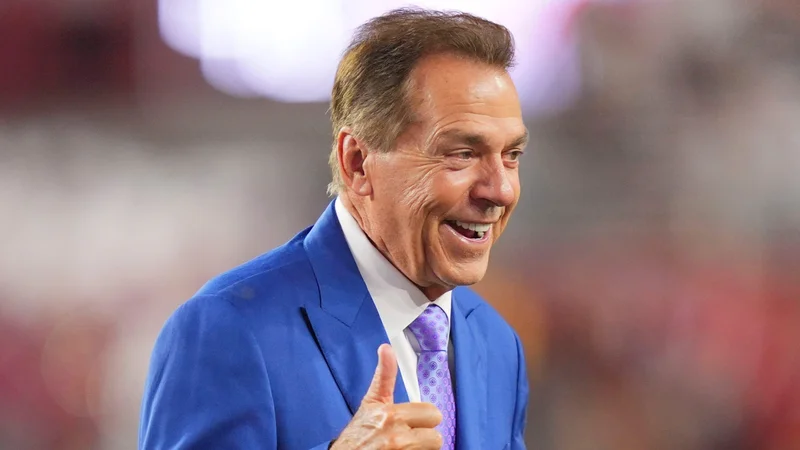
Image: Usatoday
Main Takeaway
Nick Saban testified for federal college sports reform as the SEC and Big Ten publicly opposed the Protect College Sports Act of 2026.
Jump to Key PointsSummary
Why Congress is intervening now
The Senate Commerce Committee held a hearing on June 3, 2026, to advance the Protect College Sports Act of 2026, a bipartisan bill introduced by Senators Ted Cruz and Maria Cantwell. The legislation aims to establish federal oversight of college athletics amid explosive growth in athlete compensation through NIL deals and unrestricted player transfers. According to ESPN, former Alabama coach Nick Saban told senators the system needs order, describing college sports as veering toward chaos without unified rules. The hearing brought together athletic directors, current players, and conference commissioners to assess whether Washington can succeed where the NCAA has failed.
Federal intervention has become more urgent as state laws fragment the regulatory environment. Some schools now spend upward of $40 million on football rosters, Fox News reports, while players move between programs with few restrictions. The patchwork approach has left athletic departments scrambling and created competitive imbalances that threaten smaller programs.
What the bill actually proposes
The Protect College Sports Act of 2026 contains several structural reforms designed to stabilize college athletics. According to USA Today, the legislation addresses NIL spending, transfer portal rules, and attempts to create a federal framework that preempts conflicting state laws. One notable provision would give conferences the option to pool their media rights, Fortune reports, though this mechanism was not fully developed in the current draft.
The bill also targets coaching contract structures and revenue distribution across conferences. AOL notes that supporters see it as a necessary correction to an arms race that has escalated beyond any single institution's control. Critics, however, argue the legislation may not go far enough in curbing the commercialization of amateur athletics or protecting non-revenue sports.
Saban's warning to lawmakers
Nick Saban emerged as the most visible advocate for congressional action during the hearing. According to Fortune, he described college sports as the biggest, baddest Ferrari going 150 mph toward the Grand Canyon, adding that somebody needs to tap the brakes. The seven-time national champion coach framed federal legislation as the only viable path to preserve competitive balance and protect student-athletes from exploitation.
Saban was not alone in his assessment. Notre Dame athletic director Pete Bevacqua, Pac-12 commissioner Teresa Gould, former university president Gordon Gee, and University of Utah defensive lineman Lance Holtzclaw also testified, per USA Today and AOL. Their collective message emphasized that voluntary conference rules and NCAA guidance have proven insufficient to govern an industry now generating billions in revenue. The Mining Journal noted Saban's appearance carried particular weight given his decades of dominance in the sport and reputation for institutional loyalty.
The SEC and Big Ten rebellion
The most significant obstacle to the bill's passage came from the two wealthiest and most influential conferences in college sports. The Southeastern Conference and Big Ten released a joint statement on June 2, 2026, declaring they do not support the current version of the legislation, Fortune reports. Their opposition carries outsized weight because together they control the bulk of media revenue and playoff access in football.
The conferences identified three specific shortcomings: the bill fails to meaningfully preempt state laws with federal standards, leaves critical issues unresolved, and does not address fundamental revenue distribution questions. This opposition effectively dooms the bill in its current form, since any legislation affecting college sports would need buy-in from the power conferences to be enforceable. Their absence from the hearing, noted by Fortune, signaled a deliberate snub rather than mere scheduling conflict.
What happens next for college sports reform
The path forward for federal legislation now depends on whether Cruz and Cantwell can negotiate modifications that satisfy SEC and Big Ten demands without alienating other stakeholders. According to The Business Journal, the bill was already facing criticism from some senators before the conference statement, suggesting a narrow window for compromise. Ted Cruz has called the legislation the last, best hope for college athletics, per Fortune, raising the stakes for successful revision.
Several scenarios remain possible. Congress could delay action and allow the NCAA to attempt another round of self-governance, though that approach has repeatedly failed. Alternatively, lawmakers might strip controversial provisions and advance a narrower bill focused solely on NIL transparency. The most likely outcome, based on historical patterns, is continued stalemate as the power conferences consolidate their influence and resist external oversight. Whatever unfolds, the hearing made clear that any durable reform must account for the financial and political reality that SEC and Big Ten preferences now effectively constitute veto power over national policy.
Key Points
Nick Saban testified before Congress supporting the Protect College Sports Act of 2026 federal reform bill.
The SEC and Big Ten publicly opposed the legislation, citing unresolved critical issues and weak state law preemption.
Some college football programs now spend over $40 million annually on roster compensation through NIL deals.
Senators Cruz and Cantwell introduced the bipartisan bill to regulate transfers, NIL, and coaching contracts nationally.
The power conferences' opposition effectively gives them veto power over any federal college sports legislation.
Questions Answered
The Protect College Sports Act of 2026 is a bipartisan Senate bill introduced by Ted Cruz and Maria Cantwell to establish federal oversight of college athletics. It addresses NIL compensation, transfer portal rules, and attempts to create unified national standards that preempt conflicting state laws.
Nick Saban testified because he believes college sports is heading toward systemic collapse without federal intervention. He described the current system as a Ferrari speeding toward a cliff and urged lawmakers to pass legislation bringing order to NIL spending and unrestricted player transfers.
The SEC and Big Ten oppose the bill because it fails to meaningfully preempt state laws with federal standards and leaves critical issues unresolved. Their joint statement effectively blocks passage since together they control the majority of college football revenue and playoff influence.
Some schools are spending upward of $40 million on football rosters for the upcoming season due to NIL deals and competitive pressure. This spending level has created arms race dynamics that smaller programs cannot match, threatening competitive balance across college athletics.
The bill's sponsors must now negotiate modifications to satisfy SEC and Big Ten demands, narrow its scope, or face legislative stalemate. Without power conference support, any federal legislation affecting college sports lacks practical enforceability regardless of congressional passage.
Source Reliability
50% of sources are established · Avg reliability: 64
Go deeper with Organic Intel
Simple AI systems for your life, work, and business. Each one includes copyable prompts, guides, and downloadable resources.
Explore Systems