Russia Orders German Cultural Centers Closed as Berlin Accuses Moscow of Airport Drone Attack
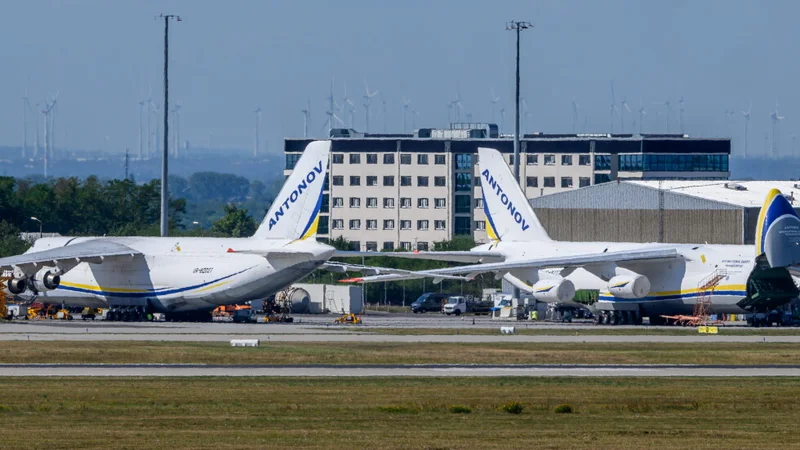
Image: Apnews
Main Takeaway
Russia will close German cultural centers after Germany blamed Moscow for an explosive drone found near a Ukrainian aircraft at Leipzig/Halle Airport.
Jump to Key PointsSummary
Russia announces retaliatory closures
Russia will close German cultural centers across the country, Foreign Minister Sergey Lavrov said on Sept. 3, escalating a diplomatic confrontation with Berlin over alleged Russian sabotage and Germany’s support for Ukraine. The measure was presented as retaliation after Germany accused Moscow of directing an attempted attack at Leipzig/Halle Airport.
The closures add a cultural dimension to a dispute already involving diplomatic expulsions, security investigations and allegations of hybrid warfare. Germany has announced plans to shut a Russian consulate, while Moscow’s response targets institutions that promote German language, education and cultural exchange. The decision reflects the widening distance between the 2 governments as Russia’s war in Ukraine continues.
The airport incident at the center
The confrontation centers on a drone carrying explosives that was found near a Ukrainian aircraft at Leipzig/Halle Airport on Aug. 4. German officials said the device was defused and described the incident as a serious escalation because of its proximity to civilian aviation and a plane linked to Ukraine.
After weeks of investigation, Berlin publicly blamed Russia for the attempted attack. Interior Minister Alexander Dobrindt and Foreign Minister Johann Wadephul said the incident formed part of a broader Russian campaign involving hybrid attacks designed to cause damage and exert pressure without open military confrontation, the Guardian reported. Germany’s government also announced the closure of a Russian consulate and other measures.
Berlin frames a wider campaign
German officials say the airport case belongs to a larger pattern of hostile activity attributed to Moscow. Berlin has described Germany as a daily target of Kremlin pressure, citing the combination of suspected sabotage, espionage and other forms of interference accompanying Russia’s war against Ukraine.
The public accusation marked a shift from the government’s earlier restraint. Officials had spent weeks examining the airport incident before assigning responsibility to the Russian state, according to the Guardian and the New York Times. That timing indicates the allegation carries significant diplomatic weight: Berlin moved from treating the drone as an isolated security threat to presenting it as evidence in a wider confrontation with Moscow.
Europe weighs its response
European governments face a difficult response to the alleged attack because they want to impose costs on Russia without triggering direct military conflict. EU leaders have discussed consequences while confronting the limits of sanctions, expulsions and other nonmilitary tools, according to Fortune.
Germany’s action against a Russian consulate and Russia’s planned closure of German cultural centers show how quickly security accusations can spill into diplomatic and public-facing institutions. Cultural centers typically support language instruction, academic ties and artistic exchange, so their closure will narrow channels that survived earlier political disputes. The measures also reinforce the broader European view that support for Ukraine has made member states targets of Russian pressure.
Cultural ties become diplomatic leverage
The planned closures turn cultural diplomacy into a direct instrument of retaliation. Lavrov’s announcement links German cultural activity in Russia to the dispute over Berlin’s response to the airport incident, placing educational and cultural institutions inside a conflict previously centered on security and foreign policy.
The move will affect the practical relationship between Russian and German civil societies, including access to language programs, events and institutional contacts. It also sends a signal to other European governments that measures taken in response to alleged Russian operations can produce reciprocal restrictions. The sequence illustrates how the Ukraine conflict has pushed Moscow and Berlin from political disagreement toward sustained confrontation across diplomatic, security and cultural channels.
What happens next
The next stage will center on Germany’s evidence for attributing the Leipzig/Halle incident to Russia and on whether European governments coordinate further measures. Berlin has already tied the airport case to a broader security assessment, while Moscow has answered with a concrete diplomatic penalty rather than accepting the accusation.
Further expulsions, consulate closures or restrictions on bilateral organizations would deepen the breakdown in official contact. The airport investigation also raises security questions for European transport hubs, particularly when suspected state-linked operations involve explosive devices and aircraft connected to Ukraine. For now, the dispute shows Russia and Germany using diplomatic and cultural institutions to contest responsibility, impose costs and signal resolve around the war.
Key Points
Russia is closing German cultural centers after Berlin blamed Moscow for an explosive drone incident at Leipzig/Halle Airport.
Germany says the airport drone was part of a wider Russian hybrid campaign targeting European countries supporting Ukraine.
Berlin announced plans to close a Russian consulate in response to the alleged airport attack.
European leaders are weighing penalties against Russia while trying to avoid direct military confrontation.
The retaliatory closures threaten language, education and cultural exchanges between German and Russian institutions.
Questions Answered
Russia is closing German cultural centers as retaliation for Germany’s accusation that Moscow directed an attempted explosive drone attack at Leipzig/Halle Airport. Foreign Minister Sergey Lavrov announced the measure after Berlin also said it would close a Russian consulate.
Germany says an explosive-laden drone was found near a Ukrainian aircraft at Leipzig/Halle Airport on Aug. 4 and was safely defused. German officials later attributed the attempted attack to the Russian state and connected it to a broader hybrid-attack campaign.
Germany accuses Russia of conducting hostile hybrid operations, including suspected sabotage and espionage, to damage and pressure European states supporting Ukraine. Berlin says the airport incident represents a serious escalation because it involved explosives near civilian aviation.
European governments are considering additional consequences for Russia while avoiding direct military confrontation. Germany has announced diplomatic action, and the closure of cultural centers shows the dispute is spreading beyond security policy into civil and cultural relations.
Russia and Germany face further deterioration in diplomatic relations as officials assess the airport evidence and possible additional retaliation. More consulate closures, expulsions or restrictions on bilateral institutions would reduce the remaining channels of official contact.
Source Reliability
50% of sources are highly trusted · Avg reliability: 84
Go deeper with Organic Intel
Simple AI systems for your life, work, and business. Each one includes copyable prompts, guides, and downloadable resources.
Explore Systems