Powell digs in: Fed chair refuses Trump pressure to resign early
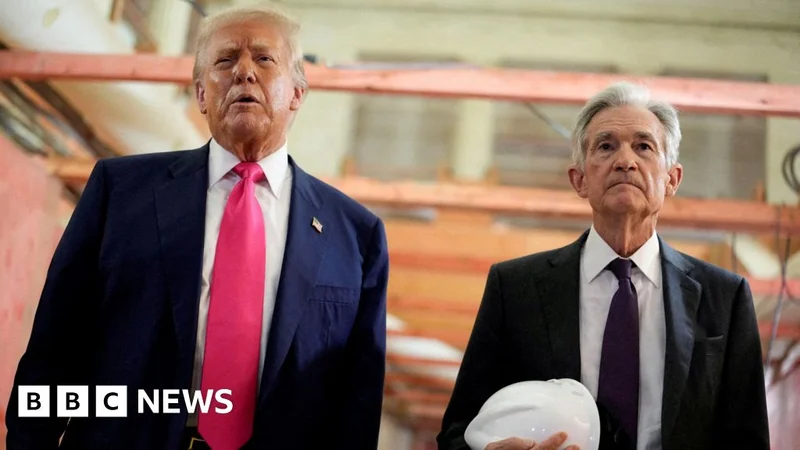
Image: Bbc
Main Takeaway
Jerome Powell says he'll stay on the Fed board past May 15, blocking Trump from naming a replacement and triggering a constitutional showdown over central.
Jump to Key PointsSummary
Powell's surprise stand
Federal Reserve Chair Jerome Powell told reporters Wednesday he will remain on the central bank's Board of Governors even after his four-year term as chair expires May 15, defying President Trump's months-long pressure campaign to force his resignation. According to Fortune, Powell cited "unprecedented legal attacks which threaten our ability to conduct monetary policy without considering political factors" as his reason for staying put. The move effectively blocks Trump from appointing a new Fed chair without Senate confirmation, since Powell's separate 14-year term as a governor runs until 2028.
The constitutional chess match
This isn't just bureaucratic stubbornness. Legal experts across multiple outlets agree Trump cannot simply fire Powell without cause, a protection baked into the Federal Reserve Act since 1935. As CBS News explains, removing a Fed governor requires "inefficiency, neglect of duty, or malfeasance in office" - none of which Trump has credibly alleged. American Banker notes Powell was unusually blunt: "I and other officials cannot be ousted or demoted by the president without cause." The standoff creates an unprecedented situation where a lame-duck Fed chair continues wielding influence over monetary policy while refusing to vacate his seat.
Trump's rate cut obsession meets reality
The president's frustration stems from Powell's refusal to slash interest rates despite Trump's repeated demands. Fortune reports the Fed held rates steady at 3.5-3.75% Wednesday in what may be Powell's final policy decision, with four dissents suggesting internal disagreement about hawkish policy. Trump has publicly attacked Powell as a "major loser" and claimed his "termination cannot come fast enough," according to CNN, but these tantrums haven't moved the needle. The irony isn't lost on observers: Trump appointed Powell in 2017 after passing over Janet Yellen, and now finds himself politically handcuffed by his own choice.
Why Powell's move changes everything
By refusing to step down from the Board of Governors, Powell transforms what should be a routine transition into a stress test for American institutions. NPR frames it as a "seismic moment" where the world's top central banker stared down a president and forced the Justice Department to blink. The New Yorker sees broader lessons about institutional resilience when individual leaders choose defiance over accommodation. This precedent could embolden other independent agency heads facing political pressure, from the SEC to the CFPB.
What happens next
The immediate consequence is gridlock: Trump cannot install a new Fed chair without Senate confirmation, and Powell remains a voting member of the board. Bloomberg analysts suggest markets will likely shrug in the short term, assuming continuity in policy. But the longer-term implications are messier. If Powell continues attending meetings as a regular governor, he could influence rate decisions even without the chair's gavel. More importantly, this sets up a potential Supreme Court battle if Trump tries creative legal theories to remove him. For now, Powell appears content to play the long game, telling associates he'll leave only when DOJ investigations into Fed independence are "well and truly over."
Key Points
Powell will stay on Fed board past May 15, preventing Trump from naming replacement without Senate approval
Legal consensus: Trump cannot fire Powell without cause under Federal Reserve Act protections
Conflict centers on Trump's demands for rate cuts that Powell has consistently rejected
Creates unprecedented situation with lame-duck Fed chair continuing to wield influence
May trigger Supreme Court battle if Trump pursues creative removal methods
Questions Answered
No. The Federal Reserve Act requires "inefficiency, neglect of duty, or malfeasance" to remove a Fed governor. Trump hasn't alleged any of these, and legal experts across multiple outlets agree the president lacks this authority.
Powell has a separate 14-year term as a Fed governor that runs until 2028. His four-year term as chair expires May 15, but he can remain a governor with voting rights, effectively blocking Trump's appointment power.
Months of Trump's public pressure for Powell to cut interest rates, including personal attacks calling him a "major loser" and claiming his "termination cannot come fast enough." Powell has refused to lower rates as Trump demanded.
Bloomberg analysts expect short-term market stability due to policy continuity, but longer-term uncertainty grows if the standoff persists. Powell's defiance may actually reassure investors about Fed independence.
Source Reliability
54% of sources are highly trusted · Avg reliability: 78
Go deeper with Organic Intel
Simple AI systems for your life, work, and business. Each one includes copyable prompts, guides, and downloadable resources.
Explore Systems