OpenAI’s Images 2.6 Brings Native GIF Creation, Frame Editing, and Faster Image Generation to ChatGPT
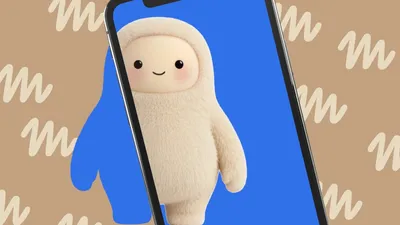
Image: The Verge AI
Main Takeaway
OpenAI’s Images 2.6 lets ChatGPT users create animated GIFs from prompts or photos, edit individual frames, control playback speed, and share results.
Jump to Key PointsSummary
Images 2.6 expands ChatGPT creation
OpenAI’s Images 2.6 adds native animated GIF creation to ChatGPT, turning a text prompt or uploaded photo into a moving, shareable loop. The rollout began on November 4 across ChatGPT and Codex experiences, with access extending across web, desktop, and mobile apps. The feature brings animation into the same conversational workflow users already use for still-image generation.
The release also targets speed and image-editing precision. OpenAI describes Images 2.6 as a faster image-generation model with more exact edits, while coverage from The Verge and The Decoder focuses on the GIF workflow as the most visible change. The product arrives as OpenAI competes with Google’s increasingly prominent image-generation tools, including Nano Banana Pro.
How GIF creation works
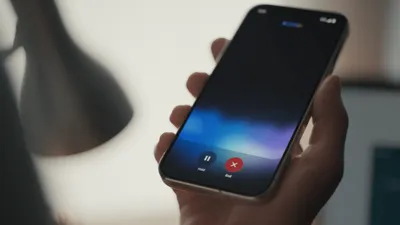
Users can describe an animation in ordinary language or upload an existing photo for ChatGPT to animate. After generation, ChatGPT provides controls for changing playback speed, inspecting frames individually, revising selected frames, and sharing the finished GIF. Those controls move the feature beyond one-shot generation by giving users a way to shape the result after the initial prompt.
The workflow addresses a familiar gap in consumer AI tools: creating a short animation has traditionally required separate image, video, or editing software. The Verge reported that ChatGPT previously lacked a native one-step GIF maker. Examples highlighted in coverage include bringing static images to life and producing simple looping scenes, a format that fits social posts, messages, presentations, and lightweight marketing work.
What changes for developers
Images 2.6 also extends beyond ChatGPT, with OpenAI introducing 2 new API models for developers. The company’s announcement positions the release across ChatGPT, Codex, and the API, giving builders access to faster image generation and additional controls alongside the consumer-facing GIF feature. The published material does not establish that the API models generate GIFs in exactly the same way as ChatGPT, so the consumer workflow and developer offering should be treated as related parts of the release rather than identical products.
The API expansion matters because animation features are useful in product interfaces that need rapid visual iteration, such as creative tools, education software, social applications, and campaign systems. OpenAI also said users now create more than 4 billion images each week, a figure cited by The Next Web. That volume gives the company a large base for testing whether conversational editing can become a routine creative workflow.
Competition in AI image generation
Images 2.6 arrives during a sharper contest over AI image quality, speed, and control. Business Insider framed the release as OpenAI’s response to Google’s viral Nano Banana Pro, while other coverage emphasized practical product features rather than benchmark claims. The competitive pressure is visible in the decision to pair model improvements with an immediately understandable capability: a chatbot that makes and edits GIFs without sending users to another application.
OpenAI’s move also builds on the company’s earlier expansion of ChatGPT into image generation and web-connected assistance. CNBC’s 2023 account described image generation as part of ChatGPT’s broader shift from text-only answers toward multimodal interaction, though that article predates Images 2.6 by several years. The new release continues that direction by combining generation, editing, animation, and sharing inside one interface.
Limits and open questions
Images 2.6’s clearest benefits are convenience and control, but important product details remain unclear. OpenAI’s announcement identifies faster generation, GIF creation, editing improvements, and API controls, while several secondary reports describe the rollout as gradual. Coverage also differs on whether Images 2.6 had received a conventional public product announcement before the GIF feature appeared in ChatGPT.
The feature’s practical value will depend on output quality, consistency between frames, generation speed, access limits, and how much editing users can perform without repeatedly regenerating an animation. Those details matter for developers deciding whether to build around the API and for creators comparing ChatGPT with dedicated animation tools. The initial release establishes the workflow, while broader adoption will test whether conversational GIF editing becomes more than a novelty.
What happens next
OpenAI’s next challenge is turning a striking demo into a dependable creative utility. Users can already generate GIFs from prompts and photos, adjust speed, edit frames, and share results, while developers receive new image-model options through the API. That combination gives the release relevance across casual creation, social content, prototyping, and software products.
Competition will keep attention on quality and control. Google’s image tools raise the bar for consumer expectations, and OpenAI’s stated image-generation volume gives the company a large audience for refining the experience. If frame editing becomes reliable and the API exposes comparable capabilities, Images 2.6 will position ChatGPT as a broader visual production tool rather than a still-image generator with a chat interface.
Key Points
OpenAI’s Images 2.6 adds native animated GIF creation and editing to ChatGPT.
ChatGPT users can animate prompts or photos, adjust speed, revise frames, and share GIFs.
OpenAI introduced 2 API models alongside Images 2.6 for developer image-generation workflows.
Images 2.6 arrives as OpenAI competes with Google’s Nano Banana Pro image model.
OpenAI says ChatGPT users generate more than 4 billion images each week.
Questions Answered
OpenAI Images 2.6 is a new image-generation model powering faster creation, precise editing, and animated GIF features in ChatGPT. It is also connected to new API models for developers.
ChatGPT Images 2.6 can turn uploaded photos into animated GIFs. Users can also describe an animation with text and then adjust speed, inspect frames, edit content, and share the result.
Images 2.6 lets ChatGPT users change playback speed and revise individual frames after generation. The workflow includes frame inspection and sharing tools inside ChatGPT.
OpenAI introduced 2 new API models alongside Images 2.6. The release connects the model family to developer workflows, although the available details do not confirm that API users receive the same native GIF interface as ChatGPT.
OpenAI launched Images 2.6 as competition intensifies around AI image quality, speed, and editing control. The release gives ChatGPT a practical animation feature as Google’s Nano Banana Pro gains attention.
Source Reliability
27% of sources are highly trusted · Avg reliability: 66
Go deeper with Organic Intel
Simple AI systems for your life, work, and business. Each one includes copyable prompts, guides, and downloadable resources.
Explore Systems