OpenAI Faces 30 New Lawsuits Over ChatGPT’s Alleged Role in Tumbler Ridge Shooting
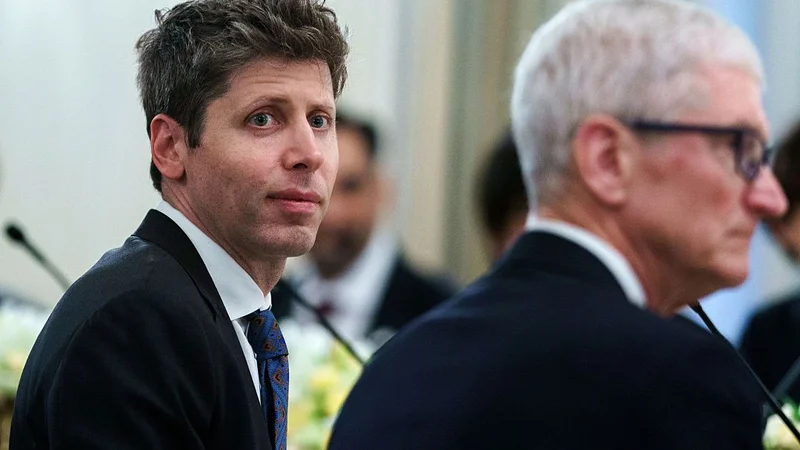
Image: TechCrunch AI
Main Takeaway
OpenAI faces 30 new lawsuits from Tumbler Ridge shooting survivors and families alleging ChatGPT interactions raised warnings the company failed to share with authorities.
Jump to Key PointsSummary
Lawsuits widen beyond victims’ families
OpenAI faces 30 additional lawsuits tied to the Tumbler Ridge school shooting in British Columbia, expanding litigation beyond the seven complaints filed earlier this year. The new plaintiffs include students, teachers, a principal and other people who were inside the school during the attack, according to TechCrunch. Families of people killed or injured are also pursuing claims against the ChatGPT maker and its leadership.
The cases accuse OpenAI of bearing responsibility for conduct connected to the suspected shooter’s interactions with ChatGPT. Bloomberg reported that the lawsuits claim the company could have prevented the attack by alerting law enforcement to messages exchanged with the chatbot. CBC, BBC and NPR also described a new wave of claims focused on alleged failures in safety systems and warning procedures.
What the complaints allege
The central allegation is that OpenAI received signals through ChatGPT conversations that should have triggered intervention before the shooting. The plaintiffs argue that the company prioritized product image and growth over safety, an accusation reflected in NPR’s account of the litigation and echoed in coverage by KQED and CBS News. The complaints seek to connect the chatbot’s design and moderation decisions with the harm suffered at the school.
Edelson PC, the firm representing the plaintiffs, is adding claims described as aiding and abetting, while naming OpenAI executive Chris Lehane in the new filings, TechCrunch reported. Forbes said attorney filings and public comments indicate that OpenAI and Chief Executive Sam Altman face further legal exposure. The allegations remain claims in active litigation, and the lawsuits will have to establish causation, notice and the company’s legal duties.
The Canadian response takes shape
A Canadian province is preparing its own lawsuit against OpenAI, turning the dispute from a series of private actions into a broader government confrontation. The planned case concerns the shooting and the alleged role of ChatGPT, according to the South China Morning Post, Le Monde and Al Jazeera. The provincial action would add public-sector claims to the individual lawsuits filed by survivors and families.
The government’s involvement raises questions about costs, emergency response and public responsibility after a mass-casualty attack. It also puts pressure on Canadian authorities to define how online platforms should cooperate with police when artificial intelligence systems detect threatening behavior. The precise claims, damages and filing timetable for the provincial case were not detailed across the reports, leaving the legal strategy to be clarified in future proceedings.
OpenAI’s safety duties under scrutiny
The lawsuits place ChatGPT’s monitoring and escalation practices at the center of the case. Plaintiffs are arguing that a conversational system capable of identifying dangerous content should have had stronger safeguards for messages associated with a real-world threat. Their claims also test whether an AI company has a duty to contact authorities when user conversations cross from disturbing speech into credible violence warnings.
That question has no single answer in the reported filings. Privacy obligations, user confidentiality, platform liability and the difficulty of distinguishing fantasy from intent will all shape the litigation. KQED and NPR framed the dispute around product design and safety priorities, while Bloomberg emphasized the alleged failure to inform law enforcement. The cases therefore reach beyond one shooting, targeting the rules companies apply when automated systems encounter possible threats.
Why the cases matter for AI companies
The litigation creates direct pressure on OpenAI’s handling of violent-threat signals and could influence how rival AI companies design detection, review and reporting systems. A ruling for the plaintiffs would give victims a stronger path to seek damages from chatbot providers after offline violence. A ruling for OpenAI would reinforce limits on liability where a user’s conduct, rather than a platform’s actions, is the immediate cause of harm.
The number of plaintiffs also changes the commercial stakes. Thirty new complaints increase discovery demands and expose internal decisions about model behavior, safety reviews and communications with authorities. Coverage from Forbes, Canadian Affairs and CBC described the filings as part of a widening wave rather than an isolated claim. That pattern gives the cases significance for product teams, insurers, schools and governments that are writing policies for generative AI use.
What happens next in court
The next phase will focus on whether the complaints can proceed, what evidence OpenAI must produce and whether the plaintiffs can show a legally sufficient link between ChatGPT activity and the Tumbler Ridge attack. The earlier seven lawsuits and the 30 new filings will also test whether claims can be coordinated or consolidated.
OpenAI, Altman and other named parties will have opportunities to contest the allegations, challenge jurisdiction and dispute the claimed connection between chatbot conversations and the shooting. Families, survivors and provincial officials are pressing ahead at the same time, creating parallel civil proceedings in Canada and the United States. BBC, CBS News, CBC and The Indian Lawyer all described the litigation as an expanding legal challenge for the company.
Key Points
OpenAI faces 30 new lawsuits from Tumbler Ridge shooting survivors, families, teachers and school administrators.
Plaintiffs allege ChatGPT messages contained warning signs OpenAI should have reported to law enforcement.
Edelson PC is pursuing aiding and abetting claims while naming Sam Altman and Chris Lehane.
A Canadian province is preparing a separate lawsuit over OpenAI’s alleged connection to the shooting.
The cases will test chatbot liability, privacy duties and corporate responsibility for credible violence threats.
Questions Answered
OpenAI is being sued because plaintiffs allege ChatGPT interactions with the suspected shooter contained warning signs that the company failed to report to law enforcement. The lawsuits argue that OpenAI’s safety and monitoring practices contributed to the harm suffered by victims and survivors.
OpenAI faces 30 additional lawsuits tied to the Tumbler Ridge shooting. They follow seven earlier complaints and include students, teachers, a principal, survivors and families of victims.
A Canadian province is preparing a separate lawsuit against OpenAI over the Tumbler Ridge shooting. The planned case would add a government claimant to the private lawsuits brought by families and survivors.
The plaintiffs claim ChatGPT conversations raised concerns about the suspected shooter’s conduct and that OpenAI should have informed authorities. Their legal theories include failures involving safety, monitoring, warnings and alleged aiding and abetting.
The lawsuits could affect other AI companies by influencing standards for threat detection, escalation and cooperation with law enforcement. A major ruling would shape liability expectations for chatbot providers, schools, insurers and public agencies.
Source Reliability
73% of sources are highly trusted · Avg reliability: 81
Go deeper with Organic Intel
Simple AI systems for your life, work, and business. Each one includes copyable prompts, guides, and downloadable resources.
Explore Systems