New York City Pauses Generative AI for 600,000 Students Through Eighth Grade
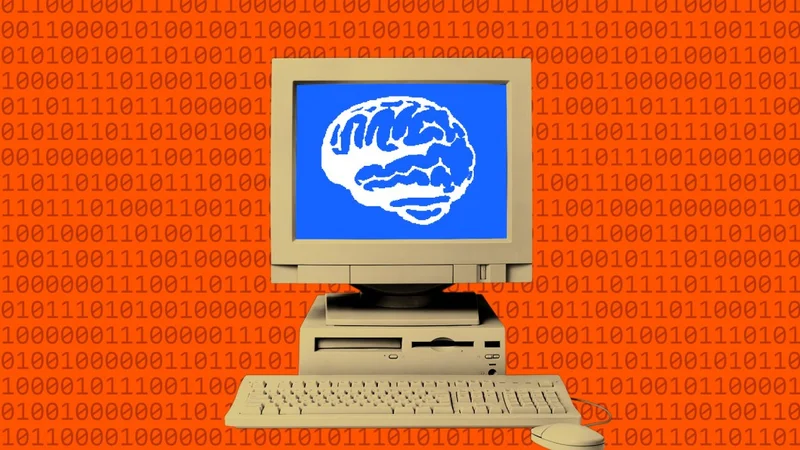
Image: The Verge AI
Main Takeaway
New York City will bar student-facing generative AI from 2-K through eighth grade during the 2026-2027 school year, while testing limited classroom tools.
Jump to Key PointsSummary
What New York City announced
New York City will impose a one-year moratorium on student-facing generative AI for children in 2-K through eighth grade during the 2026-2027 school year. The policy covers nearly 600,000 students in the nation’s largest public school system and takes effect alongside tighter limits on digital devices, according to city education officials.
The restriction reaches elementary and middle schools, leaving high school students outside the moratorium’s stated scope. Mayor Zohran Mamdani announced the policy with Schools Chancellor Kamar Samuels. City guidance also addresses companion chatbots, which are covered by the broader limits on student use of generative AI.
Why officials are pausing AI
The administration is framing the pause as a student-first measure focused on learning, attention and developmental readiness. Mamdani has said he doesn’t use AI himself, a personal position that helps explain the policy’s deliberately restrictive tone, while the education department is pairing the moratorium with a small pilot for AI education tools.
The policy arrives as schools continue sorting out how chatbots affect writing, homework and classroom participation. A ban through middle school gives teachers and administrators time to establish clearer boundaries before students reach high school, where AI literacy and supervised use can be introduced under a different set of expectations. Public pressure for a longer pause has also surfaced around the city’s schools, according to K-12 Dive.
What the rules cover
The moratorium applies to student-facing generative AI in grades 2-K through eight, rather than banning every form of software that uses machine learning. The city’s announcement also bars companion chatbots across the covered grades and introduces additional restrictions on digital devices, making the policy part of a wider effort to reduce screen dependence in schools.
Teachers’ use of AI tools is also addressed in the new Department of Education rules, although the available details distinguish classroom tools from the student-facing systems covered by the moratorium. A limited pilot will test selected AI education tools, creating a controlled exception for evaluation rather than opening broad access. The city’s guidance is expected to determine how schools handle approved tools, staff use and enforcement.
The debate over a broad moratorium
New York’s decision places one of the largest school systems in the United States at the center of the debate over when children should use generative AI. Supporters gain a clear rule that is easier to communicate than a patchwork of classroom policies, while critics face questions about whether a blanket restriction limits early digital literacy and widens differences between public schools and students with access at home.
The one-year duration also makes the policy a test rather than a permanent settlement. The city can use the pilot, teacher experience and student outcomes to refine its approach before the next school year. Coverage from local and national outlets describes the move as a broad elementary and middle school ban, while advocacy around a 2-year pause shows that the duration remains part of the public argument.
What happens during 2026-2027
Schools will begin the 2026-2027 year with student-facing generative AI restricted from 2-K through eighth grade, alongside the device limits and the pilot program. High school remains the point at which the city’s stated moratorium ends, although the policy’s practical effect will depend on detailed guidance for teachers, approved software and classroom enforcement.
The next phase will center on implementation. Administrators must translate the citywide rule into classroom practice, educators must identify permitted instructional uses, and families will need clarity about what students can access on school systems. The pilot will provide the city with an evidence base for deciding whether to extend, narrow or replace the moratorium after its 1-year term.
Why the policy matters nationally
New York City’s moratorium gives other districts a prominent model for delaying student access while preserving a narrow path for supervised experimentation. Its scale, nearly 600,000 students, makes implementation consequential for education technology companies, teachers and policymakers beyond the city.
The policy also sharpens a national choice between restricting chatbots until older grades and teaching structured use earlier. New York City has chosen a temporary ban for younger students, backed by a limited pilot rather than unrestricted adoption. The outcome will depend on whether the pause improves classroom focus and learning while leaving students prepared for the AI tools they will encounter in high school, college and work.
Key Points
New York City will restrict student-facing generative AI for nearly 600,000 students through eighth grade.
The 1-year moratorium covers 2-K through eighth grade during the 2026-2027 school year.
Companion chatbots and additional digital device limits are included in the city’s school rules.
A small pilot will test selected AI education tools under controlled classroom conditions.
High school students remain outside the announced moratorium’s grade-level scope.
Questions Answered
New York City will restrict student-facing generative AI and companion chatbots for students in 2-K through eighth grade during the 2026-2027 school year. The 1-year moratorium covers nearly 600,000 public school students.
New York City’s announced moratorium does not cover high school students. The restriction applies through eighth grade, making high school the point where the city’s stated pause ends.
New York City is restricting generative AI to prioritize student learning, attention and developmental readiness. The policy also responds to broader concerns about chatbots, homework, writing and classroom participation.
New York City will run a small pilot for selected AI education tools during the moratorium. The pilot creates a controlled way to evaluate classroom applications while broader student-facing access remains restricted.
New York City’s announced school AI moratorium will last 1 school year, covering 2026-2027. Public pressure has included calls for a 2-year pause, but the city announced a 1-year term.
Source Reliability
54% of sources are trusted · Avg reliability: 81
Go deeper with Organic Intel
Simple AI systems for your life, work, and business. Each one includes copyable prompts, guides, and downloadable resources.
Explore Systems