Mbappé Loses Chinese Endorsements After Mao Joke Triggers Online Backlash
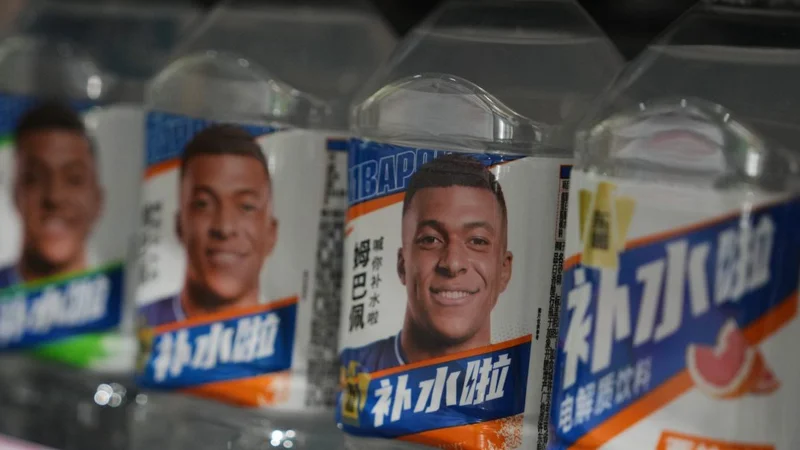
Image: Fortune AI
Main Takeaway
Kylian Mbappé apologized after a Mao Zedong remark triggered backlash in China and the loss of sponsorships from major Chinese brands.
Jump to Key PointsSummary
What triggered the backlash
Kylian Mbappé apologized on October 27 after a television comment about a meme was interpreted as referring to Mao Zedong, the founding leader of the People’s Republic of China. The remark drew online anger in China and led consumer brands to end or suspend sponsorship relationships with the French soccer star.
The incident began when Mbappé was asked on a French television program about his favorite meme featuring himself. He appeared to describe an image connected to Mao, while also referring to the Chinese leader as a dictator. The wording quickly circulated online, where critics said it insulted a central national figure. Bloomberg and BBC News described the episode as the latest example of a foreign celebrity facing commercial consequences after crossing a political or cultural sensitivity in China.
Mbappé issues an apology
Mbappé said his comment was ill-judged and acknowledged that it hurt people in China and Chinese communities around the world. He apologized to everyone upset by his words and said causing offense was not his intention.
The apology followed the loss of multiple Chinese commercial relationships. Fortune AI reported that 3 Chinese companies had moved against Mbappé, while Bloomberg AI identified 2 consumer brands cutting ties. France24 described the losses as 2 major China sponsorship deals. The differing counts reflect varying descriptions of terminated, suspended, or otherwise affected partnerships, but the commercial response is clear.
Brands respond to public pressure
Chinese companies acted as online criticism intensified, showing how quickly celebrity endorsements can become liabilities when a remark is read as disrespectful toward national symbols. The affected brands were tied to Mbappé’s profile as an international soccer star with a large commercial audience in China.
Coverage identified the episode as part of a wider pattern involving foreign celebrities and companies operating in the Chinese market. Hongkongfp characterized the backlash as an offense to national sentiment, while ESPN and Queen City News focused on the alleged dictator comment. The reaction also reached sports media and commercial reporting, with Yahoo Sports linking the controversy to LaLiga coverage in China and Finance Yahoo reporting pressure on On Holding shares after Mbappé lost Chinese sponsors.
Why the China market matters
The sponsorship fallout shows the commercial risk attached to public figures whose appeal spans markets with sharply different political and cultural expectations. Mbappé’s global recognition gives brands access to international fans, but it also places every public remark under scrutiny from audiences with different historical reference points.
Mao Zedong remains a foundational figure in China’s political history, making comments about him more sensitive than a routine celebrity joke. The reaction also reflects the role of online nationalism in shaping brand decisions. Once criticism gathers momentum, companies often face pressure to demonstrate distance from the celebrity before a controversy damages their own reputation. BBC News, Bloomberg AI, and France24 placed the episode within that broader pattern of foreign public figures losing business after remarks viewed as politically offensive in China.
The cost of a viral misstep
The episode turns a brief television exchange into a case study in global endorsement risk. A single remark produced an apology, public backlash, sponsorship losses, and market attention involving a company connected to Mbappé’s commercial portfolio.
For brands, the immediate question is control: whether a partnership can survive a celebrity’s unscripted comments and whether a public break reduces reputational damage. For athletes, the incident reinforces the narrow margin for error when endorsements span countries with different views of history and national identity. The available accounts agree on the sequence of comment, backlash, apology, and commercial fallout, while details about the number and identity of affected companies vary across outlets.
What happens next
Mbappé’s apology addresses the immediate dispute, but the sponsorship consequences will depend on whether Chinese audiences and brands accept it. The response from other partners will also show whether companies view the remark as an isolated mistake or as a continuing reputational concern.
The incident is unfolding as a warning for multinational marketing campaigns built around sports celebrities. Companies selling to Chinese consumers will keep weighing global star power against local political sensitivities, while athletes will face greater pressure to understand how jokes travel across borders. Mbappé remains one of soccer’s most recognizable figures, but his China-related commercial relationships now face a sharper test than they did before the remark.
Key Points
Kylian Mbappé lost Chinese sponsorships after a Mao Zedong remark triggered online backlash.
Mbappé apologized and said his comment hurt people in China and Chinese communities worldwide.
Chinese brands faced pressure to distance themselves from Mbappé over alleged offense to national sentiment.
Reports describe 2 major sponsorship losses, while another account puts the affected company count at 3.
The controversy highlights political and reputational risks in international sports endorsements.
Questions Answered
Kylian Mbappé lost Chinese sponsors after a television remark about a meme was interpreted as calling Mao Zedong a dictator. The comment triggered online backlash and accusations that he had insulted a major Chinese national figure.
Kylian Mbappé apologized and called the comment ill-judged. He said he understood that his words hurt people in China and Chinese communities around the world.
Reports describe Kylian Mbappé losing 2 major Chinese sponsorship deals, while another account refers to 3 affected Chinese companies. The difference reflects varying descriptions of the commercial relationships and actions taken.
Mao Zedong is a foundational figure in China’s political history, so comments about him can trigger strong reactions. Chinese companies also face pressure to respond quickly when online criticism frames a celebrity’s remarks as an insult to national sentiment.
Kylian Mbappé’s future Chinese endorsements will depend on whether brands and consumers accept his apology. Other commercial partners will assess whether the controversy remains temporary or becomes a lasting reputational liability.
Source Reliability
67% of sources are trusted · Avg reliability: 75
Go deeper with Organic Intel
Simple AI systems for your life, work, and business. Each one includes copyable prompts, guides, and downloadable resources.
Explore Systems