KFC’s Coke Switch Exposes PepsiCo’s Long Slide in the Cola Wars
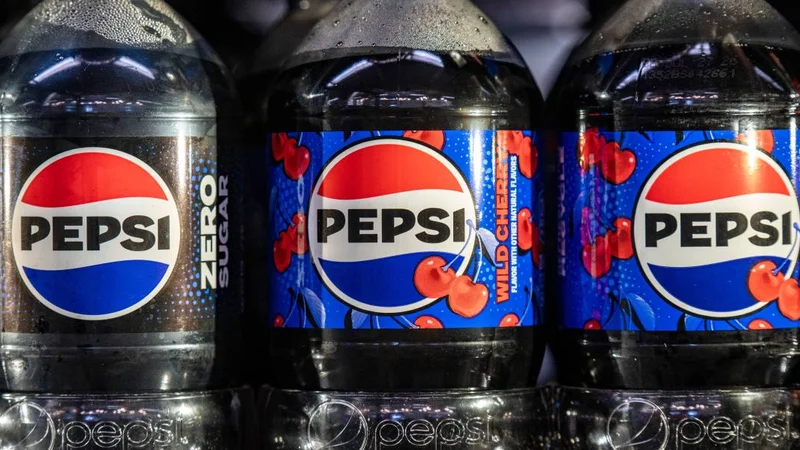
Image: Fortune AI
Main Takeaway
KFC will replace Pepsi with Coca-Cola at 3,700 U.S. restaurants in 2027, intensifying pressure on PepsiCo as its soda business loses ground.
Jump to Key PointsSummary
KFC ends a 40-year partnership
KFC will replace PepsiCo beverages with Coca-Cola products at its U.S. restaurants beginning in January 2027, ending a relationship that began when PepsiCo acquired the chicken chain in 1986. The transition covers about 3,600 to 3,700 locations and is expected to finish by spring, depending on the account. KFC president Catherine Tan-Gillespie described the deal as part of an effort to modernize restaurants and strengthen customer engagement.
PepsiCo spun KFC, Pizza Hut and Taco Bell into Yum! Brands in 1997, but KFC continued serving Pepsi for nearly 3 decades after the separation. The change has limited direct financial significance compared with PepsiCo’s overall business, yet its symbolism is substantial: a former PepsiCo restaurant asset has chosen Coke at a highly visible national scale.
The financial hit stays relatively small
KFC’s defection could reduce PepsiCo’s North American beverage-concentrate sales by about 3%, while Coca-Cola could gain roughly 2.5% in the comparable channel, Bank of America analysts estimated. One estimate put PepsiCo’s annual sales at risk near $500 million, a meaningful amount for the beverage operation but a small slice of the broader company, which also sells snacks and other food products.
The deal applies to KFC’s U.S. restaurants, while more than 1,500 African outlets are outside its scope. That regional distinction limits the immediate reach of the switch and shows why the headline matters more as a brand signal than as a balance-sheet shock. Coca-Cola gains restaurant visibility and fountain volume, while Pepsi loses another anchor account in a market where distribution relationships shape consumer habits.
Pepsi’s cultural advantage has faded
Pepsi built its strongest cola identity through aggressive marketing, the Pepsi Challenge and celebrity campaigns involving figures such as Michael Jackson and Cindy Crawford. The rivalry with Coca-Cola became a defining advertising contest, with Pepsi positioning itself as the younger alternative and Coke relying on heritage, scale and broad cultural recognition.
That playbook delivered attention but did not secure lasting leadership. A comparison of the 2 companies’ sales, profits, brand value and market share concluded that Coca-Cola held the stronger cola position, while historical accounts of the rivalry show how marketing victories often failed to translate into durable category control. Pepsi’s U.S. carbonated-soft-drink share was reported at 8.1% last year, underscoring the pressure facing the namesake brand.
PepsiCo’s portfolio became a strategic burden
PepsiCo generates far more total revenue than Coca-Cola because its portfolio includes Frito-Lay, Quaker and other food businesses. Yet that scale hasn't produced equivalent value in the cola category. One comparison cited by Fortune put PepsiCo’s revenue at roughly twice Coca-Cola’s, while its market capitalization stood at about half of Coca-Cola’s, reflecting investor concerns about growth, margins and strategic focus.
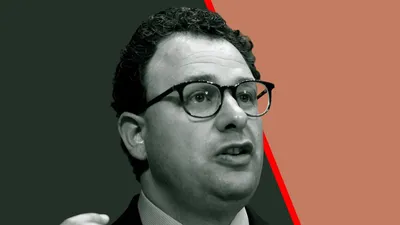
The company’s food strength can cushion weakness in soda, but it also divides management attention. Chief executive Ramon Laguarta acknowledged on PepsiCo’s third-quarter earnings call that the company “we’re not competing well in soft drinks.” His statement turns the KFC switch into part of a broader corporate problem: PepsiCo must repair its core beverage brand while protecting the snack franchises that drive much of its financial performance.
Coke gains a fresh restaurant foothold
Coca-Cola’s gain extends beyond the volume of syrup sold through KFC fountains. Restaurant contracts influence which brand customers see with meals, which products staff recommend and which promotional campaigns reach millions of diners. KFC’s move therefore gives Coke a national platform while placing Pepsi in a weaker position against other fast-food chains that have also reassessed beverage partnerships.
KFC is also fighting for relevance against Chick-fil-A and Popeyes, and its new beverage arrangement forms part of a wider customer-experience push. The company framed Coca-Cola as a partner for modernization rather than as a simple supplier replacement. That positioning gives Coke an opportunity to tie its brand to KFC’s turnaround efforts, although the partnership’s business value will depend on restaurant traffic and execution.
Pepsi’s next test is execution
PepsiCo’s immediate task is to make soda a clearer priority without weakening the diversified portfolio that makes the company financially resilient. The response will involve brand marketing, restaurant distribution, product mix and negotiations with other large food-service customers. Winning back cultural attention alone won't solve a distribution problem, and distribution gains won't matter if consumers continue shifting toward water, energy drinks and other alternatives.
Coca-Cola enters 2027 with a high-profile account and a stronger symbolic position in the long-running rivalry. Pepsi retains substantial scale, recognizable brands and a powerful snack business, so the cola wars aren't ending with one contract. KFC’s decision does, however, mark a visible transfer of momentum and gives PepsiCo’s leadership a concrete test of whether its renewed soda focus can stop the slide.
Key Points
PepsiCo lost KFC’s U.S. beverage business to Coca-Cola after nearly 40 years of partnership.
KFC will switch about 3,700 U.S. restaurants from Pepsi products to Coca-Cola beginning January 2027.
Bank of America estimates the change could cut Pepsi beverage-concentrate sales 3% in North America.
PepsiCo CEO Ramon Laguarta identified weak soft-drink competition as a priority for the company.
Coca-Cola gains national restaurant visibility while PepsiCo confronts weakening cola brand power.
Questions Answered
KFC is switching from Pepsi to Coca-Cola as part of a restaurant modernization and customer-engagement effort. The agreement covers roughly 3,600 to 3,700 U.S. locations and begins in January 2027.
PepsiCo could face about $500 million in annual sales exposure from KFC’s switch, according to one analyst estimate. Bank of America separately estimated a 3% decline in Pepsi beverage-concentrate sales in North America.
PepsiCo owned KFC after acquiring the chain in 1986. PepsiCo spun KFC and its other restaurant businesses into Yum! Brands in 1997, but KFC continued serving Pepsi in the United States.
Coca-Cola holds the stronger cola position in brand value, market share and cola profitability, according to comparative analyses cited in the coverage. KFC’s decision adds another high-profile restaurant account to Coca-Cola’s distribution network.
PepsiCo CEO Ramon Laguarta said the company is not competing well in soft drinks. His comment places soda recovery alongside the company’s broader need to manage its snack and beverage portfolio.
Source Reliability
57% of sources are established · Avg reliability: 54
Go deeper with Organic Intel
Simple AI systems for your life, work, and business. Each one includes copyable prompts, guides, and downloadable resources.
Explore Systems